Category: River Monsters: The Ultimate Guide to Global Catfish, Extreme Angling, and Meat Quality

  • Hooked on a Monster: Advanced Tactics for the Ultimate Swordfish Battle

    Hooked on a Monster: Advanced Tactics for the Ultimate Swordfish Battle

    Advanced Fighting Techniques
    Hooking a swordfish is only 10% of the job; landing it is where the real battle begins. These fish are known for their dirty tactics and incredible endurance.
    The Hookset: If you are using circle hooks, do not jerk the rod to set the hook. Instead, let the line go tight and reel rapidly. This ensures the hook slides to the corner of the fish’s mouth, preventing it from chewing through your leader.
    Managing the First Run: A hooked swordfish will often make a massive, violent run either straight down to the depths or directly up to the surface. Keep steady pressure, but don’t lock down the drag, or the line will snap.
    The Danger Zone (The “Slam”): Swordfish are famous for shaking their heads violently and using their bills to slash at the leader. When you feel this shaking, keep the rod tip high and maintain a smooth, constant bend in the rod to absorb the shock.
    Dealing with Jumps: If the fish breaches the surface and jumps, lower the rod tip slightly (“bow to the king”) to slacken the tension just enough so the fish doesn’t snap the line with its weight when it hits the water.
    The End Game: As the fish gets close to the boat, it will often start circling underneath. Use the boat’s engines to steer away from the fish and keep the line clear of the propellers. Never touch the leader with bare hands—always use heavy-duty fishing gloves.

    How to Rig a Swordfish Squid 

    Squid Rig
    Squid is the ultimate swordfish bait, but it must be rigged perfectly so it doesn’t spin in the current or get torn apart by smaller fish.
    Step 1: Prep the Squid: Choose a large, fresh or high-quality frozen squid (10 to 14 inches long). Clean out the guts carefully, but leave the head and tentacles attached.
    Step 2: Inserting the Hook: Run your heavy-duty stitch needle and leader through the top of the mantle (the tip of the squid’s cone) and slide a large 10/0 or 11/0 hook down inside the body. The hook bend and point should protrude neatly from the bottom near the tentacles.
    Step 3: Securing the Bait (Bridling): Use waxed dental floss or rigging twine to stitch the top of the squid’s mantle tightly around the leader. This prevents water from entering the body and blowing the bait apart while trolling or drifting.
    Step 4: Securing the Head: Run a stitch through the eyes and head of the squid, securing it directly to the hook shank. This ensures the tentacles stream naturally behind the hook and don’t bunch up.
    Step 5: The Finishing Touch (The Skirt): Slide a rubber or plastic “squid skirt” down the leader right over the tip of the squid’s mantle. This protects the bait from water friction and adds extra color or glow to attract the predator.
    💡 Pro Tip: A poorly rigged squid will spin like a propeller in the water, twisting your line into a massive knot and scaring away the swordfish. Always drop the rig next to the boat first to check its action—it should swim completely straight.
  • Mastering the Gladiator: The Ultimate Guide to Swordfish Fishing

    Mastering the Gladiator: The Ultimate Guide to Swordfish Fishing

    What Do Swordfish Eat? (Čime se hrane?)

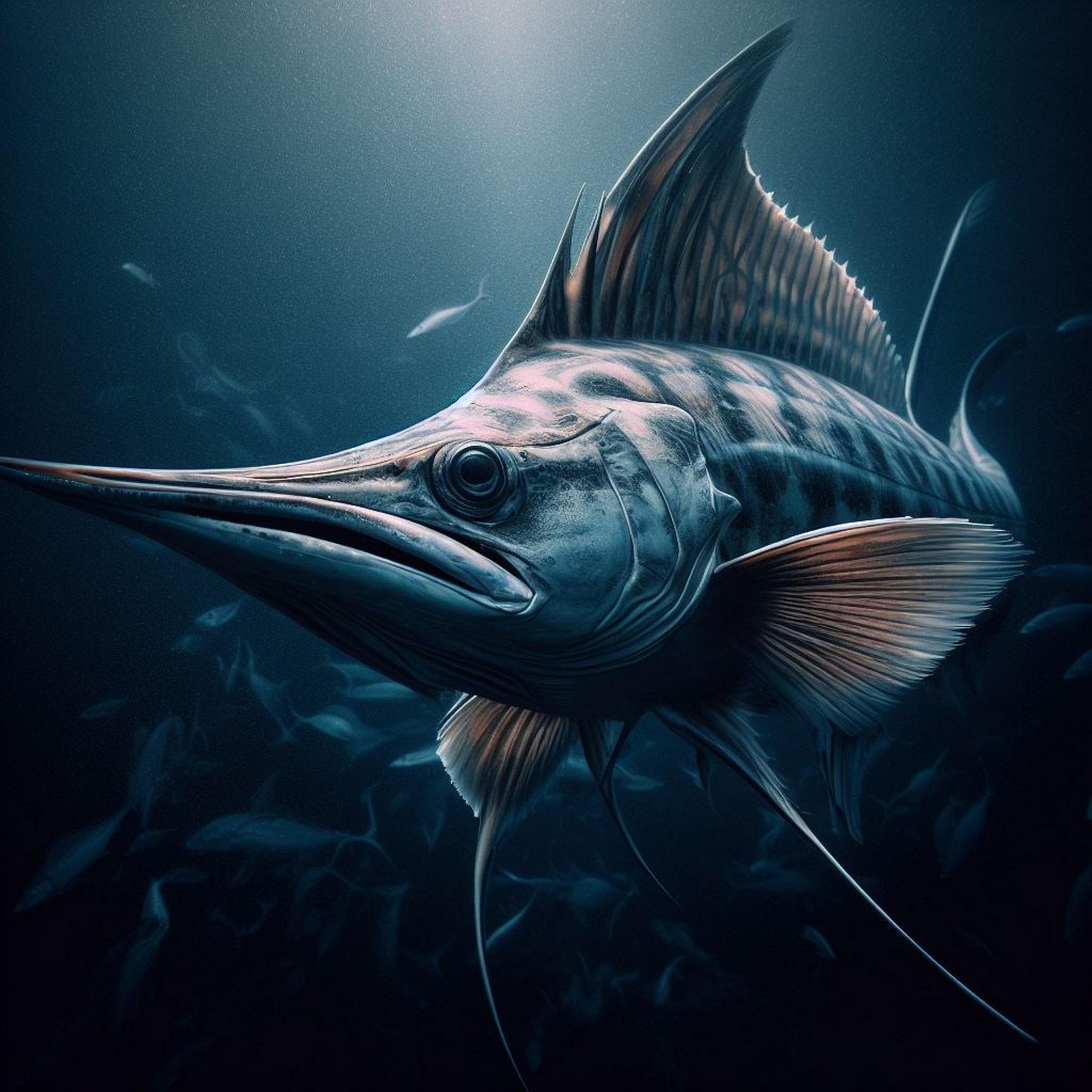
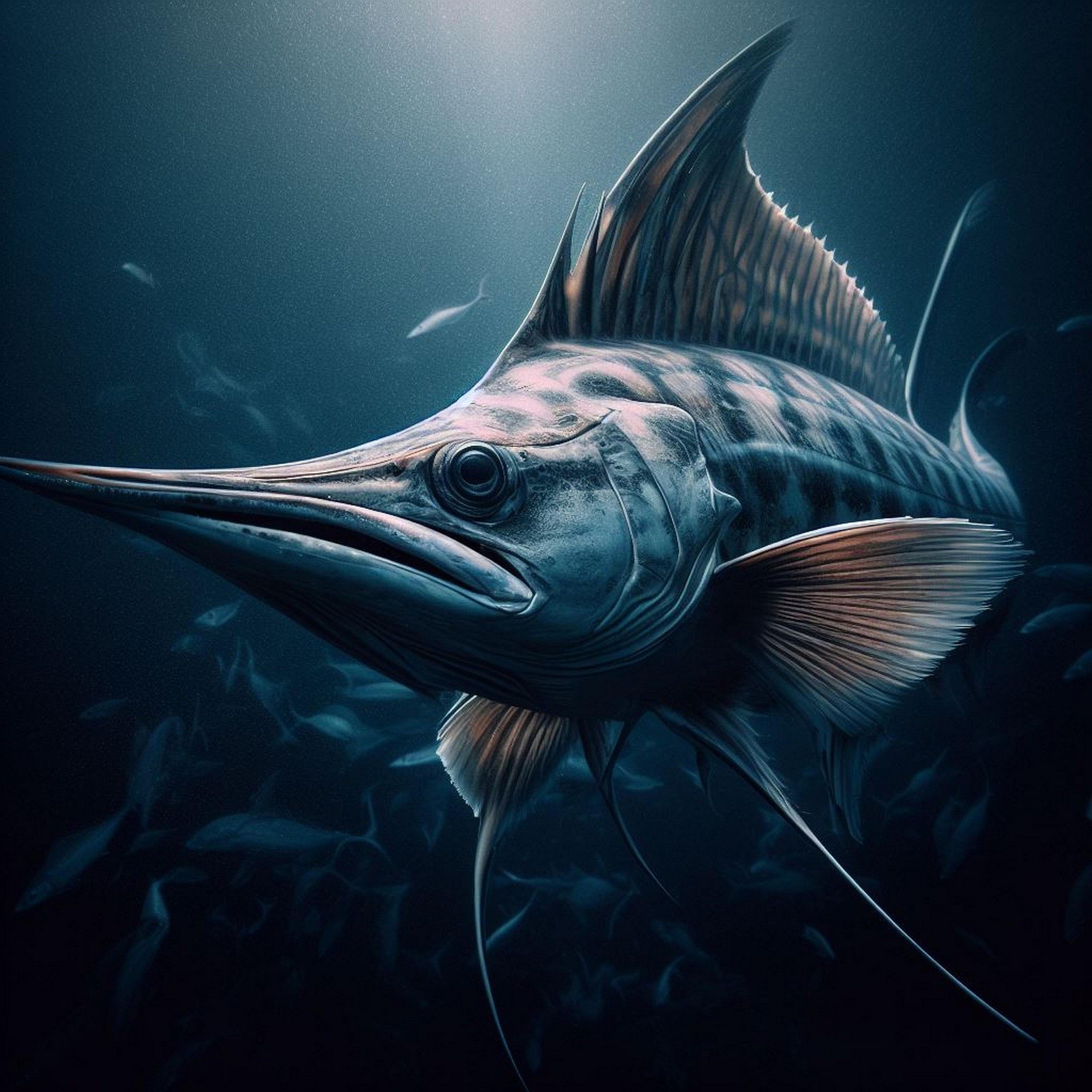
    Swordfish are opportunistic apex predators. Because they can dive to extreme depths and also hunt near the surface, their diet is quite diverse:
    Squid (Lignje): This is their absolute favorite food.
    Fish: They hunt a variety of open-ocean fish, including mackerel, barracuda, silver hake, herring, and bluefish.
    Deep-Sea Prey: They also eat small tuna and even other smaller billfish.
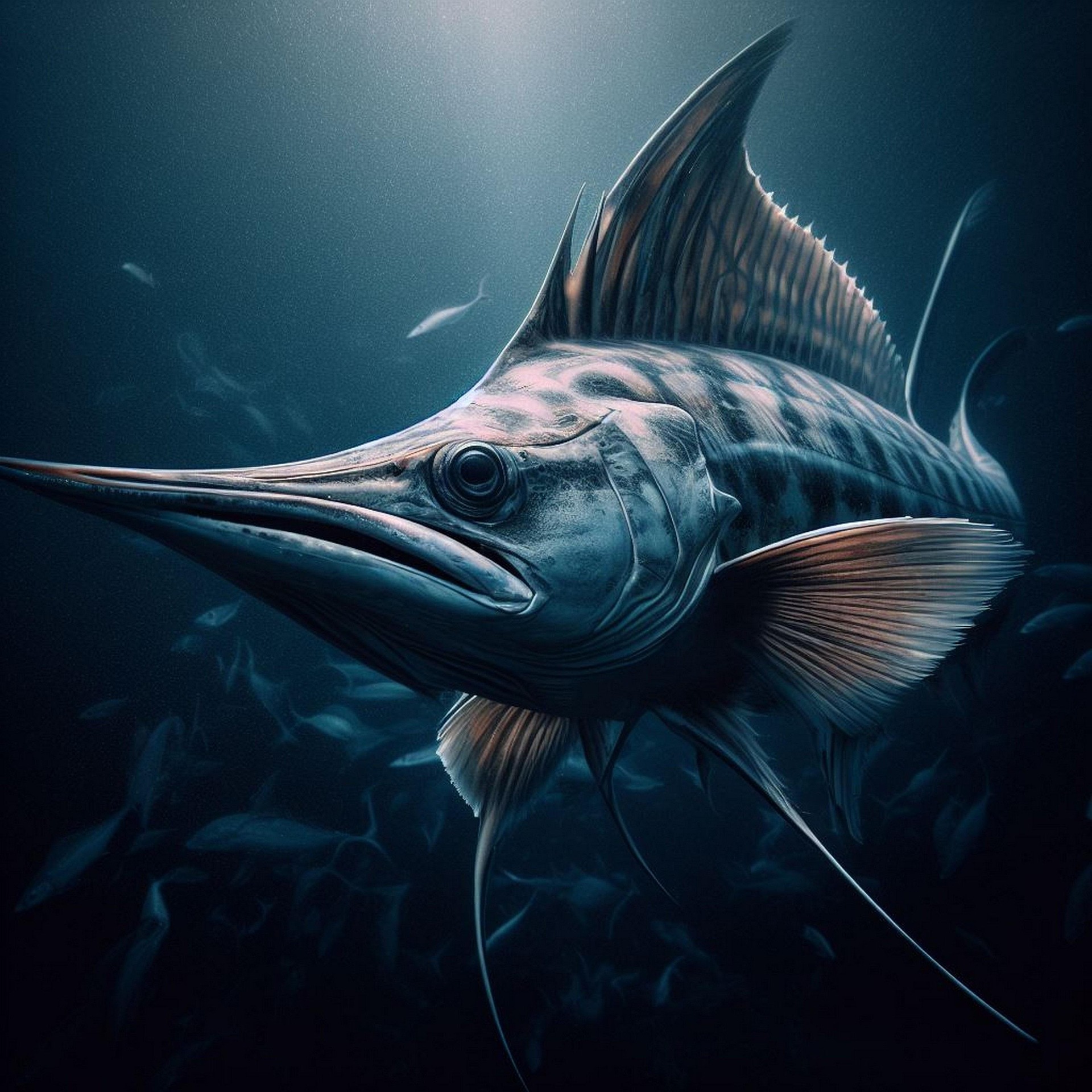
    How they hunt: Unlike sharks, swordfish don’t bite their prey immediately. They use their powerful, sharp bill (sword) to slash at schools of fish or squid, stunning or injuring them before swallowing them whole.

    How Do They Live?
    The Lone Wolves: Swordfish are solitary animals. You will rarely find them traveling in schools.
    Deep Divers: They spend their days in the pitch-black depths of the ocean (down to 2,000feetor more) and migrate to the upper water column at night.
    Biological Superpowers: They are ectothermic (cold-blooded), but they have a special heating organ next to their eyes and brain. This keeps their vision incredibly sharp in the freezing, dark depths, giving them a massive advantage over their prey.
    Keeping Your Catch: Size and Bag Limits
    Florida, Mediteran ili Atlantik
    SAD i Atlantik: Minimalna veličina je 47 inc mereno od vilice do račvanja repa (LJFL – Lower Jaw Fork Length). Sve što je manje od toga se mora pustiti.
    Bag Limit: Usually, it is allowed to keep only 1 fish per person, or a maximum of 4 fish per boat per day.


    The Ultimate Record: The Heaviest Swordfish Ever Caught
    The World Record:  Louis Marron.
    The Catch: 1953.in  Iquiquea (Čile) inposible  1,182 funti !
    The Fight: The battle with this sea monster lasted for nearly two hours, and to this day, the record has never been broken on a regular rod and reel.

    💡 Pro Tip: Patience is key. Swordfish fishing requires hours of waiting, but the thrill of hooking a true “Gladiator” makes every second worth it!

    This section covers the battle and the rigging. If you want to learn about the gear, locations, and day vs. night techniques, check out my separate, dedicated guide: Hooked on a Monster: Advanced Tactics for the Ultimate Swordfish Battle

    Bistro!!!

  • Bluefin Titans: The Ultimate Guide to Catching Monster Tuna in the Adriatic

    Bluefin Titans: The Ultimate Guide to Catching Monster Tuna in the Adriatic

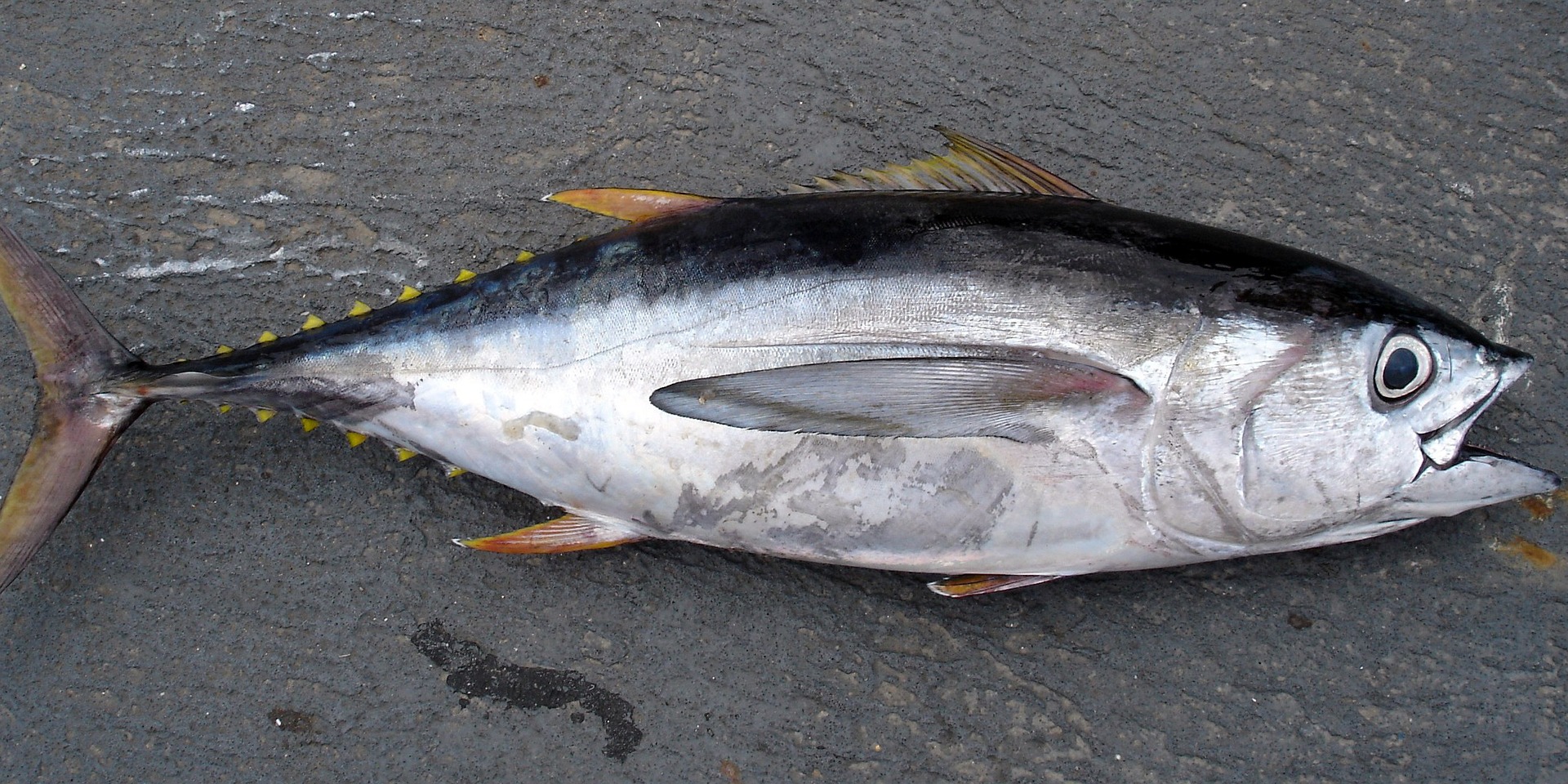
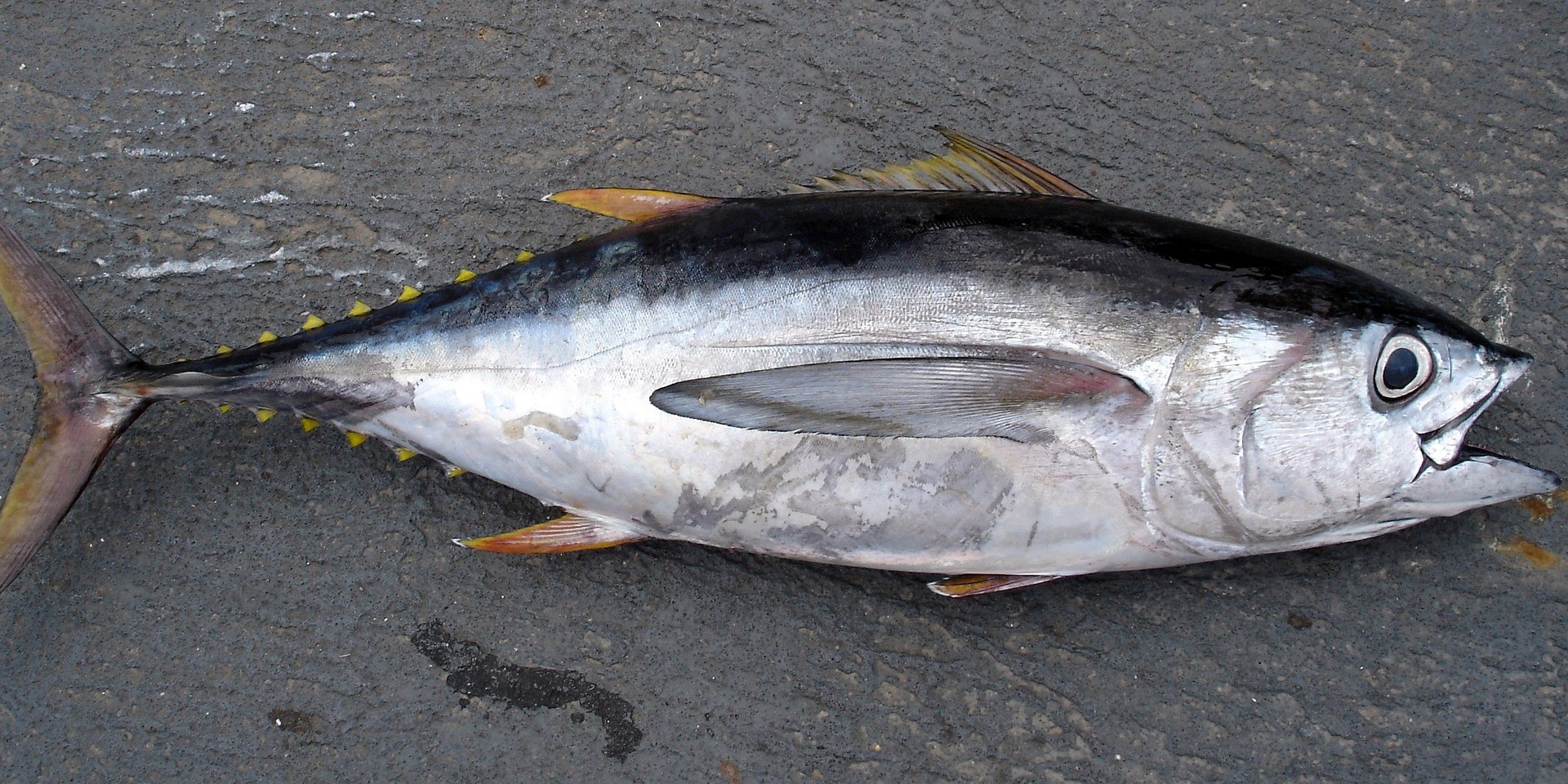
    If swordfish is the “Gladiator of the Sea,” then the Bluefin Tuna is the undisputed heavy-weight champion. It is a biological masterpiece—pure muscle, built like a torpedo, and capable of reaching speeds up to 43 mph (70 km/h).

    For your international audience looking to experience the best of Balkan saltwater fishing, the Adriatic Sea is one of the premier global hotspots for giant Bluefin Tuna. Here is everything you need to know to hook, fight, and land these ocean freight trains.

    Where to Find Them
    While Bluefin Tuna migrate across the Atlantic and Pacific oceans, the Mediterranean and specifically the Adriatic Sea are legendary breeding and feeding grounds.
    The Adriatic Hotspots: The waters off the coast of Istria (Rovinj, Poreč), Middle Dalmatia (Split, Vodice, Jezera on the island of Murter), and down toward Montenegro (Budva, Bar) are world-famous.
    The Terrain: Tuna love deep drop-offs, underwater canyons, and offshore islands where strong currents push baitfish (like sardines and mackerel) against underwater structures.


    Diet and Hunting: What Makes Them Tick?
    Tuna are voracious eaters with incredibly high metabolisms.
    The Diet: They primarily feed on small oily fish—sardines, anchovies, mackerel, and squid.
    The Eyesight: Tuna have exceptional vision. If your leader is too thick or your hook presentation looks unnatural, a big tuna will spot it instantly and skip your bait.


    How to Catch Them: Top Tactics
    To target giant tuna, commercial and sport charters use two main techniques:
    Method A: Drifting and Chumming (Chumming / Chunking)
    This is the most effective and widely used method in the Adriatic.
    The Slick: The boat drifts naturally while you constantly throw chopped pieces of fresh sardines into the water. This creates a kilometers-long scent trail (a “chum slick”) that attracts tuna from miles away.
    The Presentation: You drop 3 to 4 rods at different depths within that chum slick. One bait is placed right inside the floating chunks, usually weighted down subtly.
    The Bait: A whole, fresh sardine or mackerel rigged on a razor-sharp 8/0 to 10/0 circle hook.
    Method B: Trolling (Panula)
    Using heavy offshore rods, you troll artificial lures (like plastic squids, feathers, or deep-diving plugs) or rigged dead baitfish at speeds between 5 to 9 knots. This method covers a massive amount of water to locate active schools.


    Heavy Artillery Gear
    Do not bring light tackle to a tuna fight. You need industrial-grade equipment:
    Rods: 50-to-130-lb class heavy-duty trolling rods with roller guides.
    Reels: Massive conventional reels (like Shimano Tiagra 50W or 80W, or Penn International) with top-tier drag systems.
    Line: 80-to-130-lb braided line or high-vis monofilament, tipped with a stealthy, high-grade fluorocarbon leader (100-to-150-lb test) to fool their sharp eyes.

    The Ultimate World Record
    The Monster: The official IGFA all-tackle world record for an Atlantic Bluefin Tuna is mind-boggling.
    The Catch: On October 26, 1979, an angler named Ken Fraser caught a giant Bluefin in Aulds Cove, Nova Scotia, Canada.
    The Weight: The beast weighed an incredible 1,496 pounds (exactly 678.5 kilograms)!
    The Fight: Remarkably, Fraser managed to bring this absolute titan to the boat in just 45 minutes, a legendary feat of angling strength and skill.

    The “Something Extra”: A Forgotten Tuna Secret (Seti se još nečega)
    Here is a massive insider tip for your blog that many beginner anglers forget: Watch the birds and the dolphins.
    🌊 The Indicator Strategy: In the Adriatic, you are not just looking at your sonar/fishfinder. You must scan the horizon with binoculars. Look for flocks of seagulls and terns diving violently into the water.
    Below those birds, dolphins or smaller predators are pushing schools of sardines up to the surface. Where there is a massive bait ball panic, giant Bluefin Tuna are almost always underneath it, blasting through the middle like missiles. If you see birds diving, steer your boat toward the action immediately, shut down the engines, and start chunking.


    💡 Pro Tip: When a giant tuna hits your bait, it doesn’t just bite—it explodes. The initial run can strip 300 yards of line off your reel in a blink of an eye. Keep your cool, let the drag work, and never underestimate their stamina!

  • Kako pročitati vodu: Školski znaci da je krupan som u lovu na Tisi

    Kako pročitati vodu: Školski znaci da je krupan som u lovu na Tisi

    Iako ovi znaci mogu važiti i za druge velike reke, Tisa ima svoja specifična pravila. Kada na našoj lepotici zavlada prividni mir, a temperatura vode dostigne idealnih 20 stepeni, njeno karakteristično muljevito dno i specifične mikro-lokacije, poput starih pontona i skrivenih limana, postaju poprište ozbiljne akcije. Som je ovde apsolutni gospodar dubina, a kada krene u lov, iza sebe ostavlja tragove koje iskusno oko ribolovca na Tisi može nepogrešivo da dešifruje.


    Evo kako da povežeš jedinstveno ponašanje tiske vode, mehuriće, krugove i paničan beg ribica u jasan znak da je “brka” aktivan.


    Prvi znak: Pokretni mehurići na površini (Čišćenje terena)
    Za razliku od statičnih balona prirodnog gasa koji izbijaju na jednom mestu usled truljenja mulja, mehurići koje pokreće som imaju svoju dinamiku:
    Kako nastaju: Kada krupan som krene da se pomera sa svog ležaja ili pretražuje dno blizu pontona i prepreka, on svojom masom i repom bukvalno “ore” kroz naslage mulja.
    Ključni dokaz: Ti mehurići se pojavljuju u liniji ili se odjednom pomere nekoliko metara u stranu. To je znak da riba pliva nisko i podiže zarobljeni gas iz rečnog korita dok se kreće ka svojoj zoni lova.


    Drugi znak: Paničan beg ribica (Formiranje zone napada)
    Sledeća faza koja najavljuje akciju jeste naglo komešanje sitne ribe.
    Kako prepoznati: Kederi i bela riba imaju savršeno bočno čulo i prvi osete vibraciju krupnog predatora koji im se približava.
    Ponašanje: Ako vidiš da na površini, par metara ispred mesta gde su izbili mehurići, ribice odjednom počnu panično da beže i “pršte” po vodi, to nije uobičajeno igranje sitne ribe. To je jasan znak da ispred sebe guraju talas straha jer im je som za petama.
    Treći znak: Koncentrični okrugli talas (Snažan udarac – Raub)
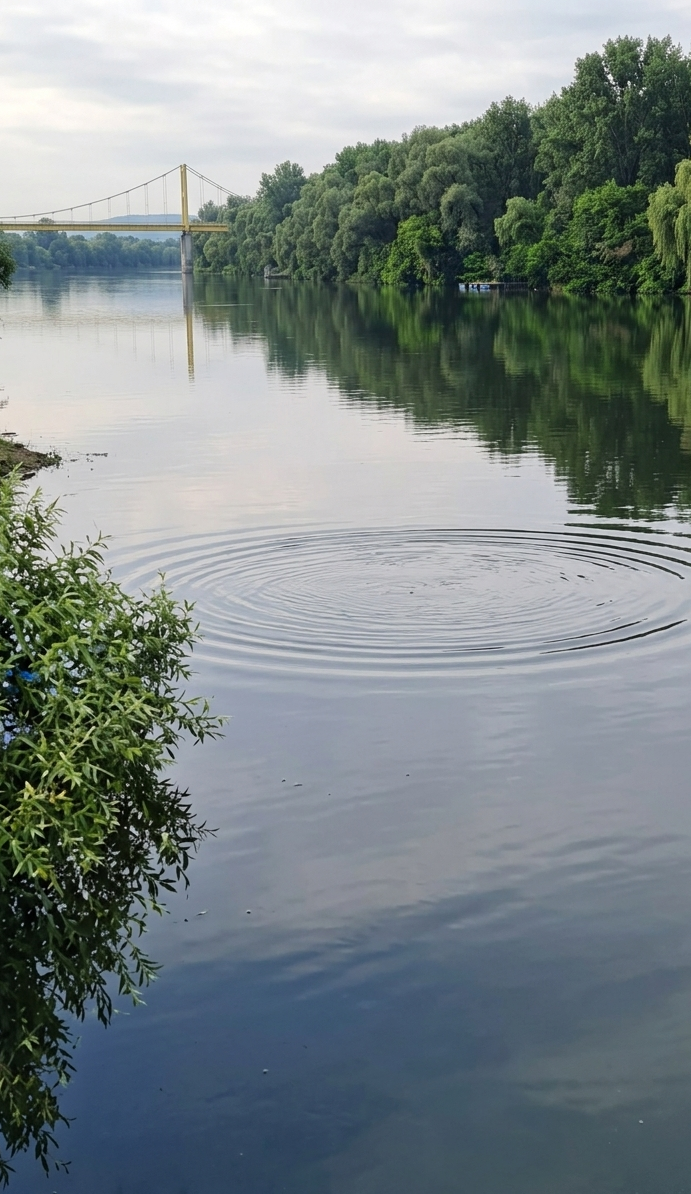
    Krunski dokaz da je som na lokaciji i da je završio svoj napad jeste veliki, pravilni okrugli vrtlog na površini vode


    Anatomija talasa: Kada som locira jato, on se silovito podiže, otvara svoja ogromna usta stvarajući potisak koji guta sve ispred sebe, a zatim pravi oštar zaokret repom nazad ka dubini.
    Rezultat: Taj manevar na površini ostavlja masivan, okrugli talas koji se širi u koncentričnim krugovima. To je potpis krupnog soma koji je upravo izveo uspešan ili neuspešan napad na belu ribu.


    Četvrti znak: Zatišje i mirna voda (Vreme za akciju)
    Nakon eksplozije i formiranja velikog kruga, voda odjednom postaje potpuno mirna.
    Šta se dešava dole: To nije znak da je riba otišla. Preživela bela riba se u šoku “zakucala” za dno ili pobegla pod pontone i čeka da opasnost prođe. Som je spustio nivo svog kretanja, ali je i dalje tu, ohrabren prisustvom hrane.
    Taktika za ribolovca: Na temperaturi vode od 20 stepeni, metabolizam soma je u vrhuncu. Kada se voda primiri nakon ovakvog scenarija, to je idealan trenutak da se na tu “vruću tačku” (par metara desno ili levo od viđenog talasa) spusti krupan mamac – snop ritskih glista, durdubak ili živ keder. On je tu, gladan je i traži sledeću metu.

    Bistro!!!

  • Moćni Đerdap: Spoj divljeg ribolova, drevnih statua i krstarenja Dunavom

    Moćni Đerdap: Spoj divljeg ribolova, drevnih statua i krstarenja Dunavom

    Kada neko pomene Đerdapsku klisuru, većina ljudi prvo pomisli na prelepe vidikovce, krstarenje Dunavom i monumentalnu statuu kralja Decebala koja prkosi vremenu uklesana u steni. I sve je to tačno – Đerdap jeste turistički biser Evrope. Ali za nas koji živimo za zvuk kočnice na mašinici i trzaj na vrhu štapa, Đerdap je nešto sasvim drugo.

    To je najmoćnija, najdublja i najnepredvidivija pecaroška voda u Srbiji. Mesto gde se turizam i istorija savršeno preklapaju sa surovim, divljim ribolovom na kojem se lome i pribor i muški karakteri.

    Gde se spajaju istorija i dubina: Šta videti sa vode

    Ono što Đerdap čini jedinstvenim jeste osećaj kada ploviš čamcem ili pecaš sa obale, a pred očima ti se smenjuju prizori od kojih zastaje dah:

    Statua kralja Decebala: Ogromna klesana skulptura na rumunskoj strani (visoka preko 40 metara) dominira Malim Kazanom. Izgleda nestvarno, a ribolovcima je odličan orijentir jer se u njenoj blizini Dunav naglo sužava i krije ozbiljne dubine.

    Trajanova tabla: Nalazi se na našoj strani, uklesana u liticu tik iznad same površine vode. Može joj se prići samo sa reke, pa dok je posmatraš iz čamca, svestan si da prolaziš putevima kojima su rimski carevi išli pre dve hiljade godina.

    Golubačka tvrđava: Ova kamena lepotica sa devet kula stoji na samom ulazu u klisuru, na mestu gde je Dunav širok skoro 6 kilometara i više liči na more nego na reku.

    Savet za putovanje: Spoj lepo i korisno

    Ako planiraš dolazak na Đerdap, najbolja opcija je da spojiš aktivan odmor i uživanje u prirodi. Sredinu dana, kada riba miruje, iskoristi za turizam: obiđi tvrđavu, prošetaj do vidikovaca na Miroču odakle se klisura vidi kao na dlanu, ili sedi u neki od lokalnih restorana u Tekiji ili Kladovu na čuvenu đerdapsku riblju čorbu i vlaški sir.

    U sledećem tekstu prelazimo na ono pravo detaljno analiziramo carstvo dubina, potopljene šume i taktike za đerdapske somove i smuđeve!

  • The Global Catfish Phenomenon: Giants of the World’s Rivers, Extreme Fishing, and Culinary Value

    Catfish are among the most successful, diverse, and widespread predators on the planet. Found on every continent except Antarctica, these whiskers-bearing giants adapt to almost any environment—from mud-bottomed ponds to roaring river channels.
    Whether it is the high-tech boat angling of Europe, the extreme hand-fishing of America, or the massive river monsters of Asia, catfish command respect worldwide.

    1. Global Distribution: Where Do the Giants Live?
      The catfish family (Siluriformes) includes over 3,000 species, but three regions stand out for producing true river monsters:

    •Europe (The Danube, Ebro, and Po Rivers): Home to the legendary Wels Catfish (Silurus glanis). This is Europe’s largest freshwater predator, thriving from Germany and France down to Spain, Italy, and the Balkan Peninsula (Dunav, Tisa, Sava).


    •North America (The Mississippi and Missouri Basins): Dominated by the Blue Catfish and the predatory Flathead Catfish, which love heavy timber and deep river bends.


    •South America (The Amazon and Orinoco Basins): Home to the incredibly powerful Piraíba (Lau-Lau) and Redtail Catfish. These fish patrol the massive, fast-flowing currents of the rainforest.


    •Asia (The Mekong River Basin): Home to the Mekong Giant Catfish, one of the largest strictly freshwater fish species in the world, adapted to the massive depths of Southeast Asia.

    1. World Records: The Heaviest Catches
      Different species reach mind-boggling sizes across the globe:

    SpeciesRegionRecord WeightFeature
    Mekong Giant CatfishSoutheastAsia646 lbs (293 kg)The absolute heaviest freshwater catfish ever recorded.
    •Wels CatfishEurope (Po River, Italy)281 lbs (127.5 kg)The European record, measuring over 2.85 meters.
    •Blue CatfishNorth America (Virginia)143 lbs (65 kg)

    •The North American heavy-tackle record.
    PiraíbaSouth America (Amazon)341 lbs (155 kg)The apex predator of the Amazonian currents.

    1. Diet: What Do Global Catfish Eat?
      While smaller species are scavengers, giant catfish are highly efficient apex predators:

    Fish and Crustaceans: The bulk of their diet consists of local fish (carp, bream, shad) and large crayfish or crabs.
    Terrestrial Prey: Large Wels catfish in Europe are famous for targeting pigeons and waterbirds at the river’s edge, launching themselves out of the water like killer whales.
    Mammals: Giant Amazonian and European catfish easily swallow rodents, muskrats, and any small mammal unfortunate enough to fall into the current.
    Scent and Vibration: They rely heavily on their whiskers (barbels) and a highly sensitive lateral line to detect vibrations and chemical trails in pitch-black or muddy water.

    1. Extreme Angling Methods
      The diversity of catfish has birthed diverse, adrenaline-pumping fishing styles across the globe.
      A. Rod and Reel: From Bank and Boat (Na štap sa obale i čamca)
      The Heavy Gear: Targeting global giants requires saltwater-grade tackle: stiff 2.4-3.0\text{ m} composite rods, massive spinning or multiplier reels, and 80 to 150 lb braided lines with thick steel, monofilament, or Kevlar leaders.
      Bank Fishing: Popular worldwide. Anglers use heavy lead weights (100–300g) to anchor large baits—like a 1 kg live carp, a bunch of nightcrawlers, or squid—directly on the river bed.
      The Circle Hook Revolution: Originally from commercial sea fishing, Circle Hooks (sizes 8/0 to 12/0) are now used globally. They prevent deep hooking, sliding perfectly into the corner of the fish’s mouth as it pulls away against the rod’s tension.
      Clonk Fishing : A traditional European method where anglers drift in a boat and use a wooden or plastic tool called a clonk to strike the water surface. The distinct “popping” sound mimics feeding catfish or air bubbles, drawing giants up from deep holes directly to suspended baits.

    B. Noodling: Hand-Fishing
    An extreme, traditional method popularized in the Southern United States (Oklahoma, Mississippi, Texas).
    During the summer spawning season, anglers dive underwater completely unarmed and slide their bare hands into hollow logs or mud caves where massive Flathead catfish guard their nests. The fish bites the angler’s hand out of aggression, allowing the “noodler” to grip its lower jaw and wrestle the 20-40 kg giant to the surface.

    1. Meat Quality: Flavor and Texture
      Catfish meat is highly valued in traditional cuisines globally, though its profile changes drastically between wild and farmed fish.
      Texture: Wild catfish meat is moist, firm, and flaky when cooked. Unlike the dense, chicken-like meat of the alligator gar, catfish offers classic, tender fish flakes.
      Wild Predators: Species like the Flathead (USA) or moderately sized Wels (Europe) have a very clean, sweet, and white meat because they feed primarily on live prey.
      TheMuddyFactor: Older, massive bottom-dwelling giants can sometimes develop an earthy or muddy taste if caught in stagnant, muddy waters.
      Global Culinary Styles:
      USA: Coated in seasoned cornmeal (kukuruzno brašno) and deep-fried into crispy strips.
      Europe / Balkans: Prepared as a rich, spicy fish stew  or cut into thick steaks, marinated in garlic and lemon, and grilled or fried.
      Asia: Grilled over charcoal with heavy soy and chili glazes, or used in highly aromatic curries.
    1. Nutritional Profile: Clean Energy and High Protein
      Wild catfish is a nutritional powerhouse, making it an excellent fuel source for active lifestyles and muscle recovery.
      Macronutrient Profile (Per 100g of raw fillet):
      Protein: 18g to 19g of highly bioavailable, complete protein containing all essential amino acids.
      Fat: ~4g–5g (Very low in bad saturated fats, but highly rich in Omega-3 and Omega-6 fatty acids which lower inflammation and protect heart health).
      Calories: ~130 kcal.
      Vitamins & Minerals: Exceptional source of Vitamin B12 (essential for brain function and energy production), Vitamin D, selenium, and potassium

    ⚠️ Sustainability Tip: For the best taste and health profile, anglers prefer harvesting fish in the 3 to 10 kg range. The ancient, triple-digit river monsters are typically full of tough meat and can accumulate higher levels of environmental contaminants due to their long lifespans—making them far better suited for a quick photo and a safe release back into the current.

    Bistro!!!