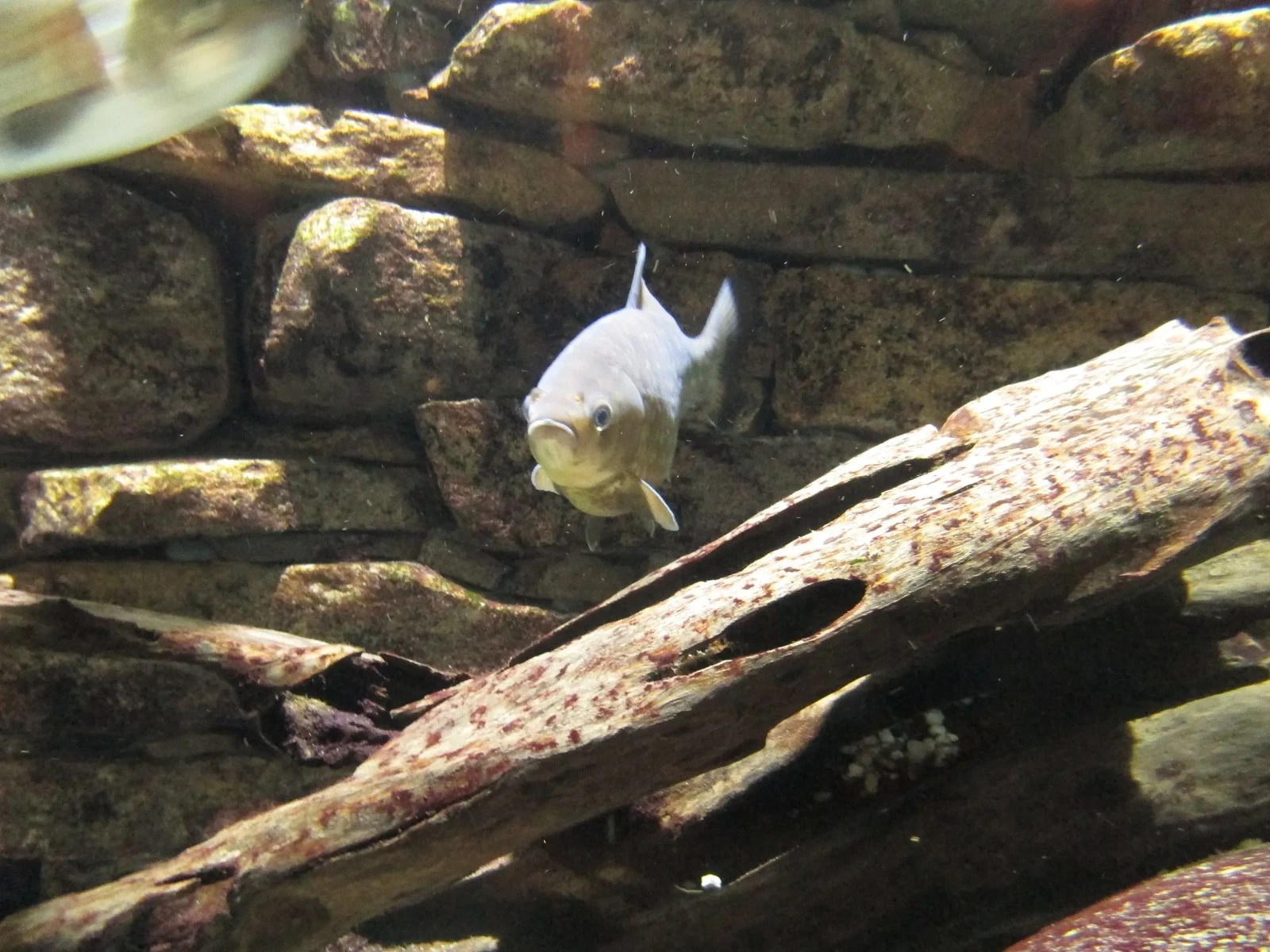
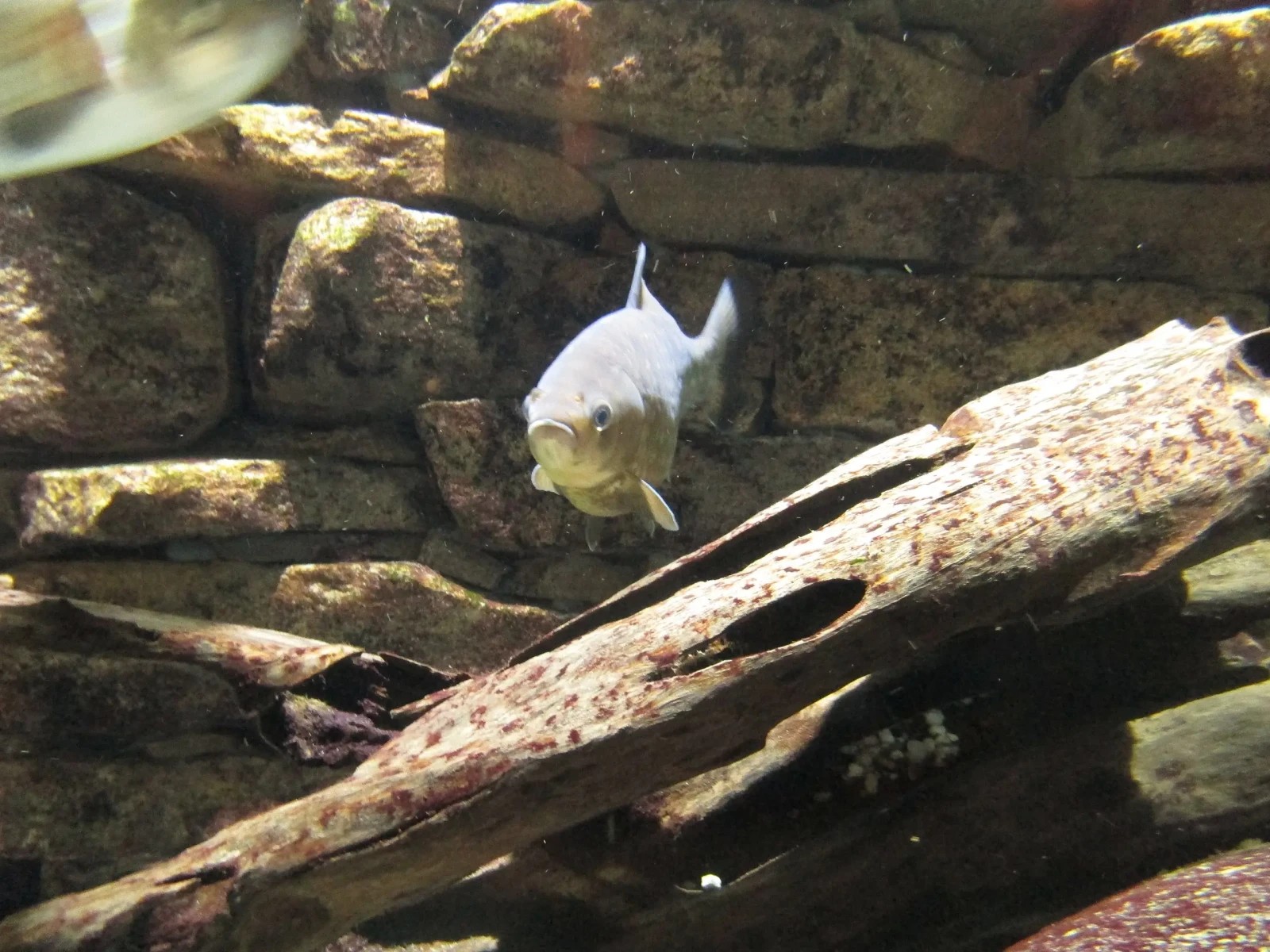
Catching silverfish (whitefish/coarse fish) like roach, bream, and silver bream on a wild, moving river is a dynamic and rewarding discipline. Unlike fishing in still waters, river fishing requires you to constantly battle the current, read the water column, and master the mechanics of your groundbait.
To build a massive haul of river silverfish, you must select the right spot, prepare a groundbait that stays exactly where you want it, and adapt your technique to the river’s flow.
1. Swim Selection: Reading the River
On a wild river, silverfish look for spots that offer two things: safety from predators and an effortless supply of food brought down by the current. Look for these key areas:
The Inside of River Bends: The current naturally slows down on the inside of a bend, causing food particles to settle. This is a prime holding area for large schools of bream and roach.
The Crease Line (Current Edges): Look for the boundary where fast water meets slow water, often found behind bridge pillars, fallen trees, or stone groynes. Silverfish will sit in the slow water, waiting to dart out into the fast current to grab passing food.
The Deep Sacks: Deep, slow-moving pools at the end of a gravel shallow are classic spots where river fish gather to rest and feed, especially during colder days or when the river is rising.
2. Groundbait Mechanics: The Art of Binding and Weighting
The biggest mistake river anglers make is using groundbait that washes away immediately. On a river, your bait must form a compact carpet on the riverbed directly in front of your hook.
How to Mix and Bind River Groundbait
The Base: Use a heavy, active river groundbait formula containing crushed hemp, sweet biscuit, and breadcrumbs.
The Binder (Lepljenje): To stop the current from instantly tearing your bait balls apart, you must bind the mix. Use additives like PV1, collant (sweet binder), or heavy specialized river clays. The goal is to create dense, heavy balls that sink straight to the bottom and break apart slowly over 15 to 30 minutes.
Adding Weight: For strong currents, mixing heavy river gravel (lepljena zemlja/river gravel) into your groundbait is essential. The stones keep the mix pinned to the riverbed, ensuring the current only carries away the small food particles, creating a perfect scent trail leading straight to your hook.
Live Bait Integration: Always lock plenty of live bait inside your compressed balls—maggots, casters, and chopped worms are crucial for keeping larger river fish from leaving the swim.
3. Top River Techniques: Float vs. Feeder
Depending on the river’s depth and speed, two main techniques dominate wild water silverfish angling.
A. The Float Approach (Bolo or Whip)
The Setup: Using a long Bolognese rod or a heavy-duty whip allows you to control the line and run the float at the exact speed of the current.
Float Selection: Use a pear-shaped or teardrop-shaped float with a thick antenna that can handle turbulent water without sinking.
The Rig: Bulk your lead weights (sinkers) around the middle of the line to get the bait down fast, leaving a few tiny dropper shots near the hook link for a natural presentation as the bait sweeps over the bottom.
B. The Feeder Approach (Cage and River Feeders)
The Setup: A heavy-duty feeder rod with a sensitive quiver tip is perfect for long-distance river fishing or dealing with strong flows.
Feeder Selection: Use claw feeders, heavy triangle cage feeders, or solid plastic blockend feeders (60g to 120g+) that lock onto the bottom and resist the current.
The Hooklength: Use long fluorocarbon hooklengths (50cm to 100cm). A longer line allows your hook bait to flutter naturally in the current just behind the heavy feeder, which naturally triggers aggressive bites from cautious fish.
4. Tactics for Maximizing the Catch
Feed Constantly: River silverfish are highly competitive. If you stop feeding, the school will quickly move upstream or downstream looking for the source of the food trail. Throw a small, hard ball of groundbait or cast your feeder every 3 to 5 minutes.
Change Bait Size for Bigger Fish: If small bleak or tiny roach are stealing your maggots on the drop, switch your hook bait to a bunch of dead maggots, a large piece of sweetcorn, or a cocktail of worm and corn to bypass the small fish and target the bigger bream waiting on the bottom.