
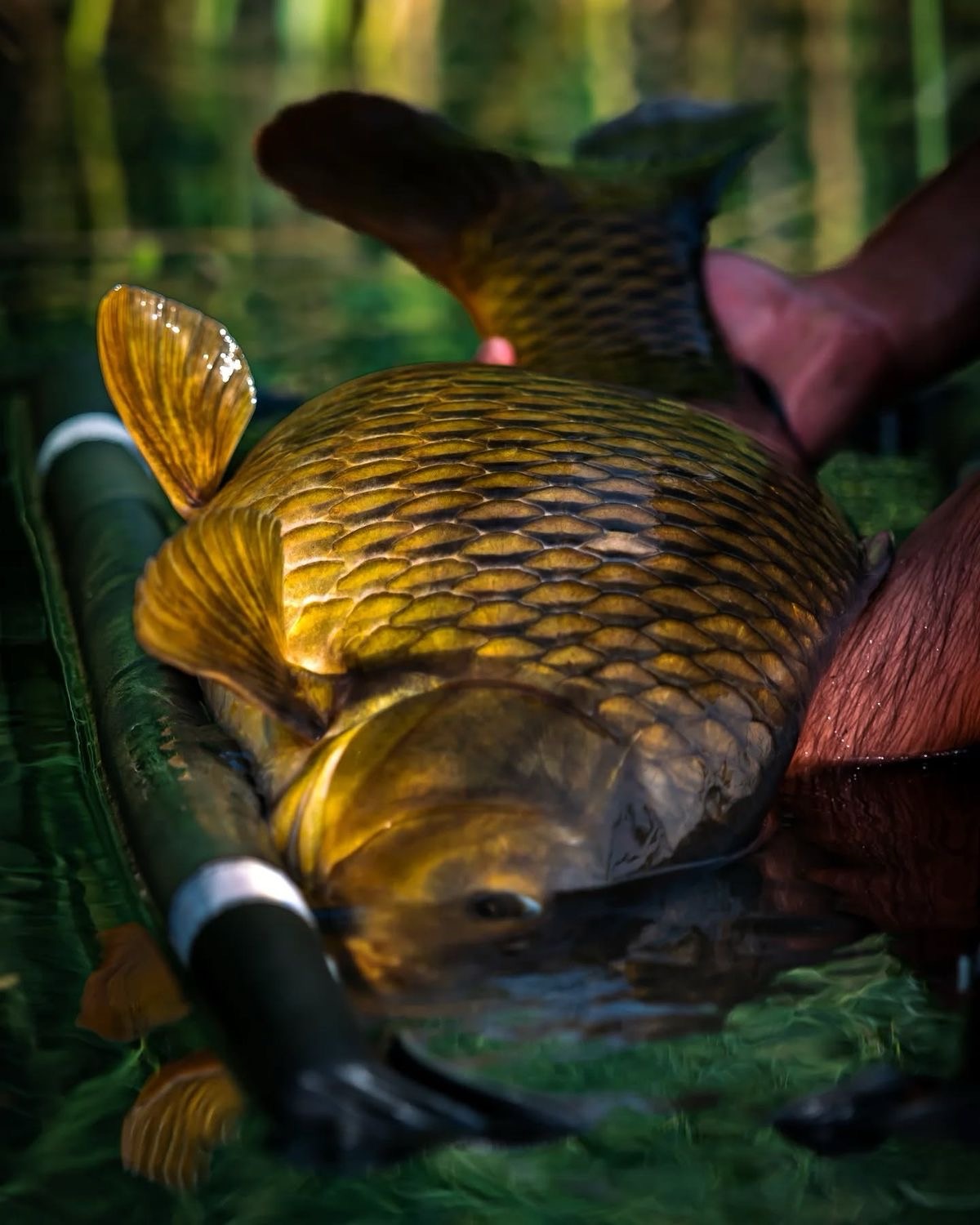
Catching a common carp (Cyprinus carpio) is one of the most rewarding challenges in freshwater angling. Known worldwide for their incredible power, stamina, and surprising intelligence, these fish require a tactical approach. To consistently land them, you must understand the right techniques and know exactly how to feed them.
Here is a breakdown of the world’s most effective carp fishing techniques and bait setups used by top specimen anglers globally.
Top Global Carp Fishing Techniques
Depending on the venue—whether it is a fast-flowing Balkan river like the Danube, a massive French reservoir, or a heavily pressured UK syndicate lake—your choice of technique will determine your success.
The Classic Hair Rig (Specimen Bolt Rig)
This is the undisputed king of modern carp fishing worldwide. Carp are incredibly cautious; if they feel a bare hook in their mouth, they will instantly spit it out.
-How it works: The bait is not put directly on the hook. Instead, it sits on a small piece of line (the “hair”) just below the hook, leaving the hook completely exposed. When the carp vacuums up the bait and tries to blow it out, the bare hook catches on its bottom lip.
-The Lead System: This is paired with a heavy lead (usually 2.5 to 4 oz). When the fish shakes its head, the weight of the lead drives the hook home automatically (the “bolt” effect).
Method Feeder Fishing
Originating in the UK match fishing scene, the Method Feeder has exploded in global popularity because it is incredibly efficient for high-action days.
How it works: A specialized flat-sided feeder is packed tightly with damp groundbait or micro-pellets. Your hook bait (usually a small mini-boilie or bright dummy corn) is tucked directly into the bait mix on the feeder.
Why it kills: It creates a highly concentrated, irresistible pile of food on the lake bed with your hook bait sitting right in the center of it. A passing carp cannot resist taking a massive gulp.
Surface / Floater Fishing
When the summer heat drives carp to bask right under the surface, bottom fishing becomes useless. This is when surface fishing shines.
How it works: Anglers use specialized floating controllers (surface floats) and free-line floating baits like dog biscuits, crusty bread, or floating pellets.
The Thrill: You have to actively stalk the fish, cast ahead of its cruising path, and watch the carp break the surface to engulf your bait. It requires absolute stealth and visual precision.
The Ultimate Carp Bait Guide
Carp are highly driven by nutrition, scent profiles, and amino acids. To catch them consistently, your bait needs to appeal to their senses.
Standard Match Baits
Boilies: The ultimate global standard. These are boiled paste balls made from fishmeals, milk proteins, and bird foods, loaded with flavors (like Scopex, squid, or plum). They come as Bottom Baits (sit on the bed) or Pop-Ups (buoyant baits that hover just above the lake bed or weed lines).
Sweetcorn & Maize: The universal carp magnet. The bright yellow color provides a massive visual trigger, and the natural sugars drive carp crazy. It is cheap, highly effective, and works on every water on earth.
Pellets: High-protein oil pellets (like Halibut or Trout pellets) break down slowly in the water, sending out a massive scent trail that draws shoals from deep water.
Natural Predators on the Silt
Earthworms & Maggots: When waters are cold or fish are highly pressured, natural live bait is unbeatable. A big bunch of wriggling earthworms or a “medusa” rig of maggots offers natural movement and an undeniable amino-acid profile that carp instinctively trust.
Particle Attractants
Hemp Seed: Boiled hemp seed releases intense natural oils. Because the tiny black seeds with white shoots look and crunch exactly like tiny freshwater snails, carp will lock onto a bed of hemp and feed aggressively for hours, losing all caution.
Tiger Nuts: A crunchy, naturally sweet nut that carp find highly addictive. They are incredibly resilient, meaning smaller nuisance fish (like roach or bream) cannot destroy them, making them perfect for targeting only the biggest carp.
Advanced Tactical Tips for Success
Pre-Baiting (The Long Game): If you are fishing wild rivers or large lakes, introducing bait (maize, boilies, and hemp) to a specific spot 2 to 3 days before you actually fish introduces the carp to your food source. Once they feel safe feeding there, catching them becomes twice as easy.
Match the Hatch: Always try to make your hook bait look like your free offerings. If you feed the swim with 15mm krill boilies, use a 15mm krill boilie on your hair rig.
The “Reset” Rule: Carp are notorious for picking up baits and dropping them without registering a full run on your bite alarms. If your rig has been sitting in the water for hours after experiencing light taps or “line bites,” reel it in, check your hook sharpness, and reset your
Leave a Reply