Category: ultimate tips for fishing

  • Crawfish Trapping Secret: How to Catch Ultimate Live Bait and Delicacies

    Crawfish Trapping Secret: How to Catch Ultimate Live Bait and Delicacies

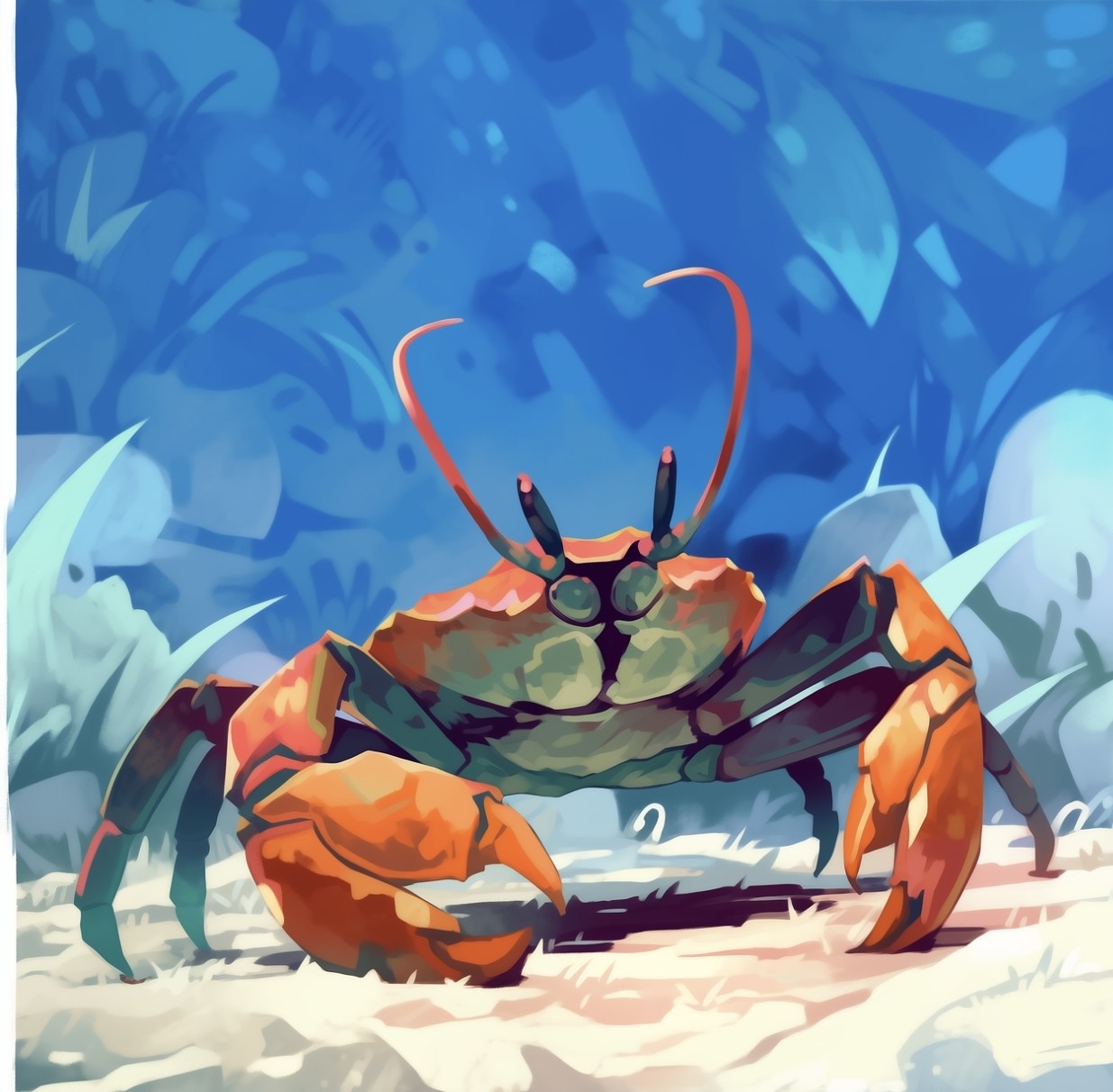
    Whether you want to harvest a delicious freshwater feast or catch the absolute best live bait for monster wels catfish, trapping crawfish (crayfish) is a bulletproof method. Crawfish are aggressive scavengers with an incredible sense of smell, but they are also cautious. If you don’t know how to set your trap and rig your bait, you’ll end up with an empty cage.
    Here is the complete guide to mastering the crawfish trap.

    Choosing the Right Trap
    To catch crawfish efficiently, you need a specialized mesh trap (often called a pot or creel).
    The Design: The best traps are cylindrical or accordion-style mesh cages with cone-shaped entry funnels on both ends. The crawfish easily crawl inside following the scent trail, but because the inner opening is narrow and suspended, they cannot find their way out.
    Mesh Size: If you are targeting larger crawfish for cooking, choose a wider mesh so the tiny ones can escape. If you need small to medium ones as live bait for catfish, use a tight, fine-mesh trap.

    The Best Bait: Fresh and Bloody Beats “Rotten”
    There is a common myth that crawfish only eat rotten, stinking meat. In reality, fresh bait with a strong, bloody scent works twice as fast.
    Fresh Baitfish: Cut a fresh roach, bream, or mackerel in half. Crushing the fish slightly allows the blood and natural oils to disperse rapidly in the current.
    Chicken Necks and Liver: Chicken parts are highly effective and cheap. Because chicken liver is soft and crawfish can tear it apart quickly through the mesh, put the liver inside an old nylon stocking before placing it in the trap.
    The Pro Secret: Toss a crushed clove of garlic into the trap along with your meat. Garlic acts as a massive scent enhancer underwater, drawing crawfish from long distances.

    Location and Strategic Placement
    Crawfish hate clean, open, sandy bottoms because it makes them easy targets for predators like catfish, pike, and bass.
    The Structure: Drop your traps close to the shoreline around sunken logs, tree roots, heavy rock piles, or steep clay banks where they dig their burrows.
    Depth: The ideal depth for trapping is between 3 to 10 feet (1 to 3 meters).
    Securing the Trap: The cage must rest completely flat on the river or lake bed. If you are fishing in a river with a current, put a heavy stone inside the trap so it doesn’t roll over. Tie the line securely to a tree root on the bank or to a marker buoy if you are operating from a boat.

    Timing is Everything
    Crawfish are strictly nocturnal. They spend the daylight hours hiding deep inside mud holes and under rocks, and they only come out to forage once darkness falls.
    Set your traps in the late afternoon or just before dusk, and check them early in the morning. If you leave them out during the day, small baitfish or turtles will steal your bait before the crawfish even wake up.

    đź’ˇ Handling Pro Tip: When removing crawfish from the trap, always pick them up from the back, right behind the claws (where the head meets the tail). They cannot bend their claws backward to pinch you from that angle, giving you total control.
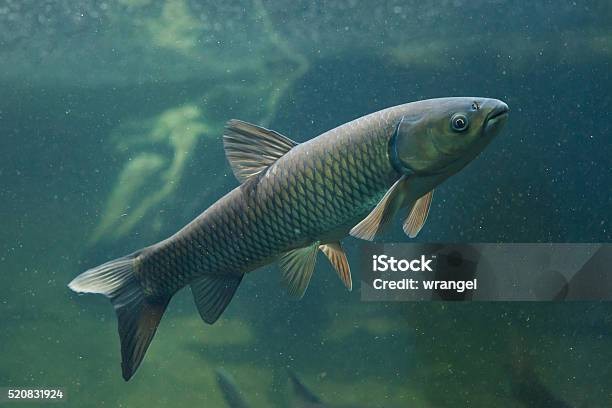
  • Wild Water Grass Carp Fishing: Rigs, Baiting Strategies, and Fighting Tactics

    Wild Water Grass Carp Fishing: Rigs, Baiting Strategies, and Fighting Tactics

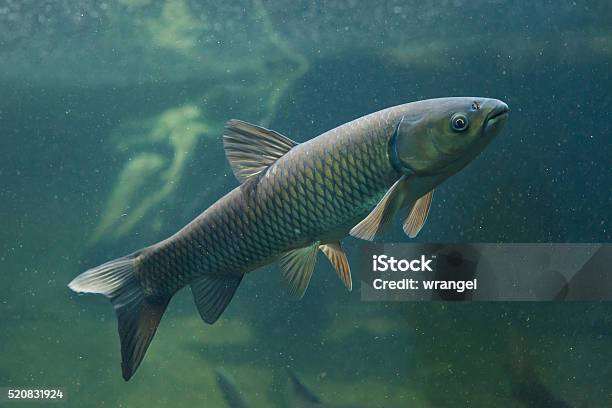
    Catching a wild Grass Carp (Amur) on big rivers or untamed lakes is the ultimate test for any angler. Unlike commercial ponds where they are used to fishing pressure and easy food, a wild grass carp is a cautious, powerful torpedo. When it hits your bait, it doesn’t just run—it tests your gear to the absolute limit.


    To land a wild giant, you need a precise strategy, heavy-duty baiting, and the right fighting tactics.
    1. The Baiting Strategy: Quantity and Consistency
    Wild grass carp are like underwater lawnmowers. They travel in schools and can clean out a bait spot in minutes. If you want to hold them in your zone, you cannot afford to be stingy with your loose feed.
    The Foundation: Fermented Corn. This is the undisputed king of grass carp bait. The strong, sour-sweet aroma of fermented corn travels fast in wild currents and drives them crazy.
    The Additions: Mix your corn with plenty of boiled hemp seeds, wheat, and high-protein pellets. Grass carp love sweet flavors, so adding liquid molasses, strawberry, or pineapple attractants to your mix is a massive plus.
    The Volume: For wild waters, you need to bait heavily. Start with 5 to 10 kilograms of particle mix per day on your spot, ideally for 2 to 3 days before you actually start fishing.
    2. Elite Rigs for Wild Amur
    Grass carp have an interesting mouth structure; their lips are tough, and they don’t suck in food the way a common carp does—they often “graze” and crush it with their pharyngeal teeth. Your rig needs to account for this.
    The Hair Rig with Pop-Up Corn (The “Snowman” or Balanced Setup)
    The Bait: Use 2 or 3 grains of artificial or boiled corn on a hair rig, balanced with a piece of yellow foam or a buoyant pop-up grain so that the bait hovers just a few millimeters above the bottom or rests critically balanced.
    The Hook: Use a deadly sharp, heavy-gauge wide gape hook (Size 2 or 4). The hook must be extremely strong because a wild amur’s mouth will bend weak wire instantly.
    The Lead Setup: A heavy inline lead or safety clip setup (100g to 130g) is essential. This weight ensures that when the fish closes its mouth and moves, the heavy lead drives the hook deep into its hard jaw automatically (the self-hooking effect).
    3. Location: Where to Find the Wild Torpedo
    Wild amur love cover and vegetation. Look for them in these specific areas:
    Extensive fields of water lilies, reeds, or submerged grass.
    Slow-moving river bays with fallen trees and overhanging branches (they love eating dropping leaves and willow seeds).
    Gravel bars adjacent to deep water where they come to feed during the night.
    4. The Fight: Taming the Underwater Explosion
    The way a wild grass carp fights is legendary, and this is where most anglers lose the fish.
    The Fake Surrender: When you hook a grass carp, it will often swim directly toward the bank with very little resistance. Many beginners think the fish is small or tired. Do not be fooled.
    The Bankside Explosion: The real fight begins the exact moment the amur sees the landing net or senses shallow water. It will explode into a violent, tail-thrashing run that can snap your line or break your rod tip in a split second.
    The Tactic: Keep your reel’s drag slightly loose as the fish approaches the net. Be ready to instantly release the spool if the fish makes a sudden, powerful dive. Never try to force a wild amur into the net on its first turn—let it run until it rolls on its side and gulps air.
    đź’ˇ Pro Tip for Wild Waters: Grass carp are extremely sensitive to noise on the bank. Keep your camp quiet, avoid shining flashlights directly onto the water at night, and keep your rods secure on heavy-duty banksticks or a stable rod pod.

  • Hooked on a Monster: Advanced Tactics for the Ultimate Swordfish Battle

    Hooked on a Monster: Advanced Tactics for the Ultimate Swordfish Battle

    Advanced Fighting Techniques
    Hooking a swordfish is only 10% of the job; landing it is where the real battle begins. These fish are known for their dirty tactics and incredible endurance.
    The Hookset: If you are using circle hooks, do not jerk the rod to set the hook. Instead, let the line go tight and reel rapidly. This ensures the hook slides to the corner of the fish’s mouth, preventing it from chewing through your leader.
    Managing the First Run: A hooked swordfish will often make a massive, violent run either straight down to the depths or directly up to the surface. Keep steady pressure, but don’t lock down the drag, or the line will snap.
    The Danger Zone (The “Slam”): Swordfish are famous for shaking their heads violently and using their bills to slash at the leader. When you feel this shaking, keep the rod tip high and maintain a smooth, constant bend in the rod to absorb the shock.
    Dealing with Jumps: If the fish breaches the surface and jumps, lower the rod tip slightly (“bow to the king”) to slacken the tension just enough so the fish doesn’t snap the line with its weight when it hits the water.
    The End Game: As the fish gets close to the boat, it will often start circling underneath. Use the boat’s engines to steer away from the fish and keep the line clear of the propellers. Never touch the leader with bare hands—always use heavy-duty fishing gloves.

    How to Rig a Swordfish Squid 

    Squid Rig
    Squid is the ultimate swordfish bait, but it must be rigged perfectly so it doesn’t spin in the current or get torn apart by smaller fish.
    Step 1: Prep the Squid: Choose a large, fresh or high-quality frozen squid (10 to 14 inches long). Clean out the guts carefully, but leave the head and tentacles attached.
    Step 2: Inserting the Hook: Run your heavy-duty stitch needle and leader through the top of the mantle (the tip of the squid’s cone) and slide a large 10/0 or 11/0 hook down inside the body. The hook bend and point should protrude neatly from the bottom near the tentacles.
    Step 3: Securing the Bait (Bridling): Use waxed dental floss or rigging twine to stitch the top of the squid’s mantle tightly around the leader. This prevents water from entering the body and blowing the bait apart while trolling or drifting.
    Step 4: Securing the Head: Run a stitch through the eyes and head of the squid, securing it directly to the hook shank. This ensures the tentacles stream naturally behind the hook and don’t bunch up.
    Step 5: The Finishing Touch (The Skirt): Slide a rubber or plastic “squid skirt” down the leader right over the tip of the squid’s mantle. This protects the bait from water friction and adds extra color or glow to attract the predator.
    💡 Pro Tip: A poorly rigged squid will spin like a propeller in the water, twisting your line into a massive knot and scaring away the swordfish. Always drop the rig next to the boat first to check its action—it should swim completely straight.

  • Mastering the Gladiator: The Ultimate Guide to Swordfish Fishing

    Mastering the Gladiator: The Ultimate Guide to Swordfish Fishing

    What Do Swordfish Eat? (ÄŚime se hrane?)

    Swordfish are opportunistic apex predators. Because they can dive to extreme depths and also hunt near the surface, their diet is quite diverse:
    Squid (Lignje): This is their absolute favorite food.
    Fish: They hunt a variety of open-ocean fish, including mackerel, barracuda, silver hake, herring, and bluefish.
    Deep-Sea Prey: They also eat small tuna and even other smaller billfish.
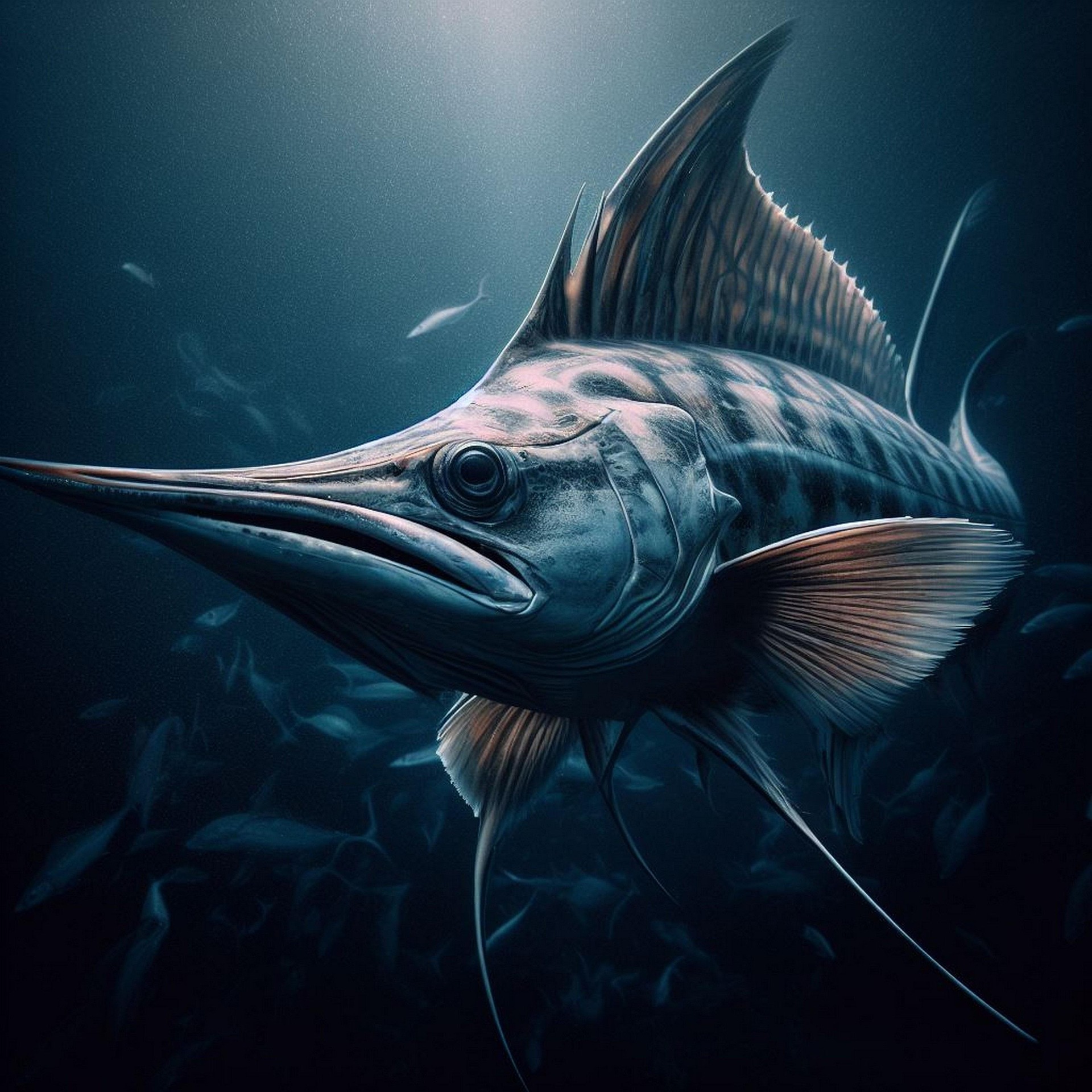
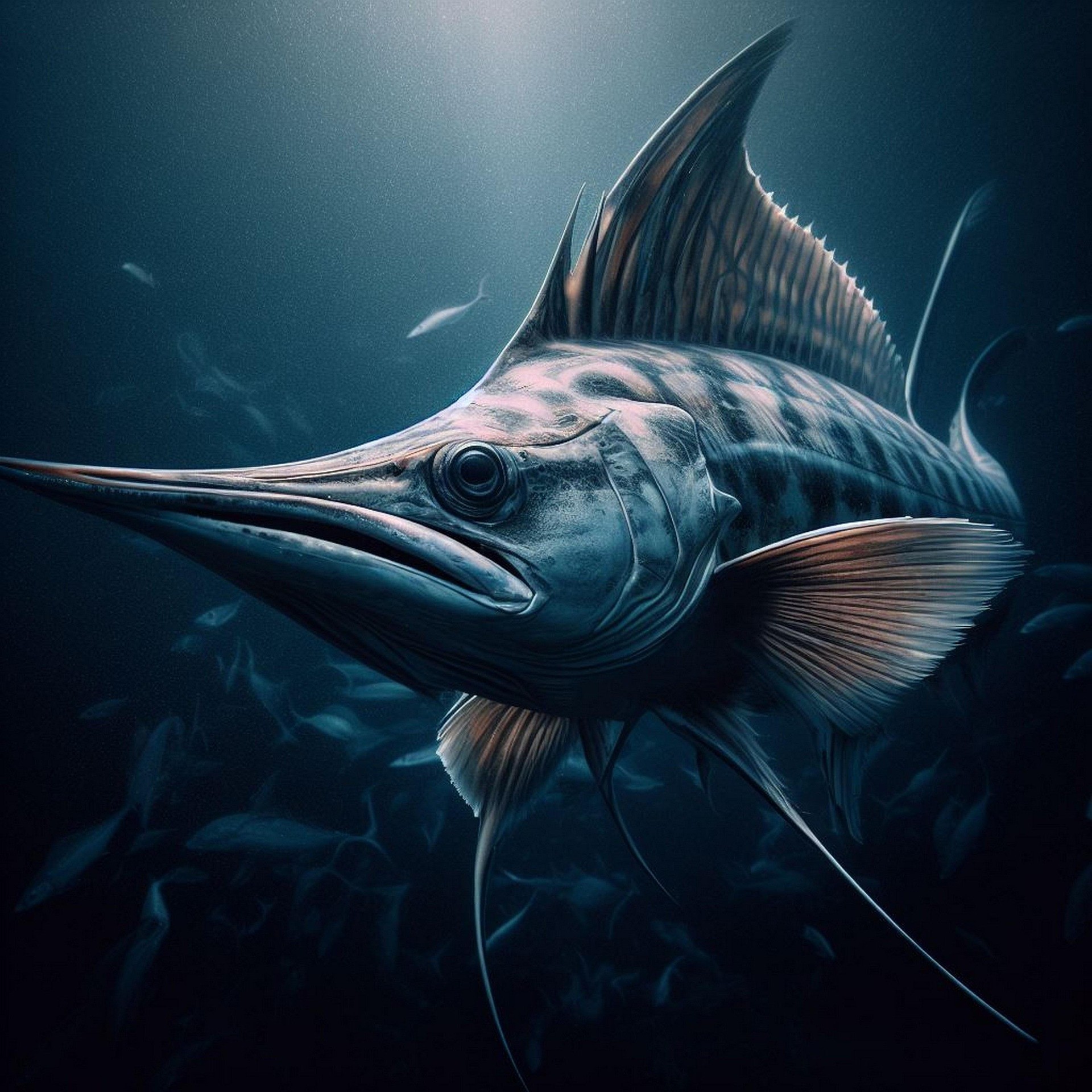
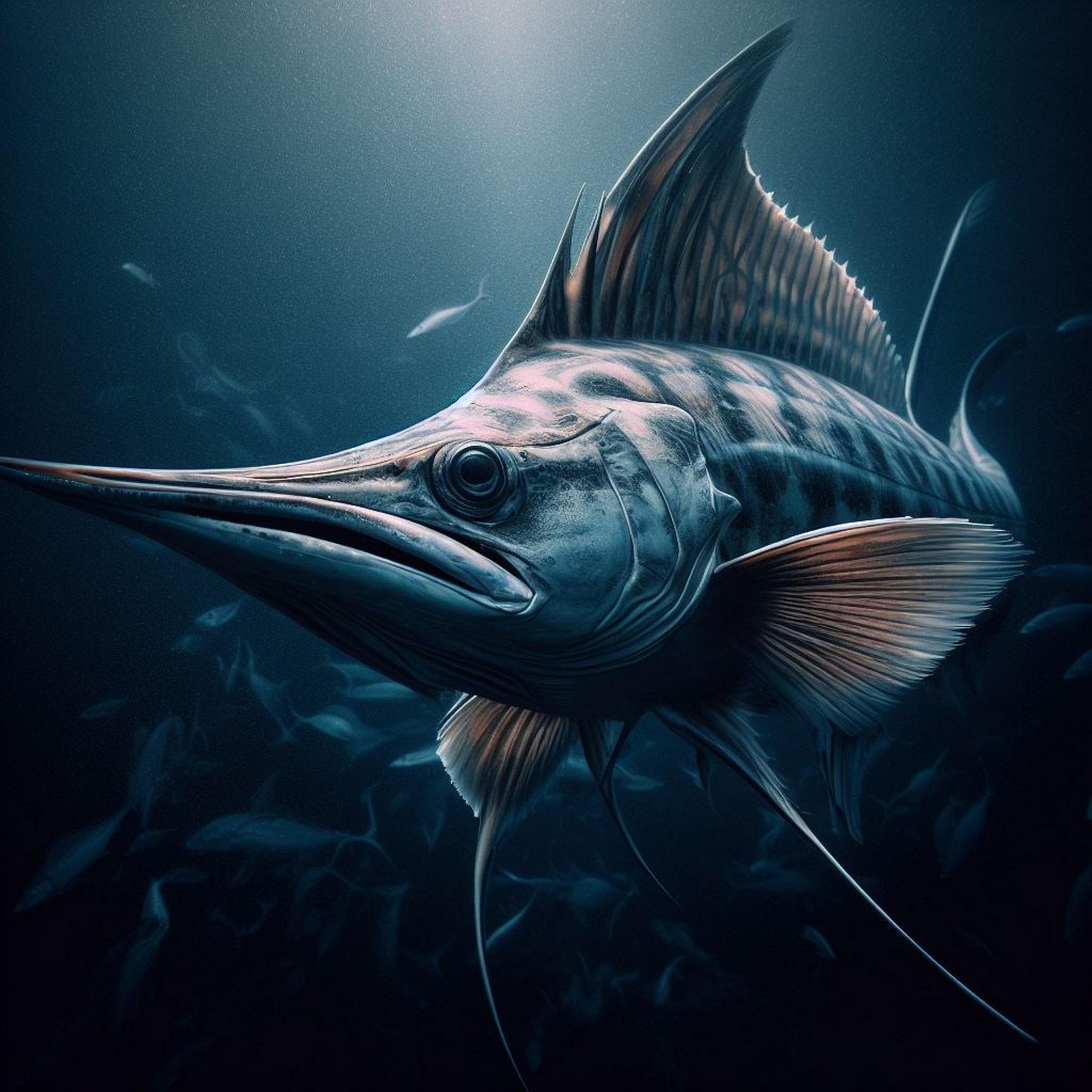
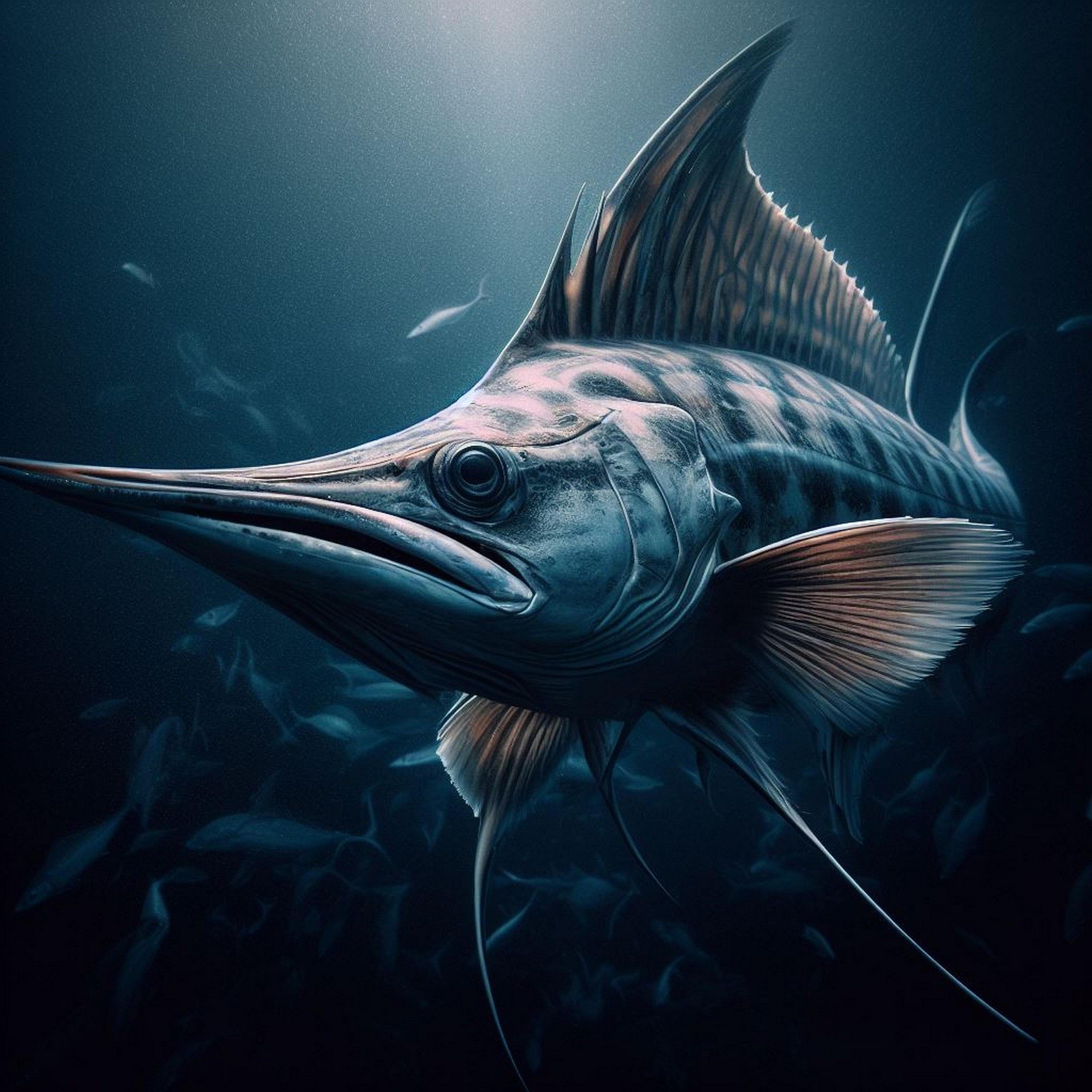
    How they hunt: Unlike sharks, swordfish don’t bite their prey immediately. They use their powerful, sharp bill (sword) to slash at schools of fish or squid, stunning or injuring them before swallowing them whole.

    How Do They Live?
    The Lone Wolves: Swordfish are solitary animals. You will rarely find them traveling in schools.
    Deep Divers: They spend their days in the pitch-black depths of the ocean (down to 2,000feetor more) and migrate to the upper water column at night.
    Biological Superpowers: They are ectothermic (cold-blooded), but they have a special heating organ next to their eyes and brain. This keeps their vision incredibly sharp in the freezing, dark depths, giving them a massive advantage over their prey.
    Keeping Your Catch: Size and Bag Limits
    Florida, Mediteran ili Atlantik
    SAD i Atlantik: Minimalna veliÄŤina je 47 inc mereno od vilice do raÄŤvanja repa (LJFL – Lower Jaw Fork Length). Sve što je manje od toga se mora pustiti.
    Bag Limit: Usually, it is allowed to keep only 1 fish per person, or a maximum of 4 fish per boat per day.


    The Ultimate Record: The Heaviest Swordfish Ever Caught
    The World Record:  Louis Marron.
    The Catch: 1953.in  Iquiquea (ÄŚile) inposible  1,182 funti !
    The Fight: The battle with this sea monster lasted for nearly two hours, and to this day, the record has never been broken on a regular rod and reel.

    đź’ˇ Pro Tip: Patience is key. Swordfish fishing requires hours of waiting, but the thrill of hooking a true “Gladiator” makes every second worth it!

    This section covers the battle and the rigging. If you want to learn about the gear, locations, and day vs. night techniques, check out my separate, dedicated guide: Hooked on a Monster: Advanced Tactics for the Ultimate Swordfish Battle

    Bistro!!!

  • Bluefin Titans: The Ultimate Guide to Catching Monster Tuna in the Adriatic

    Bluefin Titans: The Ultimate Guide to Catching Monster Tuna in the Adriatic

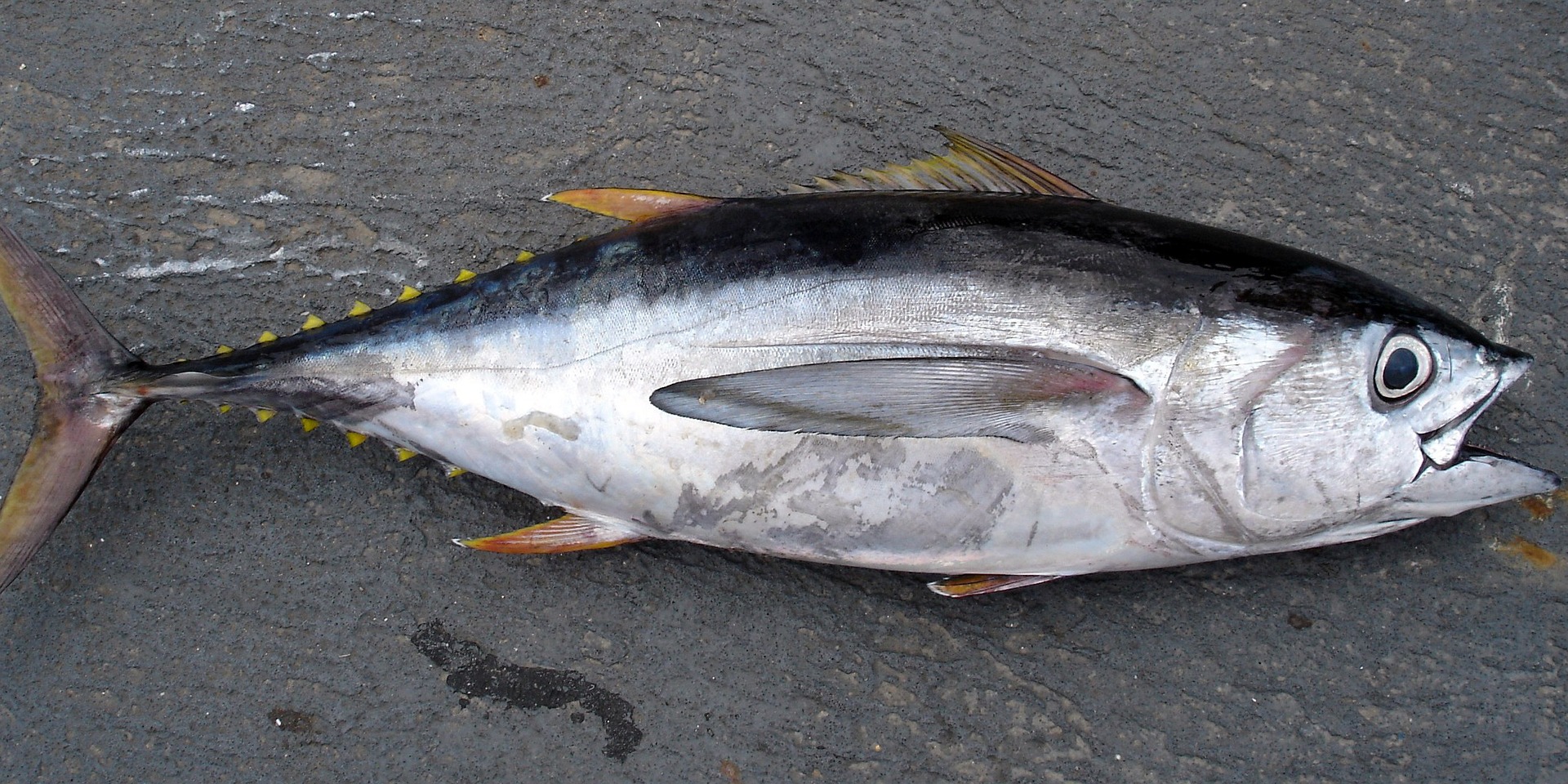
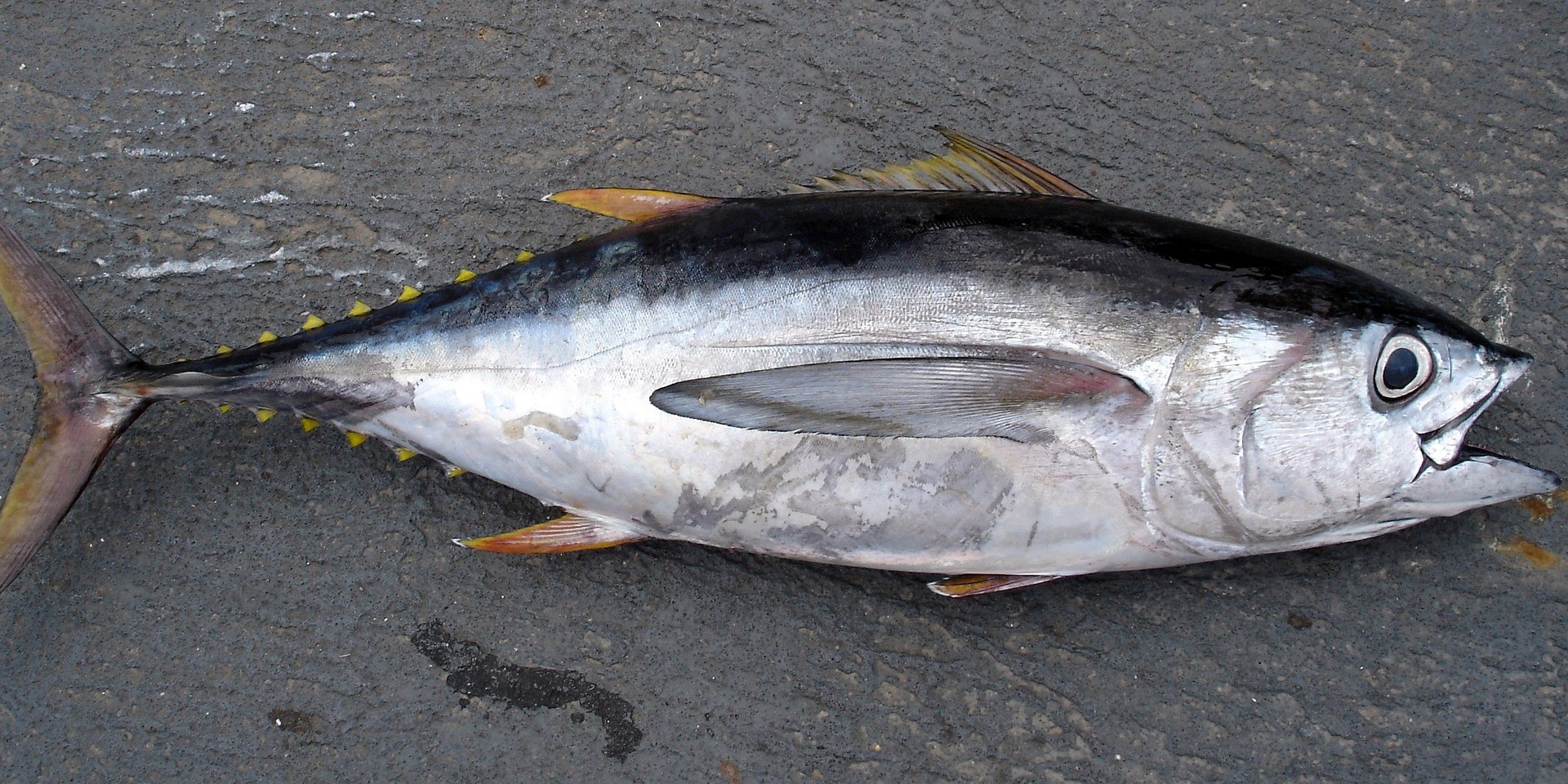
    If swordfish is the “Gladiator of the Sea,” then the Bluefin Tuna is the undisputed heavy-weight champion. It is a biological masterpiece—pure muscle, built like a torpedo, and capable of reaching speeds up to 43 mph (70 km/h).

    For your international audience looking to experience the best of Balkan saltwater fishing, the Adriatic Sea is one of the premier global hotspots for giant Bluefin Tuna. Here is everything you need to know to hook, fight, and land these ocean freight trains.

    Where to Find Them
    While Bluefin Tuna migrate across the Atlantic and Pacific oceans, the Mediterranean and specifically the Adriatic Sea are legendary breeding and feeding grounds.
    The Adriatic Hotspots: The waters off the coast of Istria (Rovinj, PoreÄŤ), Middle Dalmatia (Split, Vodice, Jezera on the island of Murter), and down toward Montenegro (Budva, Bar) are world-famous.
    The Terrain: Tuna love deep drop-offs, underwater canyons, and offshore islands where strong currents push baitfish (like sardines and mackerel) against underwater structures.


    Diet and Hunting: What Makes Them Tick?
    Tuna are voracious eaters with incredibly high metabolisms.
    The Diet: They primarily feed on small oily fish—sardines, anchovies, mackerel, and squid.
    The Eyesight: Tuna have exceptional vision. If your leader is too thick or your hook presentation looks unnatural, a big tuna will spot it instantly and skip your bait.


    How to Catch Them: Top Tactics
    To target giant tuna, commercial and sport charters use two main techniques:
    Method A: Drifting and Chumming (Chumming / Chunking)
    This is the most effective and widely used method in the Adriatic.
    The Slick: The boat drifts naturally while you constantly throw chopped pieces of fresh sardines into the water. This creates a kilometers-long scent trail (a “chum slick”) that attracts tuna from miles away.
    The Presentation: You drop 3 to 4 rods at different depths within that chum slick. One bait is placed right inside the floating chunks, usually weighted down subtly.
    The Bait: A whole, fresh sardine or mackerel rigged on a razor-sharp 8/0 to 10/0 circle hook.
    Method B: Trolling (Panula)
    Using heavy offshore rods, you troll artificial lures (like plastic squids, feathers, or deep-diving plugs) or rigged dead baitfish at speeds between 5 to 9 knots. This method covers a massive amount of water to locate active schools.


    Heavy Artillery Gear
    Do not bring light tackle to a tuna fight. You need industrial-grade equipment:
    Rods: 50-to-130-lb class heavy-duty trolling rods with roller guides.
    Reels: Massive conventional reels (like Shimano Tiagra 50W or 80W, or Penn International) with top-tier drag systems.
    Line: 80-to-130-lb braided line or high-vis monofilament, tipped with a stealthy, high-grade fluorocarbon leader (100-to-150-lb test) to fool their sharp eyes.

    The Ultimate World Record
    The Monster: The official IGFA all-tackle world record for an Atlantic Bluefin Tuna is mind-boggling.
    The Catch: On October 26, 1979, an angler named Ken Fraser caught a giant Bluefin in Aulds Cove, Nova Scotia, Canada.
    The Weight: The beast weighed an incredible 1,496 pounds (exactly 678.5 kilograms)!
    The Fight: Remarkably, Fraser managed to bring this absolute titan to the boat in just 45 minutes, a legendary feat of angling strength and skill.

    The “Something Extra”: A Forgotten Tuna Secret (Seti se još neÄŤega)
    Here is a massive insider tip for your blog that many beginner anglers forget: Watch the birds and the dolphins.
    🌊 The Indicator Strategy: In the Adriatic, you are not just looking at your sonar/fishfinder. You must scan the horizon with binoculars. Look for flocks of seagulls and terns diving violently into the water.
    Below those birds, dolphins or smaller predators are pushing schools of sardines up to the surface. Where there is a massive bait ball panic, giant Bluefin Tuna are almost always underneath it, blasting through the middle like missiles. If you see birds diving, steer your boat toward the action immediately, shut down the engines, and start chunking.


    đź’ˇ Pro Tip: When a giant tuna hits your bait, it doesn’t just bite—it explodes. The initial run can strip 300 yards of line off your reel in a blink of an eye. Keep your cool, let the drag work, and never underestimate their stamina!