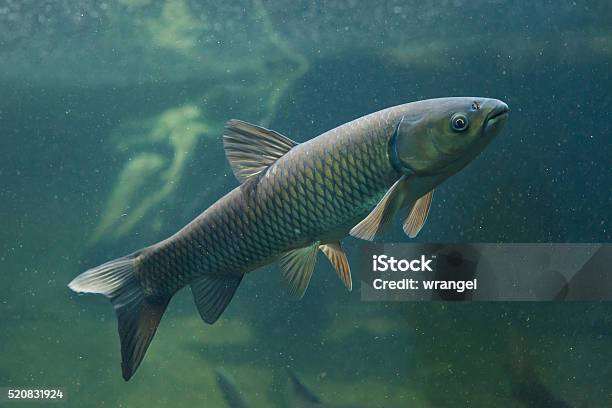
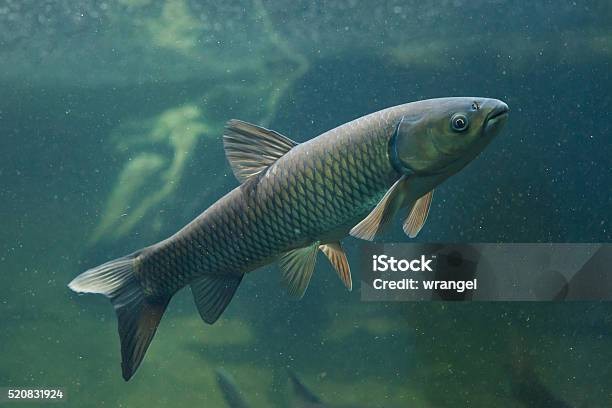
Catching a wild Grass Carp (Amur) on big rivers or untamed lakes is the ultimate test for any angler. Unlike commercial ponds where they are used to fishing pressure and easy food, a wild grass carp is a cautious, powerful torpedo. When it hits your bait, it doesn’t just run—it tests your gear to the absolute limit.
To land a wild giant, you need a precise strategy, heavy-duty baiting, and the right fighting tactics.
1. The Baiting Strategy: Quantity and Consistency
Wild grass carp are like underwater lawnmowers. They travel in schools and can clean out a bait spot in minutes. If you want to hold them in your zone, you cannot afford to be stingy with your loose feed.
The Foundation: Fermented Corn. This is the undisputed king of grass carp bait. The strong, sour-sweet aroma of fermented corn travels fast in wild currents and drives them crazy.
The Additions: Mix your corn with plenty of boiled hemp seeds, wheat, and high-protein pellets. Grass carp love sweet flavors, so adding liquid molasses, strawberry, or pineapple attractants to your mix is a massive plus.
The Volume: For wild waters, you need to bait heavily. Start with 5 to 10 kilograms of particle mix per day on your spot, ideally for 2 to 3 days before you actually start fishing.
2. Elite Rigs for Wild Amur
Grass carp have an interesting mouth structure; their lips are tough, and they don’t suck in food the way a common carp does—they often “graze” and crush it with their pharyngeal teeth. Your rig needs to account for this.
The Hair Rig with Pop-Up Corn (The “Snowman” or Balanced Setup)
The Bait: Use 2 or 3 grains of artificial or boiled corn on a hair rig, balanced with a piece of yellow foam or a buoyant pop-up grain so that the bait hovers just a few millimeters above the bottom or rests critically balanced.
The Hook: Use a deadly sharp, heavy-gauge wide gape hook (Size 2 or 4). The hook must be extremely strong because a wild amur’s mouth will bend weak wire instantly.
The Lead Setup: A heavy inline lead or safety clip setup (100g to 130g) is essential. This weight ensures that when the fish closes its mouth and moves, the heavy lead drives the hook deep into its hard jaw automatically (the self-hooking effect).
3. Location: Where to Find the Wild Torpedo
Wild amur love cover and vegetation. Look for them in these specific areas:
Extensive fields of water lilies, reeds, or submerged grass.
Slow-moving river bays with fallen trees and overhanging branches (they love eating dropping leaves and willow seeds).
Gravel bars adjacent to deep water where they come to feed during the night.
4. The Fight: Taming the Underwater Explosion
The way a wild grass carp fights is legendary, and this is where most anglers lose the fish.
The Fake Surrender: When you hook a grass carp, it will often swim directly toward the bank with very little resistance. Many beginners think the fish is small or tired. Do not be fooled.
The Bankside Explosion: The real fight begins the exact moment the amur sees the landing net or senses shallow water. It will explode into a violent, tail-thrashing run that can snap your line or break your rod tip in a split second.
The Tactic: Keep your reel’s drag slightly loose as the fish approaches the net. Be ready to instantly release the spool if the fish makes a sudden, powerful dive. Never try to force a wild amur into the net on its first turn—let it run until it rolls on its side and gulps air.
💡 Pro Tip for Wild Waters: Grass carp are extremely sensitive to noise on the bank. Keep your camp quiet, avoid shining flashlights directly onto the water at night, and keep your rods secure on heavy-duty banksticks or a stable rod pod.
Leave a Reply