
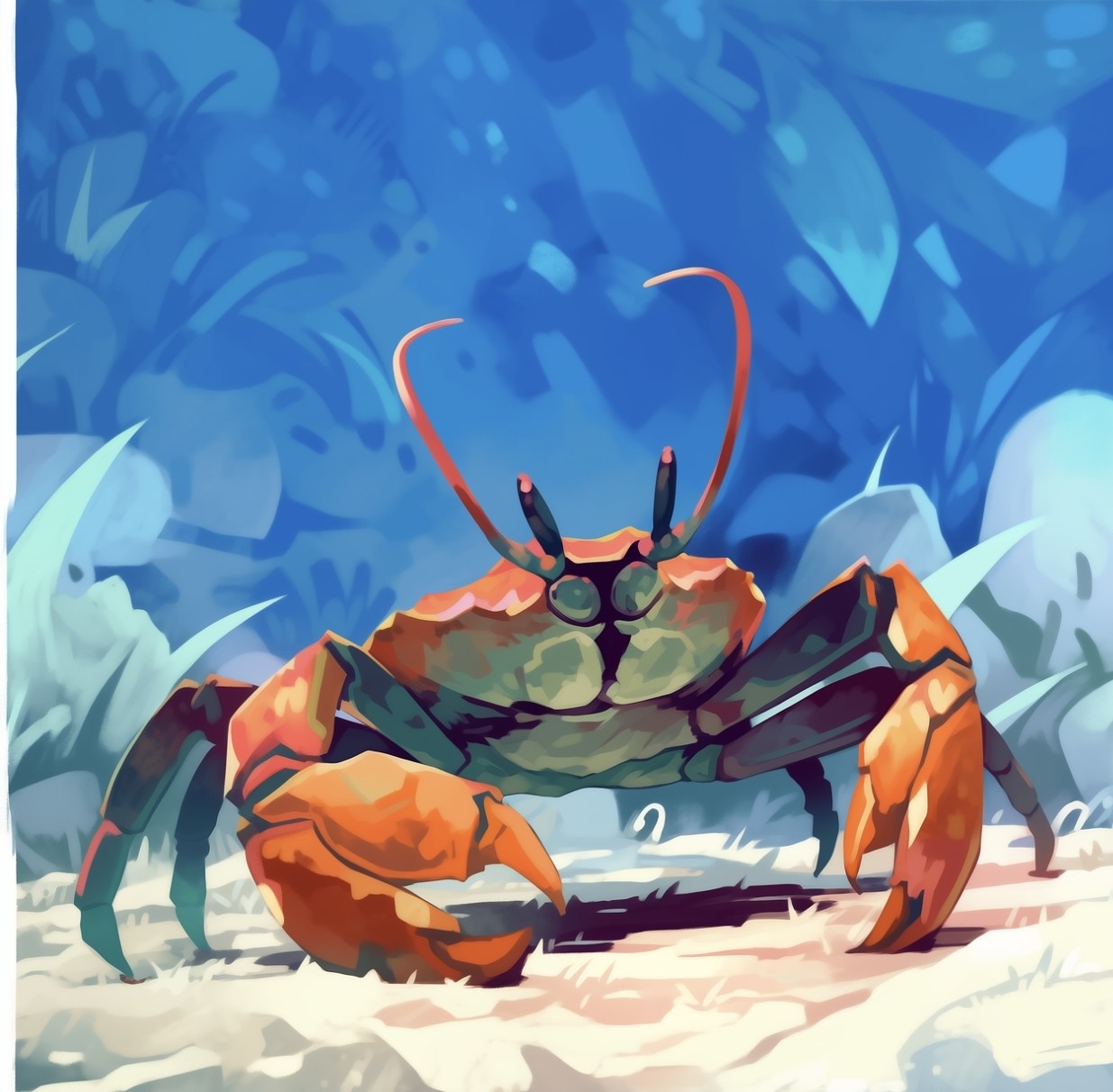
Whether you want to harvest a delicious freshwater feast or catch the absolute best live bait for monster wels catfish, trapping crawfish (crayfish) is a bulletproof method. Crawfish are aggressive scavengers with an incredible sense of smell, but they are also cautious. If you don’t know how to set your trap and rig your bait, you’ll end up with an empty cage.
Here is the complete guide to mastering the crawfish trap.
Choosing the Right Trap
To catch crawfish efficiently, you need a specialized mesh trap (often called a pot or creel).
The Design: The best traps are cylindrical or accordion-style mesh cages with cone-shaped entry funnels on both ends. The crawfish easily crawl inside following the scent trail, but because the inner opening is narrow and suspended, they cannot find their way out.
Mesh Size: If you are targeting larger crawfish for cooking, choose a wider mesh so the tiny ones can escape. If you need small to medium ones as live bait for catfish, use a tight, fine-mesh trap.
The Best Bait: Fresh and Bloody Beats “Rotten”
There is a common myth that crawfish only eat rotten, stinking meat. In reality, fresh bait with a strong, bloody scent works twice as fast.
Fresh Baitfish: Cut a fresh roach, bream, or mackerel in half. Crushing the fish slightly allows the blood and natural oils to disperse rapidly in the current.
Chicken Necks and Liver: Chicken parts are highly effective and cheap. Because chicken liver is soft and crawfish can tear it apart quickly through the mesh, put the liver inside an old nylon stocking before placing it in the trap.
The Pro Secret: Toss a crushed clove of garlic into the trap along with your meat. Garlic acts as a massive scent enhancer underwater, drawing crawfish from long distances.
Location and Strategic Placement
Crawfish hate clean, open, sandy bottoms because it makes them easy targets for predators like catfish, pike, and bass.
The Structure: Drop your traps close to the shoreline around sunken logs, tree roots, heavy rock piles, or steep clay banks where they dig their burrows.
Depth: The ideal depth for trapping is between 3 to 10 feet (1 to 3 meters).
Securing the Trap: The cage must rest completely flat on the river or lake bed. If you are fishing in a river with a current, put a heavy stone inside the trap so it doesn’t roll over. Tie the line securely to a tree root on the bank or to a marker buoy if you are operating from a boat.
Timing is Everything
Crawfish are strictly nocturnal. They spend the daylight hours hiding deep inside mud holes and under rocks, and they only come out to forage once darkness falls.
Set your traps in the late afternoon or just before dusk, and check them early in the morning. If you leave them out during the day, small baitfish or turtles will steal your bait before the crawfish even wake up.
💡 Handling Pro Tip: When removing crawfish from the trap, always pick them up from the back, right behind the claws (where the head meets the tail). They cannot bend their claws backward to pinch you from that angle, giving you total control.
Leave a Reply