Common Carp Guide: Origin, Fighting Power, Diet, and Natural Habitat 2026
The common carp
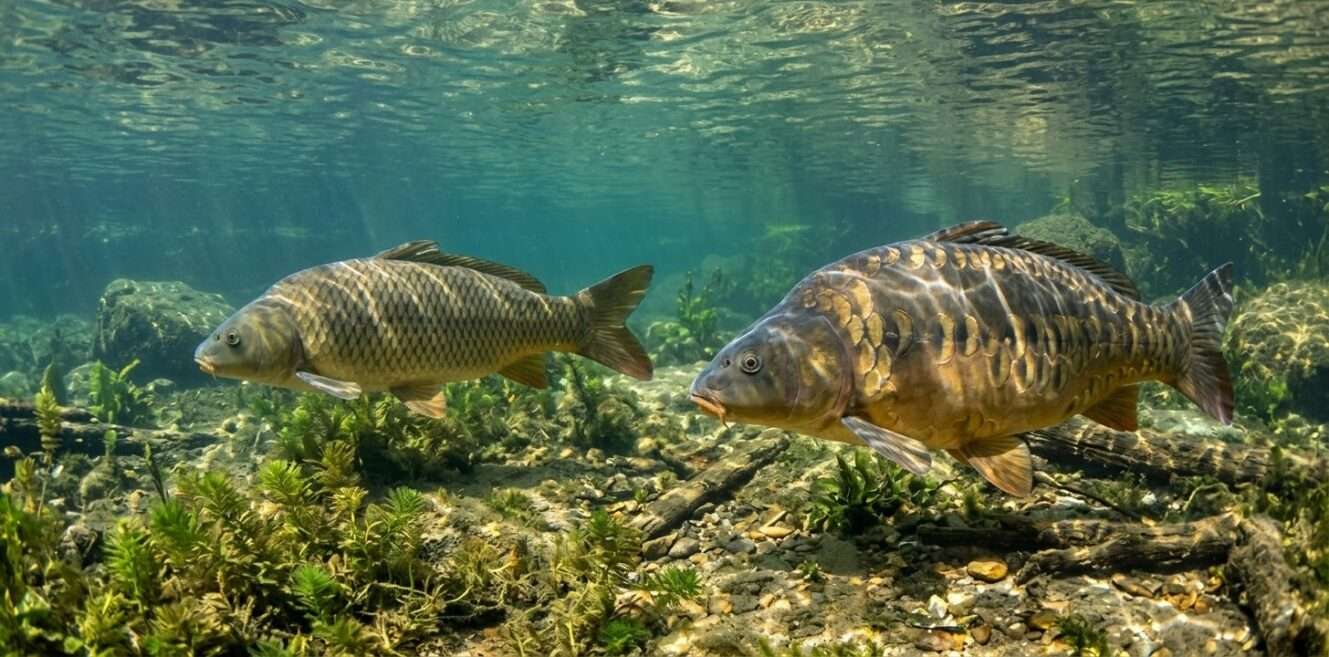
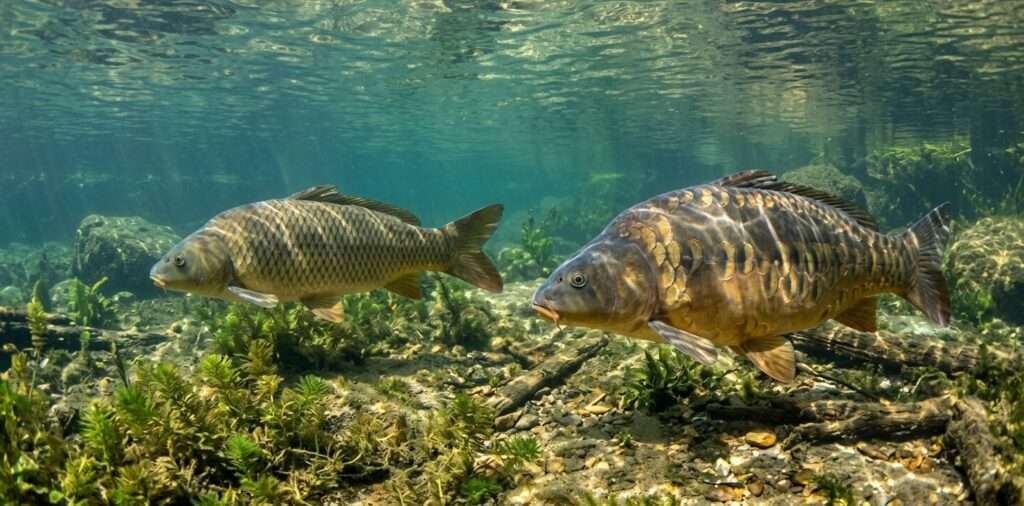
(Cyprinus carpio) stands as one of the most iconic and ecologically successful freshwater species on the planet. Originating natively from the rich, temperate river systems of Central and Eastern Europe—specifically the Danube River basin—and extending across Central Asia to the Caspian and Black Sea drainages, this species has adapted to almost every continent except Antarctica. Physically engineered for longevity and endurance, the carp features a deep, muscular body covered in large, iridescent golden-bronze scales. Its powerful tail stem and wide caudal fin provide exceptional swimming efficiency, allowing it to navigate dense underwater cover and strong river currents with ease.
A defining physical characteristic
is its highly specialized subterminal, extendable mouth equipped with two pairs of sensory barbels. These barbels are packed with gustatory receptors that allow the carp to sift through mud, silt, and gravel, detecting hidden food sources before even seeing them. When hooked by anglers, carp demonstrate legendary fighting power. Unlike lighter freshwater species, carp utilize their sheer body mass, leverage, and unstoppable momentum to execute long, sustained runs toward snags, weed beds, and submerged timber.
Their dietary habits
are highly opportunistic and omnivorous; feed continuously on freshwater mussels, snails, bloodworms, caddis larvae, water beetles, aquatic plants, seeds, and organic detritus. In modern angling venues, carp have also developed an immense appetite for nutrient-rich boilies, pellets, cooked sweetcorn, and tiger nuts. In terms of habitat, carp thrive best in warm, deep, slow-moving rivers, expansive natural lakes, reservoirs, and heavily stocked commercial fisheries.
They seek out areas
rich in natural shelter, such as dense lily pad fields, overhanging marginal trees, submerged gravel shelves, and deep silt pockets where food naturally accumulates. Understanding these biological traits is essential for any angler aiming to outsmart large, wild carp in varying water systems.
Tactics for Catching Specimen Fish in Fast Rivers
Targeting big river carp in fast-flowing water demands a specialized approach compared to stillwater sessions. River carp are lean, muscle-bound, and constantly on the move fighting currents, which makes their feeding responses incredibly aggressive when they locate a scent trail. However, holding a heavy bait rig stationary in turbulent river water requires specific terminal adjustments. Anglers must read the river’s hydrology carefully to pinpoint natural current breaks where carp rest and feed without expending unnecessary energy.
Heavy Lead Anchor Rigs in Fast River Currents
Keeping rig anchored firmly on a riverbed requires heavy, flat lead shapes that resist moving under intense current pressure. Standard smooth pear leads roll downstream easily, so river carp anglers rely on flat, textured gripper leads weighing between four and six ounces. Pairing these flat gripper leads with low-diameter braid or fluorocarbon leaders cuts line drag, preventing the flow from bowing the main line and dragging the rig out of the feeding zone.
Heavy Feed and PVA Sponge Tactics for Rivers
Feed distribution in fast river runs must be heavy and dense to ensure the bait stays on the riverbed rather than washing downstream. A mix of crushed carp boilies, heavy halibut pellets, cooked hemp seed, and dense river groundbait forms an effective carpet feed. Using PVA mesh bags or PVA tape loaded with high-density pellets attached directly to the carp hook ensures that a highly attractive concentrated feed cluster rests right beside the hook bait.
High-Angle Rod Positioning and Heavy Drag Setup
Positioning carp rods high on a river tripod keeps maximum main line out of the roaring surface water, reducing current pressure on the rig. River carp bites are notoriously violent, often bending the rod tip double in a split second. Spool drag settings must be locked down tight enough to set the heavy hook instantly, yet calibrated to yield line before the sheer power of the fish snaps the leader during its initial downstream surge.
Tactics for Catching Fish in Slow-Flowing Rivers
Slow-moving river stretches offer a serene environment where carp can patrol expansive territories along predictable routes. In these low-velocity environments, water clarity is often higher, meaning carp rely heavily on their sharp eyesight and lateral line sensitivity. Stealth, delicate bait presentation, and careful rig camouflage become far more critical than heavy anchor leads. Success hinges on finding natural river features and dropping stealthy traps right in their path.
Camouflaged Rigs for Clear and Slow River Swims
When fishing clear, slow-flowing river sections, heavy tackle can easily spook wary carp. Downsizing to transparent fluorocarbon hooklinks or soft, weed-green braided hooklines that lie flush against the riverbed is vital. Lighter flat-pear leads or inline leads should be paired with backleads to pin the main line completely down to the bottom, eliminating the risk of cruising carp bumping into line angles.
Pre-Baiting Strategies for Slow River Pools
Pre-baiting is one of the single most lethal strategies for targeting slow-river carp. Introducing moderate quantities of boiled seeds, sweetcorn, and mixed boilies into chosen swims over three or four consecutive days builds tremendous confidence among local carp schools. By the time you fish the spot, the fish will be feeding freely without suspicion, resulting in fast, decisive action.
Feature Fishing near Overhanging Trees and Margin Shelves
Slow river stretches feature distinct natural holding zones where carp spend hours seeking cover. Overhanging willow branches, sunken tree trunks, and deep clay margin shelves offer security and rich natural feeding. Dropping a hair-rigged fish bait mere inches from submerged roots or along gravel drop-offs yields far better results than blind casting into open river water.
Tactics for Catching Fish in Lakes and Commercial Fisheries
Stillwater lakes and commercial carp fisheries present unique tactical challenges due to high angling pressure and still water conditions. Without water currents to disperse scent, bait placement must be pinpoint accurate. Stillwater carp quickly learn to recognize obvious rigs, requiring modern anglers to refine their terminal presentation, experiment with different bait buoyancy levels, and implement active feeding patterns to stand out.
Method Feeder Tactics for Commercial Waters
The Method feeder remains a dominant tactic on stillwater commercial fisheries targeting hungry fish. This setup packs micro pellets or groundbait around a central flat feeder, with the hook bait embedded right on top. As carp vacuum up the pellet mound, they ingest the hook bait instantly, producing dynamic bolt takes and reliable lower-lip hook holds.
Margin Fishing Secrets for Shallow Lake Edges
During late afternoon and evening periods, large stillwater carp move into shallow bank margins to forage for discarded bait. Anglers can target these margin-cruising giants using heavy margin poles or short carp stalker rods. Cup in small helpings of micro pellets, sweetcorn, and liquid-soaked boilies right against the bank shelf while keeping noise and shadows off the water.
Surface and Pellet Waggler Tactics for Stillwaters
During warm summer days, carp spend long periods basking or feeding near the lake surface. Fishing with floating dog biscuits, surface pop-ups, or firing carp pellets continuously around a pellet waggler float can pull carp into an aggressive mid-water feeding frenzy, offering thrilling visual sport on light tackle.
Which Method Is Best for Targeting Wild Fish?
While various angling styles catch fish, the modern Hair Rig bolt system stands as the undisputed best method for catching fish across all water types. Invented specifically to overcome cautious carp spitting out hooks, the hair rig leaves the hook completely bare below the bait. Combined with a fixed or semi-fixed lead clip system, this method ensures that the moment a carp picks up the bait and moves, the weight of the lead drives the hook point home automatically.
Hair Rig Dynamics and Mechanics Explained
The engineering behind hair rig relies on natural feeding physics. Carp suck in food items and silt together, filtering feed before blowing out unwanted debris. Because the bait sits on a thin thread below the hook, the fish inhales both effortlessly. When it attempts to eject the bare hook, the exposed point pricks the lip tissue, causing the fish to bolt and set the hook against the lead.
Running Rigs vs Fixed Bolt Rigs
While fixed bolt rigs excel for self-hooking aggressive fish, running carp rigs offer zero line resistance for ultra-cautious carp in heavily pressured lakes. A running lead lets the main line slide freely through a swivel, giving timid carp no initial weight to feel, which leads to steady, confident line pulls on cautious winter days.
PVA Bag Tactics for Concentrated Attraction
Solid PVA bags are an unbeatable carp presentation method for fishing over messy lake bottoms or silt. Packing hook bait, micro pellets, and crushed boilies tightly inside a water-soluble PVA bag guarantees that your hook point stays free of debris during the cast while creating a tight, attractive meal immediately surrounding your bait.
Which Type of Rods Are Best for Modern Angling?
Selecting the right carp rod depends on target venue size, required casting distance, and fish size. Standard carp rods typically range from 10 feet to 13 feet in length, with test curves ranging between 2.75lb and 3.75lb. Matching the test curve to your specific fishing style prevents lost fish near the net while providing enough backbone to cast heavy leads accurately.
2.75lb to 3.0lb Test Curve Rods for All-Around Fishing
rod rated between 2.75lb and 3.0lb test curve represents the perfect all-around choice for small-to-medium lakes and gentle rivers. It offers a forgiving, playing action that bends smoothly to absorb sudden head shakes under the rod tip, protecting hook holds while offering sufficient power to cast three-ounce leads up to 80 yards.
3.5lb to 3.75lb Test Curve Rods for Distance and Extreme Swims
For big open reservoirs, powerful rivers, or snag-ridden swims, heavy-duty 3.5lb to 3.75lb test curve rods are required. These stiff blanks deliver massive power transfer, enabling long-distance casting over 130 yards with heavy leads or big PVA bags, while offering the leverage needed to turn powerful carp away from sunken snags.
Stalker and Travel Rod Flexibility
Compact 9ft to 10ft carp stalker rods are designed for mobile anglers creeping through dense bankside cover. Their shorter length makes maneuvering under low trees effortless, providing incredible close-quarters control when fighting massive carp right under the rod tip in tight margin swims.
Lead Types and Weight Selection for Solid Rigs
Lead selection in carp angling influences casting distance, stealth, riverbed grip, and self-hooking efficiency. Modern leads feature non-reflective camo coatings designed to blend into silt, gravel, or weed beds seamlessly. Using the correct lead shape ensures optimal rig mechanics regardless of bottom substrate.
Flat Pear and Swivel Leads for Soft Silt
Flat pear leads distribute weight over a wider surface area, making them ideal for fishing over soft mud or deep silt. Instead of plunging deep into the soft bottom and burying the rig, flat pear leads rest gently on top of the silt layer, keeping your hook bait perfectly visible to patrolling carp.
Distance and Inline Leads for Hard Gravel Beds
Inline carp leads feature the main line running straight through the center of the weight. This design places the full mass of the lead immediately behind the hook link the instant a carp picks up the bait, offering the most explosive self-hooking efficiency on firm gravel bottoms. Aerodynamic distance leads excel when maximum casting yardage is needed.
Lead Clip Safety and Weight Release Mechanics
Fish safety is paramount in carp fishing. Utilizing modern safety lead clips ensures that if a hooked carp breaks the line or gets wedged in heavy snags, the lead pops free from the plastic arm easily. This allows the carp to fight or escape without dragging a heavy weight, preventing fatal tethering.
Line Types: Mainlines, Braid, and Fluorocarbon Options
The line connecting your reel rig must endure high tension, severe friction against underwater structures, and sharp water debris. Choosing the right mainline material involves balancing stretch, abrasion resistance, density, and camouflage characteristics to suit your specific fishing environment.
Monofilament Mainlines for Reliable Strength
High-grade monofilament testing between 12lb and 18lb remains the primary choice for general carp fishing. Monofilament offers built-in stretch, which acts as a vital cushion during intense lunges near the landing net. It boasts superb knot strength and high abrasion resistance against sharp gravel shelves and underwater rocks.
Braided Mainlines and Hooklink Materials
Braided mainlines feature zero stretch and thin diameters, providing instantaneous bite indication at extreme distances and effortlessly cutting through dense weed beds. Coated braided hooklinks are exceptionally popular for carp rigs, offering stiff anti-tangle properties that prevent tangles during long casts.
Fluorocarbon Lines for Stealthy Concealment
Fluorocarbon is nearly invisible under water because it light-refracts similarly to liquid. It is substantially heavier than standard monofilament, sinking like a stone to lie completely flush along the bottom contours. Using fluorocarbon leaders or mainlines prevents line-conscious carp from spooking when swimming through your swim.
Hook Patterns and Sizes for Maximum Retention
Carp possess tough, rubbery lips that require exceptionally strong, chemically sharpened hooks capable of maintaining a firm hold during brutal fights. Weak hooks will open or break under pressure. Choosing forged, carbon-steel carp hook patterns tailored to your bait setup guarantees optimal hooking performance.
Wide Gape Hook Patterns for All-Around Success
Wide gape carp hooks featuring a short shank and slightly in-turned eye are widely regarded as the ultimate all-around pattern. The wide distance between the point and shank leaves plenty of clearance for bottom baits, pop-ups, and wafters, resulting in deep, rock-solid hook holds in the bottom lip.
Curve Shank Patterns for Fast Rotation
Curve shank hooks feature an aggressively curved spine that causes the hook to flip and turn instantly inside the carp’s mouth without requiring additional shrink tubing. This fast-turning mechanic drives the razor-sharp point into the lower lip the moment line tension is applied.
Chod and Stiff Rig Hook Patterns
Hooks designed for chod rigs and stiff pop-up presentations feature a distinct out-turned eye. This design prevents heavy monofilament or stiff fluorocarbon materials from reducing the hook gape when tied with a knotless knot, maintaining optimum hooking efficiency for elevated pop-up baits.
Carp Baits: Premier Feed Options for Maximum Attraction
The range of effective baits available today is vast, catering to the species’ rich omnivorous appetite. High-protein nutritional profile baits attract carp from long distances and keep them returning to feeding spots consistently. Selecting high-quality baits tailored to seasonal water conditions guarantees higher bite rates.
Boilies: High-Attract Protein Offerings
Boilies are boiled paste balls made from milk proteins, fishmeals, bird foods, and grain mixtures combined with savory or sweet attractants. Available in sizes from 10mm to 24mm, boilies resist small nuisance fish while providing carp with rich nutritional value. Flavors like Krill, Squid, Monster Crab, and Tutti Frutti are legendary carp catchers worldwide.
Pellets and Particle Baits: Hemp, Corn, and Tiger Nuts
Particle baits offer an incredible carpet feed strategy for carp. Cooked hemp seed resembles small freshwater snails, keeping feeding frantically on the lakebed for hours. Sweetcorn provides brilliant visual contrast, while sweet, crunchy tiger nuts rank among the most selective big carp baits ever created.
Liquids, Pastes, and Pop-Up Buoyancy Variations
Enhancing baits with amino-rich liquid foods, glugs, and soluble wraps dramatically increases attraction in cold or murky water. Buoyant pop-up boilies and critically balanced “wafters” counteract the weight of the hook, allowing the bait to fly effortlessly into the carp’s mouth at the slightest suction.
Angling Forum Secrets and Community Wisdom
Online carp forums and angler networks are filled with real-world secrets refined over decades by experienced venue specialists. Incorporating these community-tested tips into your regular carp routine gives you an edge on heavily pressured waters where standard methods fail.
Forum Secret: Critical Bait Balancing with Wafters
Experienced forum contributors heavily emphasize using critically balanced wafter baits. By trimming a buoyant pop-up or using a dedicated wafter boilie, the bait weight precisely neutralizes the hook weight. When a cautious carp feeds near the rig, the wafter rises faster than natural baits, flying deep into the mouth before the fish suspects danger.
Forum Secret: Location over Gear Every Time
A golden rule repeated across top forums is that two hours in the right swim beats twenty-four hours in the wrong one. Spend time walking the venue observing water signs—bubbling patches, rolled water surfaces, or muddy clouds—before setting up gear. Fishing where carp are actively present guarantees success.
Forum Secret: Washing Out Boilies for Shy Fish
On heavily pressured waters where carp fear freshly introduced baits, forum veterans recommend “washing out” boilies. Soak your boilies in lake water for 12 to 24 hours prior to your session. The washed-out, faded look mimics old, safe bait that has sat on the lakebed for days, tricking suspicious big carp into feeding without fear.
Carp Hotspot Guide: Locating Feeding Zones
Locating requires an understanding of water topography, weather conditions, wind directions, and seasonal movements. Carp are highly tuned to their environments, seeking out specific underwater features that offer warmth, safety, and abundant natural food supplies throughout the year.
Margin Shelves, Gravel Bars, and Plateau Features
Underwater gravel bars and shallow plateaus rising out of deep water are prime carp feeding stations. These features collect sunlight, warm up faster, and harbour abundant populations of snails and freshwater mussels. Casting carp rigs to the edges where gravel bars drop off into deeper mud places baits right in primary patrol routes.
Weed Beds, Lily Pads, and Silt Pockets
Dense aquatic weed beds and lily pad fields generate high oxygen levels and shelter vast communities of water insects, making them biological magnet zones for hungry fish. Finding small open silt clearings within dense weed patches offers ideal placement for PVA bag presentations.
Wind Influence and Shallow Solar Heating Zones
Carp frequently follow warm, strong winds pushing across a lake, as the moving water carries surface food toward the windward bank while injecting oxygen. Conversely, during early spring mornings, carp congregate in shallow, sheltered bays that warm up quickly under direct sunlight.
Lunar Phases and Atmospheric Effects on Feeding Behavior
Understanding how natural cycles influence aquatic ecosystems is essential for targeting large bottom-feeders effectively. Celestial movements, water pressure variations, and weather shifts dictate when these fish transition from passive resting states to aggressive foraging behavior. By reading these environmental cues, anglers can time their sessions to coincide with peak feeding windows.
The moon’s gravitational pull exerts a powerful influence on underwater life, primarily through subtle changes in electromagnetic fields and water pressure. During full moon and new moon phases, biological activity in fresh water tends to surge. These periods, often referred to as solunar peaks, frequently trigger extended feeding sprees. Under a bright full moon, specimens often venture into shallow margins, relying on night vision and sensitive lateral lines to locate food patches. Conversely, dark new moon nights encourage cautious giants to feed confidently in open water or along patrol routes without feeling exposed.
Barometric pressure plays an equally critical role in determining active feeding depths.
A falling barometer ahead of an incoming storm front creates ideal conditions, as declining pressure stimulates the swim bladder and encourages intense foraging. During these atmospheric shifts, the species actively searches for heavy meals before harsh weather arrives. On the other hand, sustained high-pressure systems during heatwaves usually push fish into mid-water thermoclines or deep, oxygen-rich basins, rendering them sluggish and selective.
Wind direction and strength further shape feeding opportunities.
Strong, warm winds blowing across a body of water push nutrient-rich surface layers, micro-organisms, and natural food items toward lee shores. The resulting wave action churns up silt and increases dissolved oxygen levels, driving quarry into the undertow to sift through exposed substrates. Fishing the bank that receives the direct brunt of a warm wind often produces the most consistent action, particularly when matched with favorable solunar timing.
Regulations: Spawning Closures and Legal Protections
Fishery laws, rod licensing, and closed season rules are strictly enforced to protect wild carp stocks, support sustainable breeding cycles, and prevent overfishing across public waterways and private lakes.
River Closed Season Dates and Spawning Windows
In many European regions, a statutory closed season applies to coarse species, including wild river carp. On public river networks, the closed season runs annually from March 15th to June 15th inclusive. All river coarse fishing is legally prohibited during this window to allow carp to spawn safely in grassy margins and shallow bays.
Open Season Rules and Size Limits
The river fishing open season legally runs from June 16th through March 14th of the following year. Anglers must hold valid rod licenses and adhere to local club rules. Where legal harvesting is permitted, strict daily bag limits apply, restricting takes to small fish while mandating catch-and-release for specimen carp.
Spawning Behaviors and Ethical Handling
Carp spawn during late spring or early summer when water temperatures reach a consistent 17°C to 20°C. Spawning is chaotic, with fish thrashing vigorously in shallow weeds. Ethical anglers avoid fishing around active spawning beds and utilize unhooking mats, large landing nets, and fish care antiseptics to ensure every caught carp is returned to the water unharmed.
Can Carp Be Used as Bait for Catfish?
Culinary Recipe: Baked Herb and Garlic Common Carp
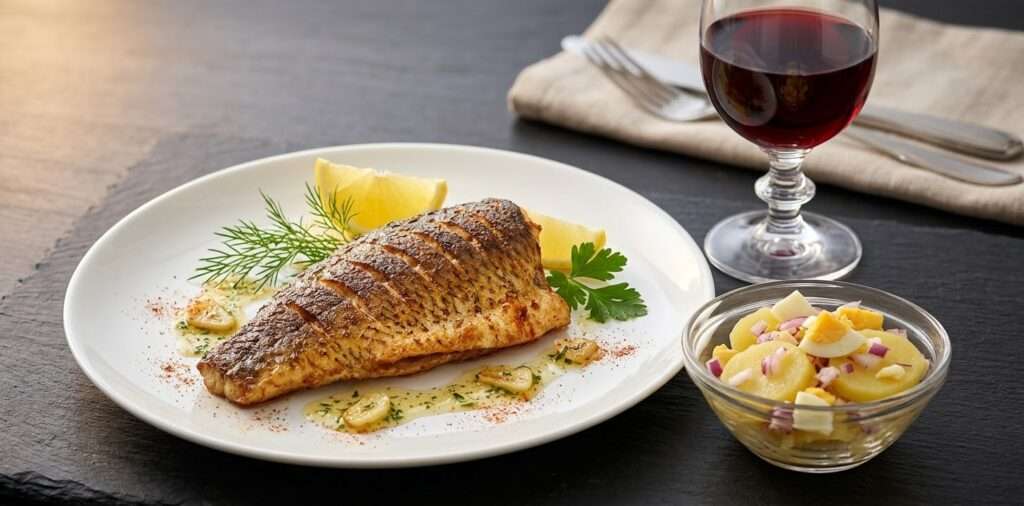
In various European culinary traditions, farm-raised or legally harvested carp is prized as a hearty, flavorful fish. The meat is firm, rich, and mild when prepared properly with aromatic herbs and citrus. Controlled baking ensures the flesh stays moist, tender, and delicious.
Kitchen Preparation and Seasoning
To prepare this dish, obtain one fresh, scaled, and thoroughly cleaned carp fillet (skin-on). Ingredients needed: 60g softened unsalted butter, 3 finely minced garlic cloves, 1 tablespoon fresh lemon juice, 1 teaspoon paprika, sea salt, cracked black pepper, fresh dill, and sliced lemons.
Oven Baking Instructions and Temperatures
Preheat your baking oven to 190°C (375°F). Line a baking dish with aluminum foil and lightly coat with olive oil. Pat the c fillet thoroughly dry with paper towels. Rub both sides of the fillet evenly with sea salt, black pepper, and paprika. Mix the softened butter, minced garlic, lemon juice, and chopped dill in a small bowl, then spread the herb butter mixture generously over the top of the carp fillet. Top with fresh lemon slices.
Cooking Duration and Internal Temperature
Place the baking dish in the preheated oven and bake uncovered for 22 to 25 minutes. Ensure the internal temperature of the carp fillet reaches precisely 63°C (145°F) on a digital meat thermometer, where the meat flakes easily with a fork. Remove from the oven, allow it to rest for 3 minutes, garnish with fresh parsley, and serve hot alongside roasted potatoes.
Potato Salad : Tradition and Recipe
Potato salad is the quintessential companion to fish dishes across Central and Eastern Europe. Originating as a staple in Austrian, Czech, and South German culinary traditions, this classic side dish was created to complement rich, flavorful fish like carp. The acidity of the vinegar and red onion cuts through the natural oils of the fish, while the creamy texture of boiled potatoes creates a perfectly balanced bite.
Ingredients
- 1 kg wax potatoes (boiled in their skins)
- 1 large red onion (thinly sliced)
- 3 hard-boiled eggs (sliced)
- 4 tbsp olive oil or sunflower oil
- 2 tbsp apple cider vinegar or white wine vinegar
- 1 tsp Dijon mustard
- Salt and freshly ground black pepper to taste
- Fresh parsley (chopped, for garnish)
Preparation Instructions
- Boil and Peel the Potatoes: Place the unpeeled potatoes in a large pot of salted water. Boil until tender (about 20–25 minutes). Drain, let them cool slightly, then peel and slice them into round disks.
- Prepare the Dressing: In a small bowl, whisk together the oil, vinegar, Dijon mustard, salt, and black pepper until well emulsified.
- Combine Ingredients: In a large serving bowl, gently toss the warm sliced potatoes with the thinly sliced red onion and the prepared dressing. Allowing the potatoes to absorb the dressing while warm enhances the flavor.
- Add Eggs and Finish: Carefully fold in the sliced hard-boiled eggs so they maintain their shape.
- Chill and Serve: Garnish with fresh chopped parsley. Serve at room temperature or slightly chilled alongside your baked carp.
