Blog

  • Najbolje Varalice za Štuku: Brutalan Vodič za Ulov Koji Ne Prašta (Gde, Kada i Kako Bacati)

    Najbolje Varalice za Štuku: Brutalan Vodič za Ulov Koji Ne Prašta (Gde, Kada i Kako Bacati)

    Najbolje Varalice za Štuku: Brutalan Vodič za Ulov Koji Ne Prašta (Gde, Kada i Kako Bacati)

    Štuka je kraljica zasede. Ako ne znaš šta bacaš, gde bacaš i kako vodiš varalicu, štuka će te gledati kao klovna dok prođeš pored nje. Zato ide vodič bez ulepšavanja – da znaš tačno šta radi, a šta je bacanje vremena.

    1. Šta štuka napada i kako razmišlja (da prestaneš da bacaš naslepo)

    Štuka je predator koji ubija iz zasede. Leži:

    u travi, pored potopljenih grana, uz trsku, na prelazima duboko–plitko, u senkama i rupama.

    Ako u vodi ima zaklona, ima štuke. Ako bacaš na otvorenu vodu bez strukture – gubiš vreme kao amater.

    2. Najbolje varalice za štuku (TOP 6 koje rade svuda)

    1. Meps Aglia/Long br. 3 i 4

    Da, klasični leptir. Možda misliš da je staro — radi brutalno.

    Štuka voli vibraciju i odsjaj, pogotovo u mutnoj vodi.

    Gde radi: plitko, uz travu, uz obalu.

    Kako vodiš: ravnomerno, bez filozofiranja.

    2. Silikonce 10–15 cm (shadovi, twisteri)

    Ovo je hleb i mleko za štuku.

    Boje koje najviše ubijaju: bela, motoroil, zelena.

    Gde radi: blatnjava voda, trska, rupe od granja.

    Kako vodiš: džigovanje, pauze, kratki trzaji.

    3. Rapala Husky Jerk / Shadow Rap

    Ako želiš da selektuješ krupniju – ovo je majka. Suspend wobbleri su smrtonosni.

    Gde radi: hladna voda, zima, rana jesen.

    Kako vodiš: povuci – pauza – povuci – pauza (pauza nekad 3–5 sekundi).

    4. Spinnerbait

    Ako ima puno trave i zaklona, ništa ne prolazi kroz haos bolje od spinnerbaita.

    Gde radi: jesen, mutna voda, ogromne trave.

    Kako vodiš: ravnomerno, povremeno kratko ubrzanje.

    5. Vobleri 10–14 cm (plivajući i tonući)

    Štuka voli krupno i agresivno.

    Najbolje vrste: Salmo Slider, Rapala X-Rap, Savage Gear Freestyler.

    Gde radi: jezera, reke sa slabom strujom.

    Kako vodiš: jači trzaji, promena ritma.

    6. Kašike (klasične, S oblika)

    Kašika je jednostavna, ali štuka je obožava jer pravi jak bljesak.

    Gde radi: dubina, velike vode.

    Kako vodiš: sporo, ravnomerno.

    3. Koju varalicu koristiti po godišnjem dobu

    Proleće

    Silikonce Leptire Plići wobblere Štuka je tada agresivna, jede sve.

    Leto

    Spinnerbait Kašike Velike silikonce Povlačenje kroz trave, štuka stoji duboko u hladnijoj vodi.

    Jesen (najbolje vreme za kapitalke)

    Suspending wobblere Veliki shadovi Slideri Štuka se goji pred zimu, napada jače i veće.

    Zima

    Toned wobblere Silikonce 10–12 cm Spora prezentacija, duge pauze, ništa agresivno.

    4. Tehnike vođenja koje najviše pale

    1. Stop-and-go

    Povučeš 1–2 metra → zaustaviš → nastaviš.

    Štuka često udara baš u pauzi.

    2. Twiching

    Brzi trzaji vrhom štapa, idealno za wobblere i silikonce.

    3. Džigovanje

    Pusti da potone → podigneš → pustiš → podigneš.

    Ubitačno u hladnoj vodi.

    4. Plitko izvlačenje

    Držiš varalicu 30–50 cm ispod površine. Štuka voli da udari odozdo.

    5. Najbolja mesta za bacanje

    Ako pecaš na pogrešnom mestu, džaba najbolja varalica. Traži štuku na:

    trska + rupa u trski potopljena stabla ivice travnjaka senke drveća prelaz plitko-duboko uvale sa mirom

    Baci 3–5 puta na jedno mesto. Ako nema udara, pomeri se. Nemoj da glumiš panj 40 minuta.

    6. Oprema koju moraš imati da ne izgubiš ulov

    sajlica (obavezno) jaka mašinica (min. 0.30 najlon ili 0.18–0.22 pletenica) štap 2.40–2.70 m, težine bacanja 20–60 g dobar meredov klješta za otkačinjanje

    Ako ideš bez sajlice, zaslužuješ da ti svaki udarac preseče predvez.

    7. Najčešće gluposti koje unište pecanje

    prebrzo vođenje varalice pecanje u pogrešno vreme (podne, sunce u glavu) pecanje bez strukture previše menjanja varalica na svakih 30 sekundi povlačenje kroz čistu vodu bez ijednog zaklona tanki najlon nema pauze u vođenju

    Štuka neće juriti kao som. Ona čeka, pa napada kad varalica deluje ranjeno.


  • Hello world!

    Welcome to WordPress. This is your first post. Edit or delete it, then start writing!

  • Wild Water Prussian Carp Fishing: Tactics, Rigs, and Secret Baits for Big “Babuška”

    Wild Water Prussian Carp Fishing: Tactics, Rigs, and Secret Baits for Big “Babuška”

    The Prussian carp, locally known in the Balkans as Babuška, is one of the most resilient, stubborn, and hard-fighting fish you can encounter in wild rivers, canals, and flooded backwaters. While small babuška can be caught easily, targeting the old, smart specimens—fish that weigh over 1 to 1.5 kilograms—demands deep tactical knowledge. These larger fish are incredibly cautious, selectively feeding on specific spots and easily spooked by clumsy setups.
    If you want to unlock the secrets to catching large, wild Prussian carp, you need to master your bait mechanics, use stealthy rigs, and target the right underwater structures.
    1. Swim Selection: Finding the Wild Babuška
    Wild Prussian carp are masters of adaptation, but they absolutely prefer heavy cover and slow-moving or stagnant water. They are rarely found in the main, fast river currents. Look for them in these precise locations:
    River Backwaters and Oxbow Lakes: Areas where the main river cuts into quiet, deep bays filled with lily pads, reeds, and sunken branches.
    The Reed Line on Canals: Deep drainage canals with slow movement are prime babuška territory. Large fish will patrolled mere inches from the thick reed walls.
    Submerged Vegetation Bars: Underwater grass beds and soft, muddy bottoms where they can dig for bloodworms, snails, and insect larvae.
    2. Groundbait Strategy: Pungent Aromas and Cloud Mechanics
    Babuška has an incredibly sharp sense of smell and is highly attracted to distinct, sweet, or heavily spiced food trails.
    The Scent Profile: Unlike common carp which love heavy fruity smells, large wild babuška are addicted to garlic (beli luk), honey (med), and hemp. Adding garlic powder or liquid honey additive to your river groundbait can trigger an instant feeding frenzy.
    The Mechanics: In static or slow-moving water, your groundbait needs to create an attractive, active cloud near the bottom without rising too high into the water column (which would attract tiny bleak and roach). Use a sweet, medium-textured base mixed with yellow or red breadcrumbs (pupa/colored crumbs) to visually hold the fish on the bottom.
    The Mud Factor: Prussian carp love digging in soft silt. Mixing a small amount of sweet, damp black soil into your groundbait mimics a natural feeding ground and encourages the large fish to lock onto the spot.
    3. Precision Rigs: Sensitivity is Key
    Large babuška can be incredibly delicate biters. They will often pick up a bait, hold it in their mouth without moving, or subtly drop it if they feel the slightest tension from a heavy line or lead.
    A. The Method Feeder Setup (The Silt King)
    The Feeder: A flatbed Method Feeder (30g to 50g) is deadly on wild canals and backwaters. It sits perfectly on top of soft mud or weed beds without sinking into the muck.
    The Hooklength: Keep it short—8cm to 10cm of supple braided line or strong fluorocarbon.
    The Bait Presentation: Use a mini pop-up boilie, a wafter, or 2 grains of artificial corn on a hair rig (Size 10 or 12 hook). When the babuška sucks in the small pile of groundbait packed on the feeder, the critically balanced bait flies straight into its mouth.
    B. The Traditional Waggler / Float Rig
    The Setup: A sensitive, slim crystal waggler float (3g to 5g) attached to a match rod.
    Plumb to Perfection: Large babuška feed strictly on the bottom. Your rig must be plumbed so that your hook and the last tiny dropper shot (No. 8 or 10) are resting dead on the mud. When a fish lifts the bait, the float will lift out of the water (the classic “lift method” bite), which is your cue to strike instantly.
    4. Secret Baits That Never Fail
    While maggots work everywhere, large babuška often ignore them if small silverfish are raiding the spot. To target the giants, try these classic, elite baits:
    The Garlic Bread Crust: Fresh, soft white bread kneaded into a dough and infused with a heavy dose of natural garlic powder.
    The Red Worm Cocktail: Two small, lively dung beetles or red worms hooked through the middle, leaving the ends wriggling aggressively on the bottom.
    Sweet Canned Corn: A single grain of sweetcorn on a fine wire hook, lightly crushed with your fingers to release the sweet milk inside the water.

  • Wild Fast-River Barbel Fishing: Heavy Feeder Gear, Cheese Groundbait, and Rigs

    Wild Fast-River Barbel Fishing: Heavy Feeder Gear, Cheese Groundbait, and Rigs

    The barbel (Mrena) is the undisputed powerhouse of fast-flowing rivers. Built like a muscle-bound submarine with a hydrodynamic shape and thick fins, this fish lives in the strongest currents and oxygen-rich rapids. Hooking a wild river barbel is not an ordinary fishing experience—it is a brutal, high-octane battle that tests the absolute limits of your tackle.
    To conquer these river monsters in heavy currents, you need specialized heavy feeder gear, an aroma they cannot resist, and rock-solid rigs.
    1. Heavy Feeder Gear: Power and Durability
    Standard carp or commercial feeder rods will simply snap or fold under the pressure of a fast river and a runaway barbel. You need specialized heavy-duty artillery.
    The Rod: Look for a heavy or extra-heavy (XH) feeder rod, typically 13 to 14 feet (3.90m to 4.20m) long, with a casting weight ranging from 120g to 180g+. The rod needs a stiff backbone to cast heavy leads into the current and pump massive fish against the flow, but with a sensitive carbon quiver tip (3oz to 5oz) to register bites in turbulent water.
    The Reel: A powerhouse reel is mandatory. Opt for a size 5000 to 6000 model with a tough worm-shaft gearing system, a high drag power (at least 10kg), and a reliable baitrunner or quick-drag system.
    Mainline: Use a high-abrasion resistance monofilament line (0.26mm to 0.30mm) or a heavy braided line with a long fluorocarbon shock leader. Barbel live among sharp rocks, gravel bars, and sunken logs, so your line must survive constant scraping.
    2. Cheese Groundbait: The Ultimate Barbel Magnet
    Barbel have an incredibly strong sense of smell, using the barbels around their mouths to detect food buried deep in the riverbed. In fast water, a weak scent trail gets washed away instantly. You need a pungent, heavy attractor.
    The Flavor Profile: Parmesan Cheese (Sir). Barbel are obsessed with the intense, salty, and savory aroma of cheese.
    The Mix: Start with a heavy, sticky river groundbait base. Add a high percentage of crushed halibut pellets, hemp seeds, and a massive amount of pure, grated Parmesan cheese powder or dedicated cheese-flavored additives.
    Binding and Weighting: Just like with silverfish, your bait must not wash away. Mix the groundbait with heavy river clay or sticky binders so it unlocks slowly on the bottom.
    The Secret Ingredient: Barbel are heavy feeders. Pack your feeder with plenty of live maggots, caster beans, and small 4mm halibut pellets. The current will slowly release these savory items downriver, guiding the fish straight up to your hook.
    3. Indestructible Barbel Rigs
    A barbel rig must be minimalist, highly stealthy, and incredibly strong. When a barbel picks up the bait, the bite is usually an aggressive, rod-bending smash.
    The Running Feeder / Safety Clip Rig
    The Feeder: Use heavy, clawed lead feeders or square metal cage feeders weighing anywhere from 80g to 150g, depending on the river’s speed. The feeder must sit perfectly still on the riverbed; if it rolls in the current, the barbel will get spooked.
    The Hooklength (Leader): Barbel are notoriously line-shy despite their aggression. Use a long (60cm to 100cm) hooklength made of high-quality, invisible fluorocarbon (0.22mm to 0.25mm). The long line lets the bait flutter naturally right in the scent cloud behind the stationary feeder.
    The Hook: Use an ultra-strong, forged, short-shank hook (Size 6, 8, or 10) with an in-turned point. Brands like Fox or similar heavy carp hooks are ideal. The wire must be thick enough not to bend when the fish bolts into the main current.
    4. Hook Baits and Tactic Execution
    The Best Baits: A bunch of 4 to 6 live maggots hooked through the skin, a big piece of specialized cheese-flavored canned meat (Luncheon meat), or a hard, pre-drilled cheese/halibut pellet mounted on a hair rig.
    High Rod Position: When fishing in fast water, place your rod high up on a stable, heavy-duty tripod or banksticks, pointing almost vertically toward the sky. This keeps as much line out of the water as possible, reducing the current’s drag on your line and preventing the feeder from moving.
    The Bite and the Fight: Barbel bites are unmistakable—the rod tip will violently slam down toward the water. Never leave your rod unattended without the baitrunner or drag loosened, or the fish will pull your entire setup into the river. When fighting, keep the fish’s head up and don’t let it dive into the shoreline rocks or sunken snags.

  • Wild River Coarse Fishing: Techniques, Groundbait Binding, and Swim Selection

    Wild River Coarse Fishing: Techniques, Groundbait Binding, and Swim Selection

    Catching silverfish (whitefish/coarse fish) like roach, bream, and silver bream on a wild, moving river is a dynamic and rewarding discipline. Unlike fishing in still waters, river fishing requires you to constantly battle the current, read the water column, and master the mechanics of your groundbait.


    To build a massive haul of river silverfish, you must select the right spot, prepare a groundbait that stays exactly where you want it, and adapt your technique to the river’s flow.
    1. Swim Selection: Reading the River
    On a wild river, silverfish look for spots that offer two things: safety from predators and an effortless supply of food brought down by the current. Look for these key areas:
    The Inside of River Bends: The current naturally slows down on the inside of a bend, causing food particles to settle. This is a prime holding area for large schools of bream and roach.
    The Crease Line (Current Edges): Look for the boundary where fast water meets slow water, often found behind bridge pillars, fallen trees, or stone groynes. Silverfish will sit in the slow water, waiting to dart out into the fast current to grab passing food.
    The Deep Sacks: Deep, slow-moving pools at the end of a gravel shallow are classic spots where river fish gather to rest and feed, especially during colder days or when the river is rising.
    2. Groundbait Mechanics: The Art of Binding and Weighting
    The biggest mistake river anglers make is using groundbait that washes away immediately. On a river, your bait must form a compact carpet on the riverbed directly in front of your hook.
    How to Mix and Bind River Groundbait
    The Base: Use a heavy, active river groundbait formula containing crushed hemp, sweet biscuit, and breadcrumbs.
    The Binder (Lepljenje): To stop the current from instantly tearing your bait balls apart, you must bind the mix. Use additives like PV1, collant (sweet binder), or heavy specialized river clays. The goal is to create dense, heavy balls that sink straight to the bottom and break apart slowly over 15 to 30 minutes.
    Adding Weight: For strong currents, mixing heavy river gravel (lepljena zemlja/river gravel) into your groundbait is essential. The stones keep the mix pinned to the riverbed, ensuring the current only carries away the small food particles, creating a perfect scent trail leading straight to your hook.
    Live Bait Integration: Always lock plenty of live bait inside your compressed balls—maggots, casters, and chopped worms are crucial for keeping larger river fish from leaving the swim.
    3. Top River Techniques: Float vs. Feeder
    Depending on the river’s depth and speed, two main techniques dominate wild water silverfish angling.
    A. The Float Approach (Bolo or Whip)
    The Setup: Using a long Bolognese rod or a heavy-duty whip allows you to control the line and run the float at the exact speed of the current.
    Float Selection: Use a pear-shaped or teardrop-shaped float with a thick antenna that can handle turbulent water without sinking.
    The Rig: Bulk your lead weights (sinkers) around the middle of the line to get the bait down fast, leaving a few tiny dropper shots near the hook link for a natural presentation as the bait sweeps over the bottom.
    B. The Feeder Approach (Cage and River Feeders)
    The Setup: A heavy-duty feeder rod with a sensitive quiver tip is perfect for long-distance river fishing or dealing with strong flows.
    Feeder Selection: Use claw feeders, heavy triangle cage feeders, or solid plastic blockend feeders (60g to 120g+) that lock onto the bottom and resist the current.
    The Hooklength: Use long fluorocarbon hooklengths (50cm to 100cm). A longer line allows your hook bait to flutter naturally in the current just behind the heavy feeder, which naturally triggers aggressive bites from cautious fish.
    4. Tactics for Maximizing the Catch
    Feed Constantly: River silverfish are highly competitive. If you stop feeding, the school will quickly move upstream or downstream looking for the source of the food trail. Throw a small, hard ball of groundbait or cast your feeder every 3 to 5 minutes.
    Change Bait Size for Bigger Fish: If small bleak or tiny roach are stealing your maggots on the drop, switch your hook bait to a bunch of dead maggots, a large piece of sweetcorn, or a cocktail of worm and corn to bypass the small fish and target the bigger bream waiting on the bottom.

  • Crawfish Trapping Secret: How to Catch Ultimate Live Bait and Delicacies

    Crawfish Trapping Secret: How to Catch Ultimate Live Bait and Delicacies

    Whether you want to harvest a delicious freshwater feast or catch the absolute best live bait for monster wels catfish, trapping crawfish (crayfish) is a bulletproof method. Crawfish are aggressive scavengers with an incredible sense of smell, but they are also cautious. If you don’t know how to set your trap and rig your bait, you’ll end up with an empty cage.
    Here is the complete guide to mastering the crawfish trap.

    Choosing the Right Trap
    To catch crawfish efficiently, you need a specialized mesh trap (often called a pot or creel).
    The Design: The best traps are cylindrical or accordion-style mesh cages with cone-shaped entry funnels on both ends. The crawfish easily crawl inside following the scent trail, but because the inner opening is narrow and suspended, they cannot find their way out.
    Mesh Size: If you are targeting larger crawfish for cooking, choose a wider mesh so the tiny ones can escape. If you need small to medium ones as live bait for catfish, use a tight, fine-mesh trap.

    The Best Bait: Fresh and Bloody Beats “Rotten”
    There is a common myth that crawfish only eat rotten, stinking meat. In reality, fresh bait with a strong, bloody scent works twice as fast.
    Fresh Baitfish: Cut a fresh roach, bream, or mackerel in half. Crushing the fish slightly allows the blood and natural oils to disperse rapidly in the current.
    Chicken Necks and Liver: Chicken parts are highly effective and cheap. Because chicken liver is soft and crawfish can tear it apart quickly through the mesh, put the liver inside an old nylon stocking before placing it in the trap.
    The Pro Secret: Toss a crushed clove of garlic into the trap along with your meat. Garlic acts as a massive scent enhancer underwater, drawing crawfish from long distances.

    Location and Strategic Placement
    Crawfish hate clean, open, sandy bottoms because it makes them easy targets for predators like catfish, pike, and bass.
    The Structure: Drop your traps close to the shoreline around sunken logs, tree roots, heavy rock piles, or steep clay banks where they dig their burrows.
    Depth: The ideal depth for trapping is between 3 to 10 feet (1 to 3 meters).
    Securing the Trap: The cage must rest completely flat on the river or lake bed. If you are fishing in a river with a current, put a heavy stone inside the trap so it doesn’t roll over. Tie the line securely to a tree root on the bank or to a marker buoy if you are operating from a boat.

    Timing is Everything
    Crawfish are strictly nocturnal. They spend the daylight hours hiding deep inside mud holes and under rocks, and they only come out to forage once darkness falls.
    Set your traps in the late afternoon or just before dusk, and check them early in the morning. If you leave them out during the day, small baitfish or turtles will steal your bait before the crawfish even wake up.

    💡 Handling Pro Tip: When removing crawfish from the trap, always pick them up from the back, right behind the claws (where the head meets the tail). They cannot bend their claws backward to pinch you from that angle, giving you total control.

  • Wild Water Grass Carp Fishing: Rigs, Baiting Strategies, and Fighting Tactics

    Wild Water Grass Carp Fishing: Rigs, Baiting Strategies, and Fighting Tactics

    Catching a wild Grass Carp (Amur) on big rivers or untamed lakes is the ultimate test for any angler. Unlike commercial ponds where they are used to fishing pressure and easy food, a wild grass carp is a cautious, powerful torpedo. When it hits your bait, it doesn’t just run—it tests your gear to the absolute limit.


    To land a wild giant, you need a precise strategy, heavy-duty baiting, and the right fighting tactics.
    1. The Baiting Strategy: Quantity and Consistency
    Wild grass carp are like underwater lawnmowers. They travel in schools and can clean out a bait spot in minutes. If you want to hold them in your zone, you cannot afford to be stingy with your loose feed.
    The Foundation: Fermented Corn. This is the undisputed king of grass carp bait. The strong, sour-sweet aroma of fermented corn travels fast in wild currents and drives them crazy.
    The Additions: Mix your corn with plenty of boiled hemp seeds, wheat, and high-protein pellets. Grass carp love sweet flavors, so adding liquid molasses, strawberry, or pineapple attractants to your mix is a massive plus.
    The Volume: For wild waters, you need to bait heavily. Start with 5 to 10 kilograms of particle mix per day on your spot, ideally for 2 to 3 days before you actually start fishing.
    2. Elite Rigs for Wild Amur
    Grass carp have an interesting mouth structure; their lips are tough, and they don’t suck in food the way a common carp does—they often “graze” and crush it with their pharyngeal teeth. Your rig needs to account for this.
    The Hair Rig with Pop-Up Corn (The “Snowman” or Balanced Setup)
    The Bait: Use 2 or 3 grains of artificial or boiled corn on a hair rig, balanced with a piece of yellow foam or a buoyant pop-up grain so that the bait hovers just a few millimeters above the bottom or rests critically balanced.
    The Hook: Use a deadly sharp, heavy-gauge wide gape hook (Size 2 or 4). The hook must be extremely strong because a wild amur’s mouth will bend weak wire instantly.
    The Lead Setup: A heavy inline lead or safety clip setup (100g to 130g) is essential. This weight ensures that when the fish closes its mouth and moves, the heavy lead drives the hook deep into its hard jaw automatically (the self-hooking effect).
    3. Location: Where to Find the Wild Torpedo
    Wild amur love cover and vegetation. Look for them in these specific areas:
    Extensive fields of water lilies, reeds, or submerged grass.
    Slow-moving river bays with fallen trees and overhanging branches (they love eating dropping leaves and willow seeds).
    Gravel bars adjacent to deep water where they come to feed during the night.
    4. The Fight: Taming the Underwater Explosion
    The way a wild grass carp fights is legendary, and this is where most anglers lose the fish.
    The Fake Surrender: When you hook a grass carp, it will often swim directly toward the bank with very little resistance. Many beginners think the fish is small or tired. Do not be fooled.
    The Bankside Explosion: The real fight begins the exact moment the amur sees the landing net or senses shallow water. It will explode into a violent, tail-thrashing run that can snap your line or break your rod tip in a split second.
    The Tactic: Keep your reel’s drag slightly loose as the fish approaches the net. Be ready to instantly release the spool if the fish makes a sudden, powerful dive. Never try to force a wild amur into the net on its first turn—let it run until it rolls on its side and gulps air.
    💡 Pro Tip for Wild Waters: Grass carp are extremely sensitive to noise on the bank. Keep your camp quiet, avoid shining flashlights directly onto the water at night, and keep your rods secure on heavy-duty banksticks or a stable rod pod.

  • Hooked on a Monster: Advanced Tactics for the Ultimate Swordfish Battle

    Hooked on a Monster: Advanced Tactics for the Ultimate Swordfish Battle

    Advanced Fighting Techniques
    Hooking a swordfish is only 10% of the job; landing it is where the real battle begins. These fish are known for their dirty tactics and incredible endurance.
    The Hookset: If you are using circle hooks, do not jerk the rod to set the hook. Instead, let the line go tight and reel rapidly. This ensures the hook slides to the corner of the fish’s mouth, preventing it from chewing through your leader.
    Managing the First Run: A hooked swordfish will often make a massive, violent run either straight down to the depths or directly up to the surface. Keep steady pressure, but don’t lock down the drag, or the line will snap.
    The Danger Zone (The “Slam”): Swordfish are famous for shaking their heads violently and using their bills to slash at the leader. When you feel this shaking, keep the rod tip high and maintain a smooth, constant bend in the rod to absorb the shock.
    Dealing with Jumps: If the fish breaches the surface and jumps, lower the rod tip slightly (“bow to the king”) to slacken the tension just enough so the fish doesn’t snap the line with its weight when it hits the water.
    The End Game: As the fish gets close to the boat, it will often start circling underneath. Use the boat’s engines to steer away from the fish and keep the line clear of the propellers. Never touch the leader with bare hands—always use heavy-duty fishing gloves.

    How to Rig a Swordfish Squid 

    Squid Rig
    Squid is the ultimate swordfish bait, but it must be rigged perfectly so it doesn’t spin in the current or get torn apart by smaller fish.
    Step 1: Prep the Squid: Choose a large, fresh or high-quality frozen squid (10 to 14 inches long). Clean out the guts carefully, but leave the head and tentacles attached.
    Step 2: Inserting the Hook: Run your heavy-duty stitch needle and leader through the top of the mantle (the tip of the squid’s cone) and slide a large 10/0 or 11/0 hook down inside the body. The hook bend and point should protrude neatly from the bottom near the tentacles.
    Step 3: Securing the Bait (Bridling): Use waxed dental floss or rigging twine to stitch the top of the squid’s mantle tightly around the leader. This prevents water from entering the body and blowing the bait apart while trolling or drifting.
    Step 4: Securing the Head: Run a stitch through the eyes and head of the squid, securing it directly to the hook shank. This ensures the tentacles stream naturally behind the hook and don’t bunch up.
    Step 5: The Finishing Touch (The Skirt): Slide a rubber or plastic “squid skirt” down the leader right over the tip of the squid’s mantle. This protects the bait from water friction and adds extra color or glow to attract the predator.
    💡 Pro Tip: A poorly rigged squid will spin like a propeller in the water, twisting your line into a massive knot and scaring away the swordfish. Always drop the rig next to the boat first to check its action—it should swim completely straight.

  • Mastering the Gladiator: The Ultimate Guide to Swordfish Fishing

    Mastering the Gladiator: The Ultimate Guide to Swordfish Fishing

    What Do Swordfish Eat? (Čime se hrane?)

    Swordfish are opportunistic apex predators. Because they can dive to extreme depths and also hunt near the surface, their diet is quite diverse:
    Squid (Lignje): This is their absolute favorite food.
    Fish: They hunt a variety of open-ocean fish, including mackerel, barracuda, silver hake, herring, and bluefish.
    Deep-Sea Prey: They also eat small tuna and even other smaller billfish.
    How they hunt: Unlike sharks, swordfish don’t bite their prey immediately. They use their powerful, sharp bill (sword) to slash at schools of fish or squid, stunning or injuring them before swallowing them whole.

    How Do They Live?
    The Lone Wolves: Swordfish are solitary animals. You will rarely find them traveling in schools.
    Deep Divers: They spend their days in the pitch-black depths of the ocean (down to 2,000feetor more) and migrate to the upper water column at night.
    Biological Superpowers: They are ectothermic (cold-blooded), but they have a special heating organ next to their eyes and brain. This keeps their vision incredibly sharp in the freezing, dark depths, giving them a massive advantage over their prey.
    Keeping Your Catch: Size and Bag Limits
    Florida, Mediteran ili Atlantik
    SAD i Atlantik: Minimalna veličina je 47 inc mereno od vilice do račvanja repa (LJFL – Lower Jaw Fork Length). Sve što je manje od toga se mora pustiti.
    Bag Limit: Usually, it is allowed to keep only 1 fish per person, or a maximum of 4 fish per boat per day.


    The Ultimate Record: The Heaviest Swordfish Ever Caught
    The World Record:  Louis Marron.
    The Catch: 1953.in  Iquiquea (Čile) inposible  1,182 funti !
    The Fight: The battle with this sea monster lasted for nearly two hours, and to this day, the record has never been broken on a regular rod and reel.

    💡 Pro Tip: Patience is key. Swordfish fishing requires hours of waiting, but the thrill of hooking a true “Gladiator” makes every second worth it!

    This section covers the battle and the rigging. If you want to learn about the gear, locations, and day vs. night techniques, check out my separate, dedicated guide: Hooked on a Monster: Advanced Tactics for the Ultimate Swordfish Battle

    Bistro!!!

  • Bluefin Titans: The Ultimate Guide to Catching Monster Tuna in the Adriatic

    Bluefin Titans: The Ultimate Guide to Catching Monster Tuna in the Adriatic

    If swordfish is the “Gladiator of the Sea,” then the Bluefin Tuna is the undisputed heavy-weight champion. It is a biological masterpiece—pure muscle, built like a torpedo, and capable of reaching speeds up to 43 mph (70 km/h).

    For your international audience looking to experience the best of Balkan saltwater fishing, the Adriatic Sea is one of the premier global hotspots for giant Bluefin Tuna. Here is everything you need to know to hook, fight, and land these ocean freight trains.

    Where to Find Them
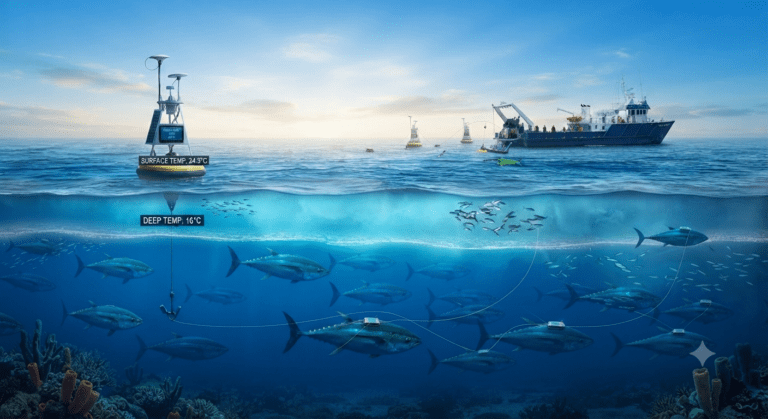
    While Bluefin Tuna migrate across the Atlantic and Pacific oceans, the Mediterranean and specifically the Adriatic Sea are legendary breeding and feeding grounds.
    The Adriatic Hotspots: The waters off the coast of Istria (Rovinj, Poreč), Middle Dalmatia (Split, Vodice, Jezera on the island of Murter), and down toward Montenegro (Budva, Bar) are world-famous.
    The Terrain: Tuna love deep drop-offs, underwater canyons, and offshore islands where strong currents push baitfish (like sardines and mackerel) against underwater structures.


    Diet and Hunting: What Makes Them Tick?
    Tuna are voracious eaters with incredibly high metabolisms.
    The Diet: They primarily feed on small oily fish—sardines, anchovies, mackerel, and squid.
    The Eyesight: Tuna have exceptional vision. If your leader is too thick or your hook presentation looks unnatural, a big tuna will spot it instantly and skip your bait.


    How to Catch Them: Top Tactics
    To target giant tuna, commercial and sport charters use two main techniques:
    Method A: Drifting and Chumming (Chumming / Chunking)
    This is the most effective and widely used method in the Adriatic.
    The Slick: The boat drifts naturally while you constantly throw chopped pieces of fresh sardines into the water. This creates a kilometers-long scent trail (a “chum slick”) that attracts tuna from miles away.
    The Presentation: You drop 3 to 4 rods at different depths within that chum slick. One bait is placed right inside the floating chunks, usually weighted down subtly.
    The Bait: A whole, fresh sardine or mackerel rigged on a razor-sharp 8/0 to 10/0 circle hook.
    Method B: Trolling (Panula)
    Using heavy offshore rods, you troll artificial lures (like plastic squids, feathers, or deep-diving plugs) or rigged dead baitfish at speeds between 5 to 9 knots. This method covers a massive amount of water to locate active schools.


    Heavy Artillery Gear
    Do not bring light tackle to a tuna fight. You need industrial-grade equipment:
    Rods: 50-to-130-lb class heavy-duty trolling rods with roller guides.
    Reels: Massive conventional reels (like Shimano Tiagra 50W or 80W, or Penn International) with top-tier drag systems.
    Line: 80-to-130-lb braided line or high-vis monofilament, tipped with a stealthy, high-grade fluorocarbon leader (100-to-150-lb test) to fool their sharp eyes.

    The Ultimate World Record
    The Monster: The official IGFA all-tackle world record for an Atlantic Bluefin Tuna is mind-boggling.
    The Catch: On October 26, 1979, an angler named Ken Fraser caught a giant Bluefin in Aulds Cove, Nova Scotia, Canada.
    The Weight: The beast weighed an incredible 1,496 pounds (exactly 678.5 kilograms)!
    The Fight: Remarkably, Fraser managed to bring this absolute titan to the boat in just 45 minutes, a legendary feat of angling strength and skill.

    The “Something Extra”: A Forgotten Tuna Secret (Seti se još nečega)
    Here is a massive insider tip for your blog that many beginner anglers forget: Watch the birds and the dolphins.
    🌊 The Indicator Strategy: In the Adriatic, you are not just looking at your sonar/fishfinder. You must scan the horizon with binoculars. Look for flocks of seagulls and terns diving violently into the water.
    Below those birds, dolphins or smaller predators are pushing schools of sardines up to the surface. Where there is a massive bait ball panic, giant Bluefin Tuna are almost always underneath it, blasting through the middle like missiles. If you see birds diving, steer your boat toward the action immediately, shut down the engines, and start chunking.


    💡 Pro Tip: When a giant tuna hits your bait, it doesn’t just bite—it explodes. The initial run can strip 300 yards of line off your reel in a blink of an eye. Keep your cool, let the drag work, and never underestimate their stamina!

  • Kako pecati belu ribu na reci: Tehnike, lepljenje hrane i izbor pozicije

    Kako pecati belu ribu na reci: Tehnike, lepljenje hrane i izbor pozicije


    Pecanje bele ribe – gde spadaju bodorka, krupatica, nosara (šljivar), crnooka deverika i krupan keder – predstavlja osnovu ribolovačke kulture na Balkanu. Iako mnogi ovo pecanje smatraju “usputnim”, uspešan ribolov na velikim, brzim rekama zahteva vrhunsko poznavanje hidrodinamike, hemije prihrane i mikrosistema.
    Kako “pročitati” rečni tok?
    Reka konstantno pomera dno i nosi hranu. Bela riba se nikada ne nalazi u najbržoj matici jer troši previše energije na plivanje, ali nije ni u potpuno stajaćim, zamuljenim zonama gde nema kiseonika.
    Idealna topografija: Tražite prelaze sa plićeg spruda u dublju jamu (tzv. stepenike).
    Strujanje: Mesta gde se spajaju dve struje (npr. vrh rečnog ostrva – ade) ili zone iza kamenih napona (šporova) gde se stvaraju mikro-vrtlozi. Tu voda usporava, a hrana se prirodno taloži.
    Hemija prihrane: Kako pobediti brzu vodu
    Najveća greška početnika je korišćenje lagane, jezerske hrane na rekama kao što su Dunav ili Sava. Takvu hranu voda odnese za 30 sekundi, a vi završite tako što hranite ribu ribolovcu koji sedi 50 metara nizvodno od vas.

    KomponentaUloga u rečnoj hraniProcenat u miksu
    Teška rečna zemlja/glinaOtežava kugle, spušta ih na dno i usporava otvaranje30% – 50%
    Hlebne mrvice (Prezle)Glavna zapremina i vezivna moć20%
    Pasterizovani keks (TTX)Daje težinu, slatkoću i visoku energetsku vrednost15%
    Živi mamci (Crvi/Gliste)Drže jato na mestu, sprečavaju ribu da ode10%

    Tehnika lepljenja: Hranu navlažite u tri navrata u razmaku od po 15 minuta kako bi svaka čestica upila vodu i postala teška. Kugle moraju biti tvrde kao kamen. Kada ih bacite u vodu, one moraju pasti tačno ispred vas i početi da se otapaju tek nakon 5-10 minuta na dnu.
    Izbor tehnike: Bolonjeze vs. Feeder

    Feeder Štap ]  ── Najlon ── [ Klizni Feeder link sa hranilicom ] ── Virbla ── Predvez (0.12mm) ──  [ Crvići ]

    Bolonjeze (Plovak): Koriste se štapovi dužine 5 do 6 metara. Plovak mora biti kruškolikog oblika (težine 3 do 6g u zavisnosti od brzine struje). Ključ je u kočenju plovka – tokom vožnje, lagano zatežite najlon štapom kako bi mamac išao malo ispred plovka i lagano se podizao sa dna, što provocira udarac.
    Feeder tehnika: Koristite Kavezne (Cage) ili Mrežaste hranilice sa otežanjem na dnu. Predvezi moraju biti dugi – od 60do 100cm. Što je voda bistrija i riba opreznija, predvez ide duži i tanji (0.12mm} najlon, udica veličine 16 ili 18).