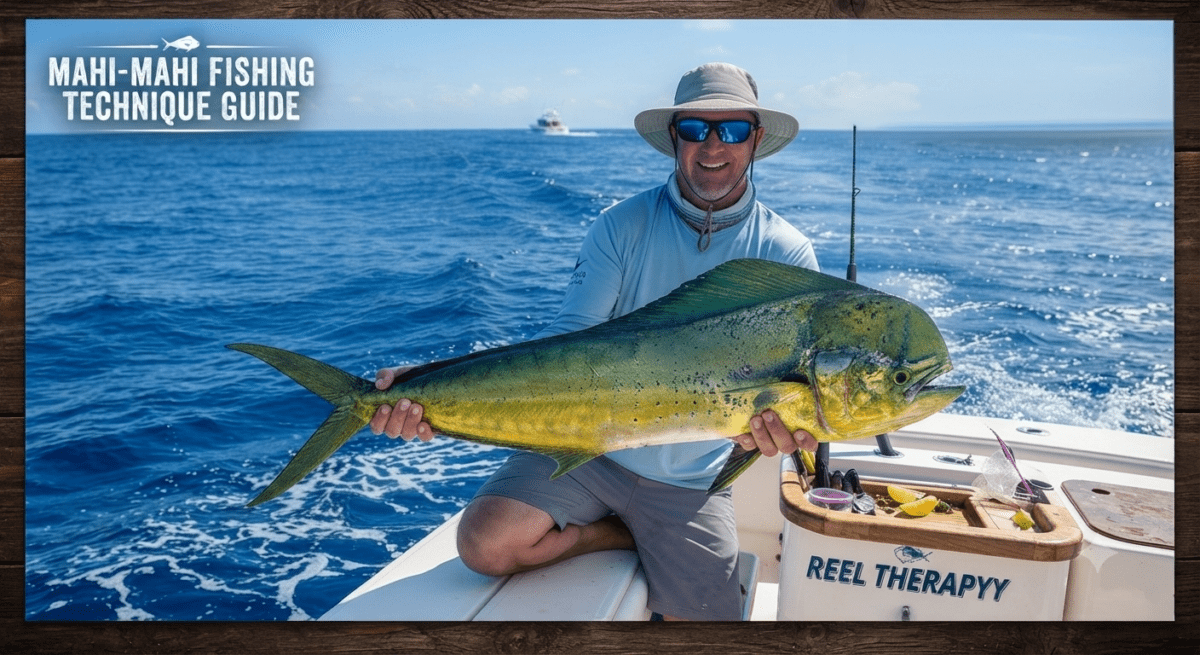
Mahi Mahi Guide 2026: The Ultimate Secrets to Catching and Cooking a Flawless Fish
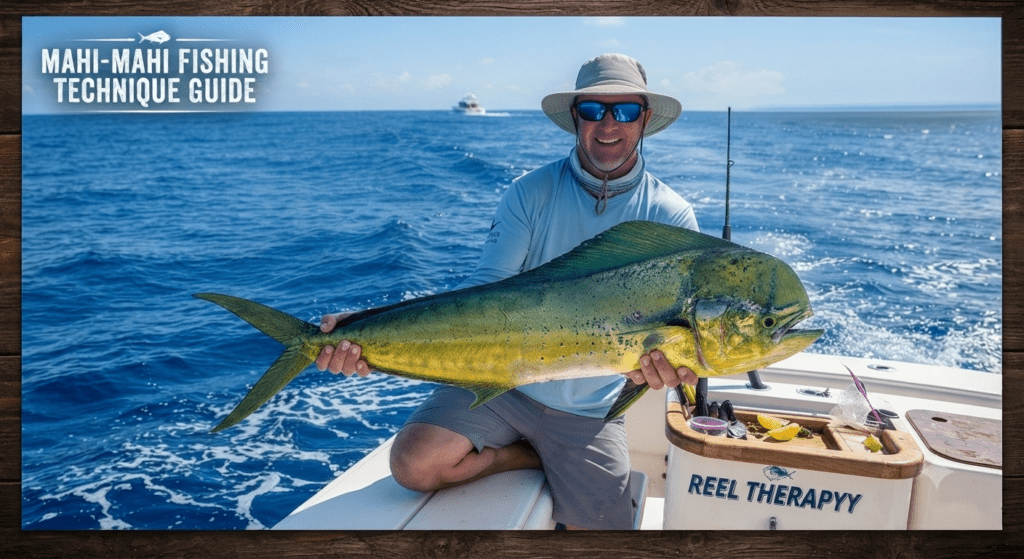
Mahi Mahi Guide 2026
also scientifically known as Coryphaena hippurus and often referred to as Dorado or Dolphin Fish, stands as one of the most iconic and sought-after game fish in the world’s temperate and tropical waters. Known for its brilliant iridescent colors—ranging from electric blues and greens to shimmering gold—the Mahi-Mahi is as much a spectacle to look at as it is a thrill to catch.
The Mahi Mahi belongs to the family Coryphaenidae.
The name “Mahi-Mahi” comes from the Hawaiian language, literally meaning “strong-strong,” a testament to the fish’s immense power and speed relative to its size. They are distinct from the mammalian dolphin (porpoise), which is a common point of confusion. Evolutionarily, they are a pelagic species, meaning they inhabit the open ocean rather than staying close to the shore or bottom, moving through vast distances in search of prey and ideal water temperatures.
Ecological Profile and Diet
Mahi-Mahi are voracious predators with a very high metabolic rate, which necessitates constant feeding. Their diet is diverse and opportunistic:
Small Baitfish: They feed heavily on flying fish, sardines, herring, and mackerel.
Crustaceans: Squids and various small crabs are staples in their diet.
Juveniles: They will even consume smaller members of their own species if food sources are scarce.
Because they grow rapidly—often reaching maturity within their first year—they need to consume massive amounts of calories, which makes them aggressive strikers when they see a potential meal.
Historical Discovery of Mahi Mahi
While indigenous populations in Hawaii and throughout the Pacific have known and harvested this fish for centuries, Western scientific documentation began in the 18th century. Carolus Linnaeus officially described the species in 1758. However, human interaction with this species dates back to the earliest oceanic voyagers, who relied on their predictable migratory patterns and abundance to sustain long-distance travel.
The Culinary Value of Mahi Mahi: Why It Is Highly Priz
The meat of the Mahi-Mahi is widely considered one of the finest among saltwater fish.
Texture: The flesh is firm and lean, making it ideal for grilling, searing, or blackened preparations because it holds its shape perfectly.
Flavor Profile: It has a mild, sweet, and slightly moist flavor that is not overly “fishy,” which makes it accessible to those who might be wary of stronger-flavored seafood.
Nutritional Benefits: It is an excellent source of lean protein, rich in Omega-3 fatty acids, and low in mercury compared to other large predatory fish.
Why Mahi Mahi Is Popular Among Anglers
The popularity of the Mahi-Mahi stems from a unique combination of factors:
Fighting Ability: When hooked, they are known for spectacular aerial acrobatics, jumping and tail-walking across the surface.
Visual Appeal: The way they change colors as they lose energy or are brought to the boat makes them highly photogenic.
Abundance: They are schooling fish; where there is one, there are usually many more, allowing for “multiple hookup” scenarios that get the adrenaline pumping.
Accessibility: While they are offshore fish, they are often found near floating debris, Sargassum weed lines, and FADs (Fish Aggregating Devices), making them relatively easier to locate than more elusive marlin or swordfish.
The World Record for Mahi Mahi : A Historical Catch
The IGFA (International Game Fish Association) world record for the largest Mahi-Mahi stands at an incredible 87 pounds (39.46 kg). This massive specimen was caught by Manuel Salazar in the waters of Papagallo Gulf, Costa Rica, in 1976. Catching a fish of this size is a rare feat, as most recreational catches typically fall within the 10 to 30-pound range.
Secrets to Catching Mahi-Mahi
Success in Mahi Mahi fishing comes down to observation and versatility.
1. understand the Structure of the Mahi Mahi
The “secret” to Mahi-Mahi is that they are “structure-oriented.” They love to congregate under floating objects. This includes:
Floating Debris: Wood, plastic, or logs floating in the current.
Weed Lines: Long lines of Sargassum seaweed provide shade for baitfish, which draws in the Mahi.
FADs: Man-made buoys or anchored rafts specifically designed to attract pelagic fish.
2. The “Keep One in the Water” Strategy for mahi mahi
This is the most critical secret among pros. When you hook a Mahi-Mahi, do not pull it into the boat immediately. Keep the fish in the water right next to the boat. The rest of the school will follow their hooked comrade to the boat. You can then continue to cast lures or live bait to the school, hooking one after another until the school moves on or loses interest.
3. Gear and Lures for Mahi Mahi
Trolling: Use skirted lures, feathers, or rigged ballyhoo. Mahi-Mahi are not shy; bright colors like pink, chartreuse, and blue/white are highly effective.
Spinning: Have a spinning rod rigged with a bucktail jig or a topwater popper ready. If you see a school near a piece of debris, casting a lure right into the middle of them almost guarantees an immediate strike.
Expert Tips from the Global Community
Aggregating wisdom from seasoned forum anglers, here is the collective expertise for landing the “Golden Rocket”:
Speed Matters: Mahi-Mahi are fast. If you are trolling, maintain a speed of 6 to 9 knots. If the bite is slow, don’t be afraid to increase speed to trigger their predatory instinct.
The Power of Chumming: If you find a school but they aren’t biting, cut up some baitfish and toss pieces into the water. This “chum slick” often drives them into a feeding frenzy.
Match the Hatch: If you see them feeding on small flying fish, use a lure that mimics the size and color of those flying fish.
Check the Eyes: When fishing a weed line, look for the fish’s eyes. They are often hiding just under the shadow of the weed, and their eyes are the first thing that gives them away.
Light Tackle Thrills: While heavy gear is used for trolling, if you find a school on topwater, switch to 20lb spinning gear. The fight on lighter tackle is exponentially more fun and rewarding.
Persistence: If you see a piece of floating debris that looks “fishy” but don’t get a bite on the first pass, circle back. Sometimes it takes a few presentations to annoy them into striking.
Mahi-Mahi remains the ultimate game fish for those who crave speed, color, and aggressive topwater action. Whether you are a beginner looking for your first offshore trophy or a seasoned veteran chasing the next record, the pursuit of the Mahi-Mahi is a foundational experience in the world of big-game fishing. Tight lines!
Introduction: The Allure of the Dorado
The Mahi-Mahi (Coryphaena hippurus) is the undisputed heartbeat of the offshore fishing experience. Renowned globally for its brilliant, iridescent colors that shift dramatically between electric neon green, deep cobalt blue, and vibrant golden yellow, it represents the absolute pinnacle of surface-level predatory power. Anglers from the Florida Keys to the tropical waters of the Pacific chase the “Golden Rocket” not just for its beauty, but for its unpredictable, high-octane nature. It is a fish that refuses to be tamed, offering spectacular aerial displays, tail-walking across the surface, and an unmatched fighting spirit relative to its body weight. Whether you are fishing the deep blue canyons of the Atlantic or the warm, current-heavy zones of the Indian Ocean, targeting Mahi-Mahi is an experience that tests both your mechanical gear and your intuitive understanding of the ocean’s layout.
Biological mahi mahi Classification and Taxonomic Status
The Mahi-Mahi occupies a fascinating and unique position within the marine ecosystem. Scientifically classified under the family Coryphaenidae, it is one of only two members of this family, distinguishing it significantly from all other pelagic species. The other member is the Pompano Dolphin (Coryphaena equiselis). Unlike tuna, marlin, or billfish, which are part of larger, more diverse genetic groups, the Mahi-Mahi has evolved as a highly specialized surface-dwelling predator. Its evolutionary trajectory has focused entirely on exploiting the top layer of the ocean, which allows it to thrive in environments that would be too competitive for other less specialized species.
Evolutionary History and Oceanic Dominance of mahi mahi
Derived from the Hawaiian word meaning “strong-strong,” the name Mahi-Mahi reflects its evolutionary success and biological resilience. Over millions of years, this species has mastered the open ocean by developing a hydrodynamic, streamlined body that minimizes water resistance. This physical design allows the fish to maintain explosive bursts of speed, which is necessary for ambushing prey in the vast, open water. Its evolutionary path has favored rapid movement, opportunistic feeding, and high-frequency migration, ensuring that the species remains dominant across nearly all the world’s tropical and subtropical latitudes.
Physiology and Rapid Growth Rates
The Mahi-Mahi is arguably the fastest-growing fish in the entire world, a biological feat that is essential for its survival in the open ocean. They often reach sexual maturity in as little as three to five months, and they can grow from a tiny fry into a 30-pound trophy in just a year or two under the right conditions. This rapid development creates a constant, insatiable need for high-protein, high-calorie intake. Because their bodies are growing so quickly, they are biologically hardwired to be aggressive. They cannot afford to be “picky” eaters; if they see a potential meal, they must strike immediately to fuel their growth. This is the primary reason why they are so responsive to artificial lures.
The Magic of Iridophores: A Visual Masterpiece
The vibrant, neon-like color shifts that you witness the moment a Mahi-Mahi is hooked are not a coincidence—they are a complex biological reaction. This is caused by specialized skin cells called iridophores. These cells contain reflecting platelets that shift based on the fish’s physiological state, angle of light, and level of excitement. When a Mahi-Mahi is hunting, it often glows with intense neon green. When it is agitated or fighting for its life, these colors shift to a deep, shimmering blue or metallic gold. This is not merely for human observation; it serves as a sophisticated communication tool to coordinate schools during feeding frenzies and, at times, as a tactical distraction technique to confuse their prey.
Ovo je prvih 5 stavki. Ako želiš da nastavim sa stavkama od 6 do 10, samo reci “piši dalje”.
Bull vs. Cow: Understanding Sexual Dimorphism for mahi mahi
To truly master Mahi-Mahi fishing, you must be able to distinguish between the sexes, as they exhibit distinct anatomical differences known as sexual dimorphism. Males, commonly referred to as “Bulls,” develop a prominent, vertical, and square-shaped forehead as they reach maturity. This creates an aggressive, blunt-headed profile that is highly prized by trophy hunters. Conversely, females, or “Cows,” maintain a much more rounded, aerodynamic head shape throughout their entire lifecycle. Identifying these traits is essential for ethical anglers; many professionals choose to release large, spawning females to protect the future population, while specifically targeting the larger, more aggressive Bulls for the dinner table.
Global Migration Patterns: The Nomad of the Seas
Mahi-Mahi are not territorial; they are true nomadic wanderers of the high seas. They travel thousands of miles across the Atlantic, Pacific, and Indian Oceans, strictly adhering to water temperatures between 75°F and 85°F. Their movement is fundamentally dictated by major ocean current systems. They often congregate where nutrient-rich, cool upwellings collide with warmer surface waters, as these intersections create the perfect conditions for baitfish to thrive. By studying oceanic charts and current flow, experienced captains can predict these movements and find schools that are actively feeding in the middle of otherwise vast, empty water.
The Comprehensive Diet: A Vicious Predator
As apex predators of the surface layer, Mahi-Mahi have an incredibly diverse and opportunistic diet. Their primary forage consists of fast-moving prey such as flying fish, sardines, mackerel, and various species of squid that inhabit the upper column. However, their hunger is such that they are not restricted to these staples. In scenarios where food is scarce, they have been observed practicing cannibalism, consuming smaller members of their own species to maintain their high-growth metabolism. This competitive, ravenous nature is the cornerstone of their existence, confirming their role as one of the most efficient predatory machines in the ocean.
Synchronized Feeding Frenzies
One of the most intense spectacles in marine biology is the Mahi-Mahi feeding frenzy. When a school locates a dense ball of baitfish, they do not strike individually; they coordinate their attacks with violent, synchronized precision. They use their superior speed to force the bait toward the surface, effectively trapping the prey against the boundary of air and water. This high-energy environment is where artificial lures, particularly those designed to mimic the erratic, panicked motion of injured baitfish, prove to be overwhelmingly effective compared to natural baits.
The Culinary Masterpiece: Why Chefs Covet It
Mahi-Mahi is widely considered the “gold standard” for table fare among saltwater species. Its meat is exceptionally firm, lean, and moist, which makes it incredibly versatile in the kitchen. Unlike other pelagic species that can have a heavy, oily, or “fishy” flavor profile, the Mahi-Mahi is mild, slightly sweet, and clean on the palate. This neutral yet pleasant profile allows the meat to absorb complex spices, marinades, and citrus glazes without being overwhelmed, cementing its status as a top-tier choice for world-class seafood chefs and home cooks alike.
Stavke 6-10 su spremne. Ako želiš da nastavim sa stavkama od 11 do 15, samo reci “piši dalje”.
Proper Bleeding and Preservation Techniques
Culinary excellence begins the exact second you pull the fish into the boat. To preserve the integrity of the texture and ensure the highest flavor profile, you must bleed the fish immediately by making a clean cut across the gills. This critical process allows the heart to pump the remaining blood out of the vascular system and away from the fillets. By performing this step, you ensure that the meat remains a pristine, translucent white and is completely free from any “gamey” or metallic aftertaste that often ruins lesser-handled catches. Once bled, it is imperative to ice the fish down immediately in a high-quality cooler to maintain the firm, moist quality that makes this species so desirable.
Locating Mahi Mahi: The Structure Rule
To maximize your efficiency on the water, you must stop fishing empty, open water blindly. Mahi-Mahi are inherently structure-oriented predators; they congregate under any floating object they encounter. This includes everything from massive, miles-long Sargassum weed lines to simple, solitary pieces of drift logs, plastic debris, or discarded pallets. These structures serve as their “home base” in the vast, featureless ocean, providing the necessary shade and cover for the smaller baitfish that the Mahi-Mahi hunt. By scanning the horizon for these debris clusters, you are essentially finding the baitfish, which in turn leads you directly to the predator.
The “Keep One in the Water” Secret
This is perhaps the single most important tactical secret for catching a full cooler of fish. When you hook a Mahi-Mahi, do not rush to pull it onto the deck immediately. Instead, keep the hooked fish swimming in the water right next to the side of the boat. The rest of the school is naturally curious and highly competitive; they will follow their hooked comrade to the surface and stay within easy casting range while they investigate the commotion. While the school is focused on the hooked fish, you or your crew can strip off another lure and cast directly into the school to hook their companions, often resulting in a “quadruple header” or multiple hookups in seconds.
Shadow Management: The Stealth Factor
Mahi-Mahi are intensely visual, wary hunters that are highly sensitive to their environment. If your boat’s shadow crosses over the school, they will immediately perceive it as a threat or a predator and will dive to deeper, safer, and much harder-to-target waters. To maintain your stealth advantage, you must always position your boat so that the sun is behind you or at your side, ensuring that no shadow falls over the area where the school is holding. Proper boat handling and approach angles are just as critical to your success as the lures you choose to put in the water.
Gear: The Professional Setup
To truly enjoy the fight, you should utilize balanced, high-performance spinning gear in the 20lb to 30lb range. This tackle is light enough to let the fish display its full range of acrobatic leaps, yet strong enough to handle a large Bull. For trolling applications, you should maintain a constant speed of 6 to 9 knots. Your lures must be brightly colored, using skirted feathers or lures in high-visibility combinations such as pink, white, and chartreuse. These colors are specifically chosen to trigger the fish’s predatory strike instinct, even in turbulent or cloudy water conditions.
Advanced Trolling Tactics for Trophy Bull Mahi Mahi
To consistently land trophy-sized Bull Mahi, you need to go beyond basic trolling. Focus on “speed and spread” management. Trolling at a slightly faster pace, between 7 to 9 knots, can trigger an aggressive strike from a large Bull. Utilize a spread that combines high-visibility lures with natural ballyhoo to mimic a fleeing school of baitfish. Pay close attention to current edges and color changes, as these are the highways for large Mahi. When you hook a big Bull, keep the boat in gear and maintain forward momentum to separate it from the school, making it easier to land.
Understanding the Life Cycle of the Dolphinfish
The life cycle of the Mahi-Mahi is one of the most fascinating in the ocean. These fish grow at an incredible rate, often reaching sexual maturity in as little as three to six months. Their rapid growth is fueled by a high-protein diet and constant movement. Understanding that their lifespan is relatively short—often less than five years—explains their high-energy, aggressive feeding nature. Tracking these stages helps anglers predict where Mahi will be at different times of the year, as they are constantly pushing to maximize their growth potential.
The Secret to Offshore Structure Fishing
Mahi-Mahi are highly attracted to floating debris, known as “FADs” (Fish Aggregating Devices). The secret to mastering offshore structure fishing lies in your approach. Don’t rush directly to the object; approach from the down-current side and keep your distance to avoid spooking the school. Use light tackle to cast live bait or soft plastics right next to the structure. By “picking off” the fish on the perimeter, you can keep the school calm and feeding around the structure for a much longer time than if you were to troll right through it.
Seasonal Migration Patterns of Mahi Mahi
Migration for Mahi-Mahi is driven by water temperature and food availability. They are constantly on the move, chasing temperatures between 75°F and 85°F. In many regions, this results in a predictable seasonal push. By studying oceanographic charts and satellite sea surface temperature data, you can anticipate when the Mahi will arrive in your local offshore waters. Following these “thermal highways” is the best way to ensure you are fishing where the fish are, rather than searching in empty water.
The Perfect Pan-Seared Mahi Mahi: From Fillet to Plate
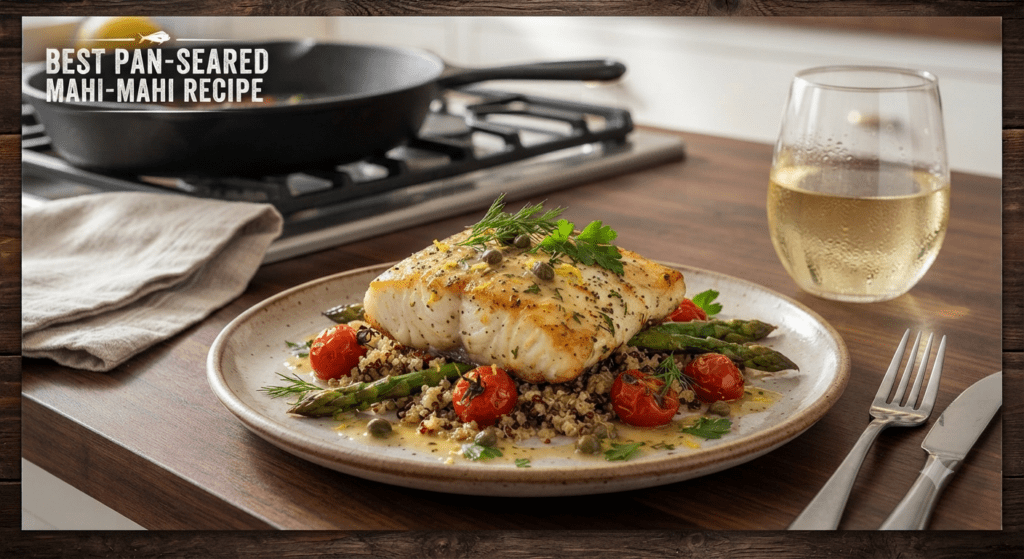
Elevate your catch to a gourmet experience with this foolproof pan-searing method. Start with a firm, skinless Mahi-Mahi fillet, pat it perfectly dry, and season generously with coarse sea salt and cracked black pepper. Get your cast-iron skillet screaming hot with a high-smoke-point oil like avocado oil. Place the fillet in the pan and hear that beautiful, intense sizzle—that’s the sound of a perfect crust forming! Sear for about 3–4 minutes per side without touching it, allowing the natural sugars to caramelize into a rich, golden-brown sear. Finish with a knob of cold butter, fresh garlic, a squeeze of lemon, and a sprinkle of capers. The result is a succulent, flaky, and buttery center that melts in your mouth, perfectly contrasted by that delicious, savory, crispy exterior. It is, quite simply, the ultimate way to enjoy the ocean’s finest prize.
Preparing the perfect mahi mahi requires attention to detail, from the initial drying to the final plating. Follow these 7 steps:
- Preparation and Drying: Start with a fresh, cleaned mahi-mahi fillet. The most important step is to completely dry the fillet with a paper towel on both sides. Moisture on the surface of the fish creates steam instead of a crust; a dry surface is the key to a perfectly seared crust.
- Seasoning: Just before searing, season both sides of the fillet generously with coarse sea salt and cracked black pepper. You can also add some dried oregano or lemon zest for an extra aromatic touch.
- The Pan: Use a cast-iron skillet or a high-quality heavy-bottomed pan that distributes heat evenly. Heat it over medium-high heat and add an oil with a high smoke point (avocado or grapeseed oil).
- The Sear: Carefully place the fish into the hot pan. Hear that intense sizzle! Do not touch it for 3–4 minutes. Allow the heat to create a rich, golden-brown crust. This caramelizes the proteins and locks the juices inside the fish.
- The Flip and Finish: Flip the fillet. Reduce the heat to medium and add a knob of cold butter, a clove of smashed garlic, and a sprig of fresh thyme. As the butter melts and foams, use a spoon to baste the fish with the fragrant butter for another 2–3 minutes. This process is called basting and gives the fish incredible succulence.
- Resting: Remove the fish from the pan to a plate or cutting board. Let it “rest” for about 2 minutes. This is crucial so that the juices redistribute evenly throughout the fillet. If you cut it immediately, the juices will run out and the fish will become dry.
- Plating: First, place a base of sautéed vegetables (such as quinoa with cherry tomatoes and grilled asparagus) on the plate. Carefully place the mahi-mahi fillet in the center. Drizzle it with the remaining butter from the pan used to sear the fish and sprinkle with a few capers and some fresh parsley for a perfect visual contrast and burst of flavor.
Your mahi-mahi is now ready to impress everyone at the table!