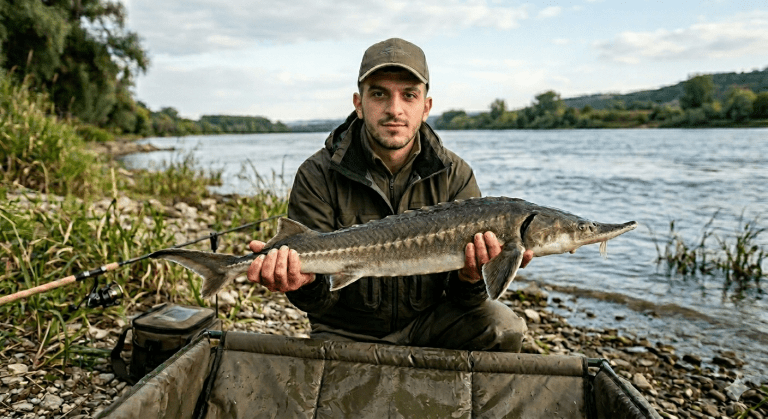
Prussian Carp Fishing: 2026 Top Tactics & Baits for Big Catches
Prussian Carp Fishing
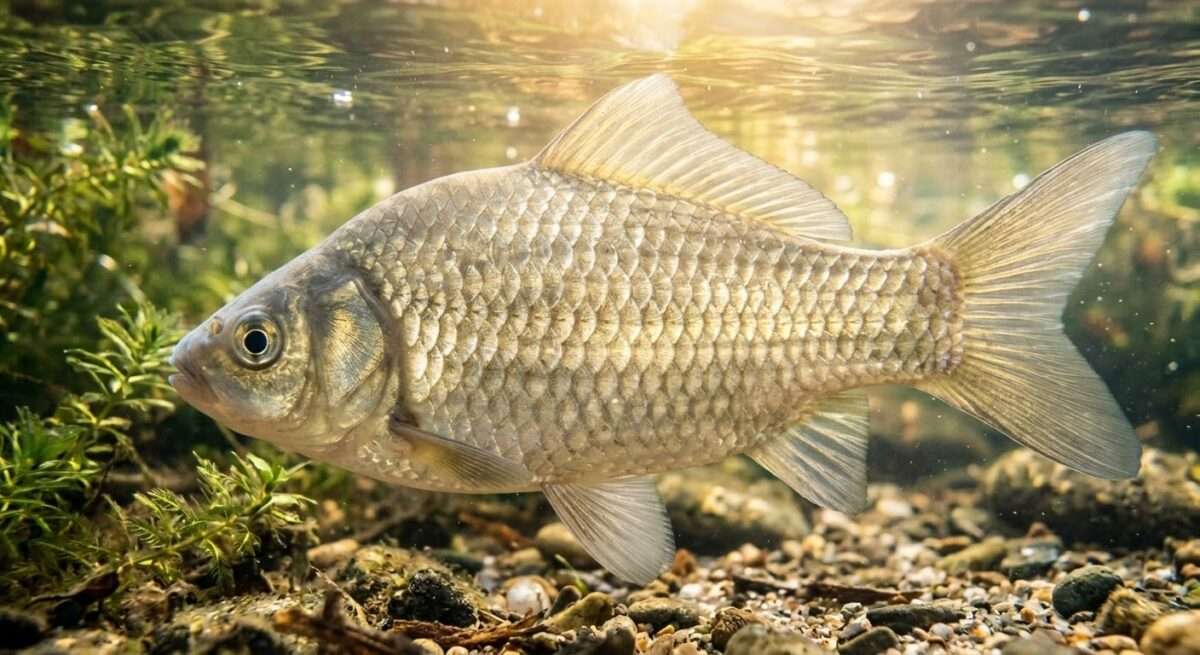
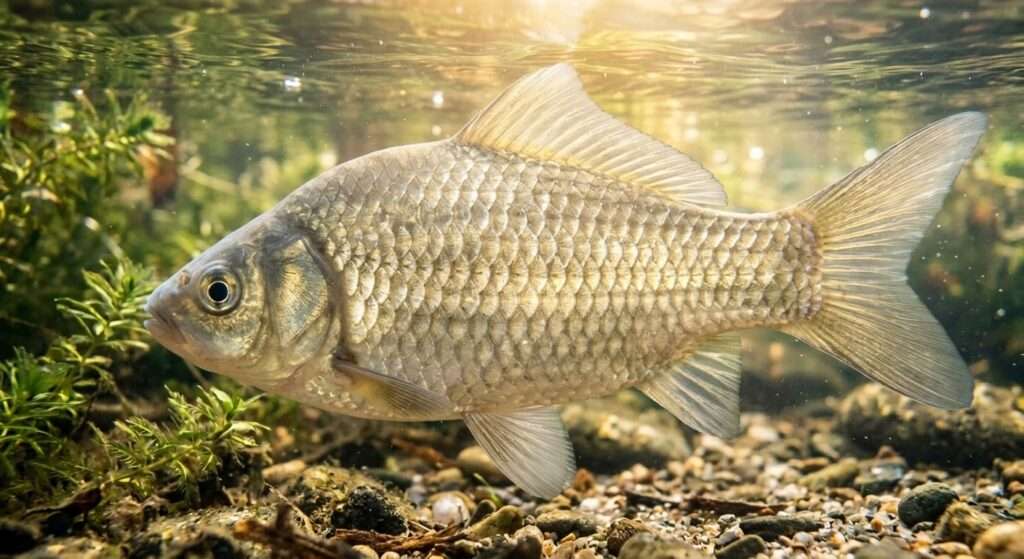
The Prussian carp (Carassius gibelio), often referred to as the silver crucian carp or babuška in many regions, is a resilient freshwater species originating from Central Asia and Siberia that has successfully expanded across European water bodies.
Celebrated for its remarkable adaptability and ability to thrive in sluggish, low-oxygen waters, this fish typically reaches lengths between 20 to 35 centimeters and weighs anywhere from 0.5 to 1.5 kilograms, though exceptional specimens in nutrient-rich lakes can top 2.5 kilograms. In terms of culinary value.
Prussian carp features sweet, firm white meat that is highly praised when fried crispy or prepared in traditional fish soups, although smaller specimens contain fine Y-shaped bones that require scoring the flesh before cooking.
Understanding and Targeting the Prussian Carp
To catch the Prussian carp consistently throughout the seasons, an angler must develop a comprehensive understanding of its behavior, habitat preferences, feeding mechanics, and response to environmental triggers.
How to Locate Prussian Carp in Wild Waters
Locating a shoal of Prussian carp requires analyzing water depth, vegetation density, bottom substrate, and current velocity across different body types.
Identifying Silt Beds and Reed Lines for Prussian Carp
Prussian carp spend most of their time hovering near soft, silty bottoms and heavy vegetation zones where aquatic invertebrates naturally multiply. Focus your search near dense reed lines, lily pad beds, and soft mud channels where these fish actively root for bloodworms and benthic organisms.
Locating Warm Water Shallow Bays for Prussian Carp
During early spring and sunlit afternoons, shallow bays that warm up faster than the main body of water attract large numbers of Prussian carp. These shallow zones provide high oxygen levels and abundant emerging insect life, making them top spots for fast action.
Reading Bubbles and Surface Activity of Prussian Carp
Careful observation of the water surface often reveals the exact location of a feeding shoal. Look for small, pin-point bubble trails rising continuously from the mud, along with murky water patches caused by Prussian carp disturbing the silty riverbed.
How to Hook and Strike Prussian Carp Effectively
Understanding the delicate biting habits of the Prussian carp is critical to turning cautious nibbles into solid hookups.
Recognizing Subtle Bite Patterns of Prussian Carp
Unlike aggressive predators or heavy river fish, the Prussian carp often produces delicate, hesitant bites on both floats and quiver tips. They frequently lift the bait off the bottom, causing float antennas to rise or rod tips to drop slacker rather than bending aggressively.
Timing the Hookset Perfectly for Prussian Carp
Striking too early often pulls the hook straight out of a soft mouth, while waiting too long allows the fish to feel the hook’s weight and eject the bait. Strike softly with a smooth wrist motion as soon as the float moves steadily sideways or dips below the surface.
Playing and Landing Prussian Carp Softly
The mouth tissue of a Prussian carp is notoriously soft, meaning aggressive pressure can tear the hook free near the bankside. Keep constant, gentle tension on the line and always use a fine-mesh landing net to scoop the fish cleanly out of the water.
Lunar Influence and Moon Phase Effects on Prussian Carp
Moon cycles exert a surprisingly strong influence on the feeding intensity and nocturnal movements of the Prussian carp.
New Moon Darkness Feeding Strategies for Prussian Carp
During a pitch-black New Moon, Prussian carp lose their daytime caution and move into extremely shallow water edges to feed aggressively. The absence of bright moonlight allows them to forage along open mudflats without fear of overhead predators.
Bright Full Moon Behaviors of Prussian Carp
Under a bright Full Moon, Prussian carp often become cautious in shallow water and retreat toward deeper channels or heavy weed cover. Adjust your tactics by fishing under the shade of overhanging trees or targeting deep bottom drop-offs during full moon sessions.
Transitioning Moon Phases for Prussian Carp
The three-day windows leading up to major lunar changes trigger noticeable feeding spurts in wild Prussian carp. Tracking lunar calendars enables anglers to plan their sessions precisely when gravitational shifts stimulate underwater invertebrate activity.
Float Fishing Tactics for Prussian Carp
Float fishing remains one of the most exciting and sensitive methods for catching Prussian carp in shallow lakes, ponds, and slow rivers.
Choosing Floats and Shotting Patterns for Prussian Carp
Select lightweight, sensitive match floats or slim pencil floats with fine carbon or fiberglass stems. Distribute small number 8 or 10 split shot down the line in a delicate shirt-button pattern to allow the bait to drop naturally through the water column.
Setting Depth and Lift Method Setups for Prussian Carp
Plumbing the exact depth is essential when float fishing for Prussian carp, as they feed almost exclusively on or just above the riverbed. Setting your float so the hookbait lightly rests on the bottom using a classic lift-method setup provides clear visual cues when a fish lifts the weight.
Margin Float Strategies for Prussian Carp
Feeding shoals often cruise within two meters of the shoreline along dense bankside vegetation during early morning hours. A delicate pole or float rig dropped silently into shallow margins can yield quick catches without spooking the school.
Ledgering and Bottom Rig Strategies
When targeting distance spots, deep channels, or windy lakes, bottom fishing rigs provide stability and precise bait delivery.
Setting Up Running Ledger Rigs
A free-running open-ended lead or small inline sinker setup allows cautious Prussian carp to pick up the bait without feeling immediate resistance from the main line. Combine this with sensitive rear bobbins or light line clips for accurate bite detection.
Feeder Rig Configurations
Using small cage feeders or open-end plastic feeders loaded with fine groundbait creates a concentrated feeding station on the riverbed. Keep your hooklength short (20cm to 30cm) so the hookbait sits directly next to the dispersed feeder contents.
Line Selection and Tension Adjustment
Opt for low-memory, neutral-density monofilament lines ranging from 0.16mm to 0.20mm to maintain direct contact with your bottom rig. Keep line tension light so wary fish do not feel excessive friction when moving away with the hookbait.
Method Feeder Mechanics
The method feeder has revolutionized commercial and wild lake angling for Prussian carp, delivering unmatched presentation and rapid bites.
Selecting Flatbed Method Feeders for Prussian Carp
Compact, flatbed method feeders ensure your groundbait and hookbait always land right-side-up on the silty bottom. Using a 15g to 30g feeder provides enough self-hooking weight while keeping the setup subtle and easy to cast.
Preparing Micro Pellets for Method Feeders
Soak 2mm high-quality micro pellets until they become tacky enough to mold firmly around the method feeder ribs. The pellets must stay intact during the cast but break apart within 60 seconds of hitting the lake bed to expose your bait.
Hair-Rigged Hookbaits for Method Feeder Setups
Pair your method feeder with short (8cm to 10cm) braided or fluorocarbon hooklengths featuring small hair rigs or bait bands. Using mini wafters, tiny pop-ups, or micro corn kernels creates an irresistible target directly on top of the pellet mound.
Hookbait Selection and Pairing
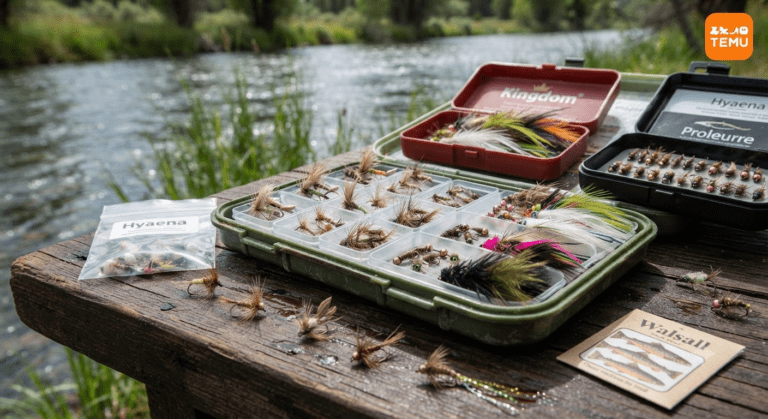
Having a diverse selection of natural and manufactured hookbaits ensures you can adapt quickly when Prussian carp become picky or cautious.
Natural Baits
Red worms, small dung worms, and lively maggots are timeless natural baits that trigger instant feeding responses from wild Prussian carp. Hooking two small maggots or a single pinched worm segment provides natural movement that entices big fish.
Sweet Corn and Canned Baits
Sweet canned corn kernels and small cubes of luncheon meat are excellent options when target waters are infested with small nuisance fish. The bright yellow visual marker of sweet corn stands out brilliantly against dark, silty lake bottoms.
Dough, Bread Paste, and Micro Wafters
Traditional sweet dough mixes, soft bread crusts, and modern 6mm flavored wafters excel in heavily pressured waters. Adding sweet vanilla, strawberry, or garlic scents to your paste baits frequently triggers bites from suspicious trophy specimens.
Groundbait Formulas and Feeding Strategies
Creating the right groundbait mix and managing your feeding frequency dictates how long a shoal of Prussian carp stays in your swim.
Fine-Grained Sweet Groundbait Formulations
Prussian carp respond best to fine-grained, low-feed groundbaits packed with sweet aromatics like marzipan, caramel, or cookie meal. The fine particles create an enticing cloud in the water column without filling up the fish too quickly.
Adding Particles and Darkening Clays to Groundbait
Mix small amounts of cooked hemp seeds, sweet corn, and live pinkies into your groundbait to keep fish hunting through the silt. In clear water, add dark river clay or black dye to match the bottom color so feeding carp feel safe over the bait carpet.
Calculating Bait Quantities and Feeding Frequency
To maximize catches without overfeeding the area, start your session with 3 to 4 ball-sized groundbait offerings. Afterward, top up the swim with small, precise amounts using a slingshot or feeder cage every 15 to 20 minutes to maintain feeding activity.
Forum Secrets and Community Hacks
Angling forums and local fishing communities offer practical, time-tested hacks that significantly improve catch rates on wild waters.
The Power of Garlic and Anise Additives
Community members consistently highlight garlic and aniseed extracts as top secret additives for Prussian carp. Soaking sweet corn or spraying maggots with garlic liquid creates a powerful scent trail that drives cautious fish into a feeding frenzy.
Scaling Down Terminal Tackle Size
A common piece of advice shared across forums is to scale down hook sizes and leader diameters whenever bites slow down. Dropping from a size 12 to a size 16 hook paired with a thin 0.12mm leader often doubles your catch rate in clear or pressured waters.
Pre-Baiting Micro Swims over Multiple Days
Forum veterans recommend pre-baiting a specific weed margin or channel drop-off with small amounts of boiled hemp and sweet corn for two days prior to your session. This builds absolute trust among local Prussian carp, resulting in fast, aggressive bites from the very first cast.
Hook Selection and Wire Gauges
Choosing the correct hook shape, wire thickness, and size prevents lost fish and maximizes hookup ratios across different techniques.
Optimal Hook Sizes
The best all-around hook sizes for targeting Prussian carp range from size 12 down to size 18, depending on bait size and clarity. Use size 12 for large corn or worm presentations, and scale down to fine size 16 or 18 hooks for delicate maggot and pinkie setups.
Choosing Hook Patterns and Coatings
Select wide-gape or crystal bend hook patterns that feature a slightly in-turned point for maximum holding power in soft mouth tissue. Matte black or bronze non-reflective coatings prevent bright sun flashes that might spook wary fish in shallow margins.
Fine Wire vs Heavy Wire Hooks
Fine-wire hooks excel when presenting delicate live baits like maggots without crushing them, ensuring maximum lifelike movement underwater. However, when fishing heavy weed beds or method feeders, step up to medium-gauge forged wire hooks to prevent bending under pressure.
Conclusion
Mastering the art of fishing for Prussian carp combines traditional watercraft, precise tackle adjustments, and strategic feeding techniques. Whether you choose delicate float fishing in shallow margins or high-precision method feeder tactics in deep channels, understanding local habitats, seasonal shifts, and subtle bite mechanics will transform your time on the water. By applying community-proven secrets, selecting optimal hook patterns, and respecting natural conditions like water clarity and moon phases, you can consistently enjoy memorable sessions targeting this hardy and rewarding freshwater species.
Effective Strategies for Deterring Prussian Carp and Targeting Wild Carp
When you want to focus exclusively on trophy wild carp, dealing with an aggressive shoal of Prussian carp can become a major challenge, as they often swarm the swim and intercept baits before the larger fish can move in. To avoid Prussian carp and select only wild carp, you must significantly scale up your bait size and presentation. Switch from small maggots and sweet corn to massive, hardened boilies or large tiger nuts that are too large for smaller nuisance fish to swallow.
Additionally, heavy pre-baiting with large particles rather than fine-ground mixes can help draw the wild carp in while discouraging smaller species from settling in the area.
If your goal is to exclusively target these river giants, you can learn more about specialized methods, seasonal locations, and optimal heavy-duty strategies in my detailed guide on how to catch wild carp.