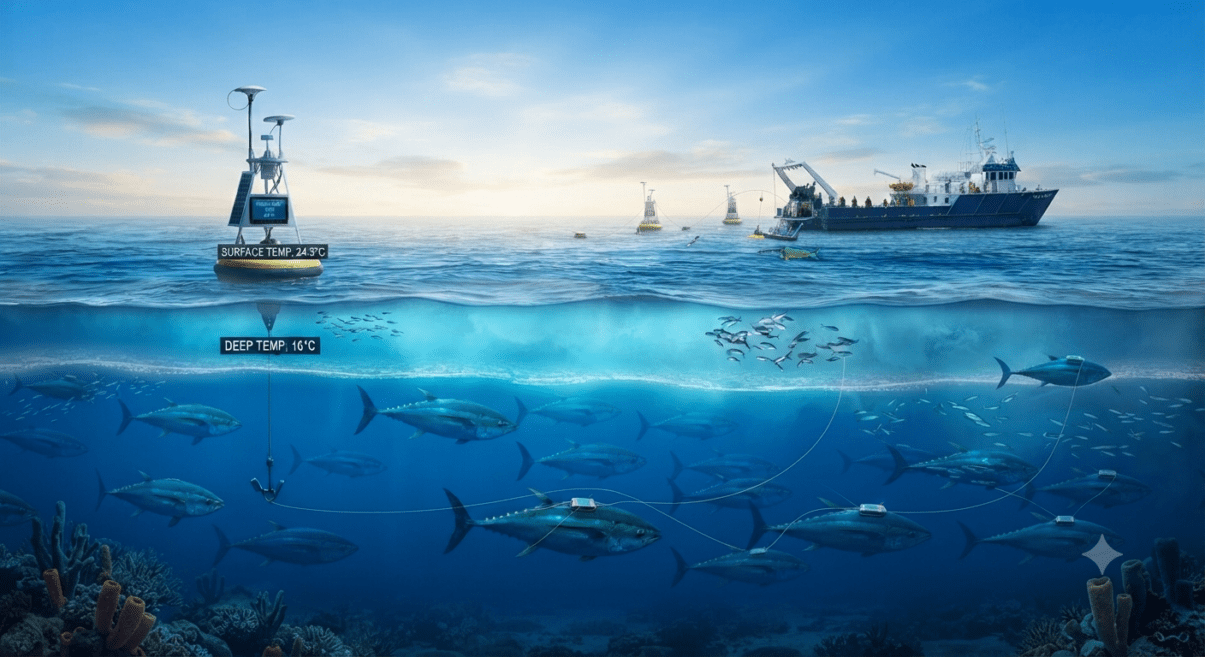
How Sea Temperature Affects Fish Movement, Migration, and Feeding: The Best Ultimate Guide for 2026

Marine environments are shaped by dynamic thermal gradients that dictate the distribution, behavior, and physiological well-being of pelagic and coastal species. Understanding how sea temperature influences marine fish movement provides vital insights for successful angling across vast ocean basins.
How Sea Temperature Controls Marine Fish Distribution
Oceanic temperatures act as invisible boundaries governing where marine species can thrive. As ectothermic animals, marine fish rely entirely on surrounding water warmth to regulate their internal biological functions, making sea temperature the leading driver of their geographic range and seasonal movements.
Why Marine Fish Track Specific Temperature Fronts
Fish constantly seek out preferred thermal bands where their metabolic efficiency is maximized. When water masses shift or collide, creating distinct temperature fronts, fish congregate along these boundaries to exploit optimal comfort zones and concentrated food supplies.
How Pelagic Fish Respond to Thermal Shifts
Open-ocean species possess high mobility, allowing them to respond rapidly to warming or cooling trends. If a current cools or overheats, pelagic predators swim vertically or horizontally over considerable distances to relocate within stable thermal habitats.
Sea Temperature and Coastal Fish Migration
Coastal and inshore species rely heavily on predictable seasonal sea temperature shifts to trigger spawning runs and coastal migrations. As nearshore waters warm in spring, populations move into shallow bays; as winter approaches, they retreat toward deeper, thermally stable marine trenches.
What Happens When Sea Temperatures Drop Rapidly?
A sudden drop in sea temperature chills peripheral tissues and suppresses cardiac output. Marine fish become sluggish, losing hunting stamina and retreating into sheltered, deep-water recesses where temperature fluctuations are dampened.
What Happens During Marine Heatwaves?
Excessive sea temperatures push fish past their upper thermal limits, spiking metabolic demands while simultaneously lowering dissolved oxygen levels in the water. This dual stress forces fish to abandon warm surface layers and seek out deep, cool upwelling zones.
Marine Fish Metabolism and Sea Temperature
Metabolic rates in saltwater species are entirely dictated by ambient water warmth. Temperature acts as the precise dial controlling how fast energy is consumed and how aggressively fish forage.
How Sea Temperature Accelerates or Slows Metabolism
Warm water speeds up internal biochemical reactions, accelerating digestion and increasing oxygen consumption. Cold marine water acts as a thermal brake, slowing down enzymatic processes and drastically reducing the frequency at which fish need to feed.
Why Cold Sea Water Suppresses Feeding Activity
When sea temperatures plunge, reduced cellular energy production limits swimming speeds and neural response times. Fish conserve vital calories by remaining motionless in deep layers rather than chasing fast-moving baitfish.
Why Warm Sea Water Triggers Aggressive Foraging
Moderate increases in water warmth elevate predatory drive and swimming efficiency, sparking intense feeding periods. However, if temperatures cross into extreme heat stress, foraging ceases entirely as survival takes priority.
Temperature and Marine Predation Patterns
Feeding windows align strictly with local thermal comfort zones. Anglers find that predator activity spikes during stable warming trends and drops off abruptly when cold fronts chill the marine water column.
How Energy Requirements Scale With Temperature
A marine predator hunting in warm seasonal currents requires massive daily caloric intake to sustain its heightened metabolism. Conversely, the same species in winter requires minimal food, relying on fat reserves accumulated during productive months.
How Sea Fish Move Through Thermal Layers and Currents
Marine species navigate expansive water columns by utilizing thermal gradients and current systems as underwater highways. Their vertical and horizontal movements are meticulously timed to match changing oceanographic conditions.
Why Marine Fish Move Between Warm and Cold Water Layers
Fish constantly transition between different thermal strata to balance digestion speeds, body recovery, and foraging efficiency. Warm surface layers promote rapid digestion, while cooler deeper layers allow fish to rest without burning excess metabolic energy.
How Pelagic Species Locate Optimal Temperature Zones
Using acute sensory systems and thermal receptors, open-water species scan vast distances to pinpoint water masses that match their physiological comfort zone. This targeted navigation prevents thermal shock and optimizes daily survival.
Temperature Transitions Between Coastal and Deep Sea
Nearshore environments experience rapid daily and seasonal temperature swings, whereas deep-sea basins offer stable, consistent thermal conditions. Marine fish move back and forth across these zones depending on their reproductive cycles and feeding requirements.
Why Marine Fish Move Deeper During Summer Heat
As intense summer sun and warm air masses superheat surface waters, pelagic and coastal species retreat downward into deeper, cooler thermocline layers to escape lethal thermal stress and low oxygen concentrations.
Why Marine Fish Move Shallower During Cold Periods
During cold winter months, deep water can drop to minimum thermal thresholds. Fish often move into shallower coastal bays or current-fed shallows where afternoon sunlight warms the water column, offering brief thermal relief.
Marine Thermoclines and Fish Movement
The thermocline represents one of the most critical structural boundaries in large water bodies, acting as an invisible wall that separates warm upper layers from cold deep water.
What Is a Marine Thermocline?
A thermocline is a distinct transitional layer of water where temperature changes more rapidly with depth than it does in the layers above and below. This thermal barrier restricts the vertical movement of many species.
How Thermal Layers Form in Deep Water Basins
Solar radiation heats the upper layer of the water column during warmer months, while wind action mixes this warm water down to a certain depth. Below this mixed layer, temperatures plummet sharply into the deep thermocline.
Why Fish Concentrate Near the Thermocline
The thermocline zone often concentrates baitfish, plankton, and predatory species because it provides an ideal compromise between comfortable water temperature and adequate dissolved oxygen levels.
How Oxygen Levels Shift Across the Thermocline
Above and within the upper thermocline, oxygen levels remain high due to wind mixing and photosynthetic activity. Below the thermocline, oxygen can become severely depleted as decomposing organic matter consumes available supplies.
How Anglers Locate Thermal Layers
Modern marine electronics, specialized temperature probes, and deep-diving lures allow anglers to identify the exact depth of the thermocline, transforming invisible water layers into targeted fishing zones.
Using Marine Electronics for Temperature Data
Advanced fish finders equipped with water temperature sensors and sonar capabilities display thermal breaks on-screen, revealing precisely where game fish are holding relative to temperature changes.
Sea Fish Movement in Cold Water
Cold marine conditions fundamentally alter the spatial distribution and hunting strategies of saltwater species. When sea temperatures plummet, fish adopt specialized survival mechanisms to endure the winter chill.
Where Do Marine Fish Go When Water Gets Cold?
As nearshore and surface waters cool, coastal fish migrate toward deeper offshore basins, submarine canyons, or thermal plumes where water temperatures remain relatively stable and insulated from harsh winter weather.
How Cold Sea Water Changes Fish Feeding Activity
Chilly marine environments suppress digestive enzymes and lower metabolic demands. Fish drastically reduce their feeding frequency, abandoning active predatory pursuits in favor of slow, opportunistic feeding when prey drifts directly past them.
Why Marine Fish Move to Deeper Water in Winter
Deep ocean water retains heat better than shallow coastal shelves during winter months. This thermal stability protects marine species from freezing surface temperatures and violent storm turbulence.
Best Winter Holding Areas for Saltwater Fish
Deep wrecks, artificial reefs, underwater ledges, and warm-water current seams serve as prime winter holding areas. These structures shield fish from heavy currents while providing stable thermal refuges.
How Marine Fish Save Energy in Cold Water
To conserve vital energy reserves, fish bunch together in tight schools around structural cover, minimizing movement and relying entirely on stored body fat until spring warming revives the ecosystem.
Sea Fish Movement in Warm Water
Excessive summer heat introduces unique challenges in marine environments, driving fish to seek refuge from high temperatures and oxygen depletion in surface waters.
Where Do Marine Fish Go When Water Gets Warm?
When surface waters overheat, coastal and pelagic species retreat into deeper, shaded reef zones, thermocline boundaries, or upwelling currents where cold, nutrient-rich water wells up from the ocean floor.
Why Fish Seek Deeper or Cooler Water in Summer
High temperatures accelerate metabolic rates to stressful levels while reducing the solubility of oxygen in seawater. Seeking deeper water allows fish to lower their metabolic oxygen demand and escape thermal distress.
How Warm Sea Water Changes Fish Feeding Patterns
Extreme summer warmth shifts feeding schedules away from the blazing midday hours. Fish become completely inactive during peak heat, reserving their foraging efforts for cooler ambient windows.
Early Morning Fish Movement in Hot Weather
Dawn brings the coolest water temperatures of the 24-hour cycle, prompting predatory species to move out of deep hiding spots and hunt aggressively across shallow flats and reef edges before the sun heats the column.
Nighttime Fish Movement During Summer
Under the cover of darkness, surface waters cool down significantly. Many marine species take advantage of this thermal relief by moving into very shallow water to feed actively under moonlight.
Why Dawn and Dusk Can Be Important Feeding Periods
Twilight transitions offer optimal light conditions combined with comfortable, stabilizing water temperatures. These short windows trigger synchronized feeding sprees across diverse marine species.
Sea Fish Movement After Sudden Temperature Changes
Abrupt shifts in sea temperature create intense physiological shock for marine species, temporarily shutting down normal feeding behavior and triggering immediate displacement.
How Fish React to a Sudden Temperature Drop
A rapid decrease in water temperature freezes biological activity, causing fish to drop deep into the water column or flee toward warmer coastal pockets. Feeding activity halts entirely as fish struggle to adjust their internal osmoregulation.
How Fish React to a Sudden Temperature Increase
Unseasonal warming trends can accelerate metabolism faster than food availability can support, causing fish to scatter into deeper, cooler thermal refuges or seek out moving water currents that provide oxygen replenishment.
Why Stable Temperature Can Be Better Than a Perfect Temperature
Fish adapt remarkably well to steady, predictable thermal conditions even if they fall slightly outside their ideal metabolic range. Sudden volatility disrupts their internal biological rhythm far more than a slightly sub-optimal constant temperature.
Cold Fronts and Marine Fish Movement
Passage of a severe cold front drops barometric pressure and chills surface water rapidly. Coastal and pelagic fish immediately abandon shallow flats, moving tightly against deep structure or dropping below the thermocline.
Warm Fronts and Marine Fish Movement
Warm fronts stimulate baitfish activity in shallow coastal zones, drawing predatory game fish into skinny water during low-light periods, provided dissolved oxygen levels do not drop below safe physiological thresholds.
Seasonal Sea Fish Movement and Water Temperature
Macro-scale seasonal shifts dictate massive migratory loops across entire ocean basins, driven by annual fluctuations in sea surface temperatures.
Fish Movement in Spring
As spring sun warms coastal shallows, marine populations migrate inward from deep offshore holding areas. This seasonal push brings predatory species into estuaries, bays, and rocky shorelines to feed and spawn.
Fish Movement in Summer
Peak summer heat drives fish away from sun-baked surface waters. Populations establish rigid vertical stratification, holding near deep thermoclines, offshore reefs, or cold current upwellings during daylight hours.
Fish Movement in Autumn
Cooling autumn temperatures trigger a reversal in migration patterns. As shallow water cools down, fish feed heavily to pack on fat reserves before moving outward toward deep-water wintering grounds.
Fish Movement in Winter
Winter locks marine species into deep offshore trenches, wrecks, and submarine canyons where water temperatures remain stable. Metabolic rates reach annual lows, and movement is restricted to short, conservative feeding intervals.
How Seasonal Temperature Changes Affect Marine Distribution
Annual temperature cycles govern the global distribution of marine life, dictating predictable seasonal arrivals and departures along coastal fisheries and oceanic migratory corridors.
Sea Water Temperature, Oxygen, and Fish Location
Temperature and dissolved oxygen are inextricably linked in the marine environment, working together as the ultimate gatekeepers of fish location and habitat selection.
Why Sea Water Temperature Affects Dissolved Oxygen
Cold water holds a high capacity for dissolved oxygen molecules, whereas warm seawater loses its ability to retain oxygen efficiently. As sea temperatures rise, available oxygen decreases, putting heavy physiological pressure on marine fauna.
Where Fish Find the Best Combination of Temperature and Oxygen
Fish constantly search for transitional zones that offer the sweet spot between comfortable thermal ranges and high oxygen saturation. This often leads them to wind-swept points, current rips, and upper thermocline boundaries.
Why Warm Sea Water Can Become Dangerous for Fish
When high summer temperatures coincide with calm, stagnant weather, shallow marine areas can experience severe oxygen depletion. This creates hazardous conditions that force fish to flee or suffer from oxygen starvation.
Low Oxygen and Marine Fish Movement
Oxygen-depleted water acts as an immediate repellent. Fish will actively abandon highly productive feeding grounds if dissolved oxygen levels drop below safe thresholds, moving laterally or vertically to breathable water.
Why Fish Leave Oxygen-Depleted Areas
Cellular respiration requires a steady supply of oxygen. When local water masses become hypoxic due to heat and organic decay, survival instincts compel fish to migrate rapidly toward aerated currents or deeper layers.
How Different Saltwater Fish Species React to Temperature
Different marine species have evolved specialized physiological adaptations to handle specific thermal windows, splitting fish into distinct cold-water and warm-water categories.
How Striped Bass React to Water Temperature
Striped bass thrive in temperate coastal waters, generally preferring a comfortable thermal band between 12°C and 20°C. When summer water temperatures exceed 22°C, they seek deep-water thermal refuges and river mouths with cooler inflow.
How Bluefish React to Water Temperature
Bluefish are aggressive pelagic predators that tolerate a broad temperature range but strongly prefer moving coastal waters between 15°C and 24°C, following migrating baitfish along coastal thermal fronts.
How Tuna React to Water Temperature
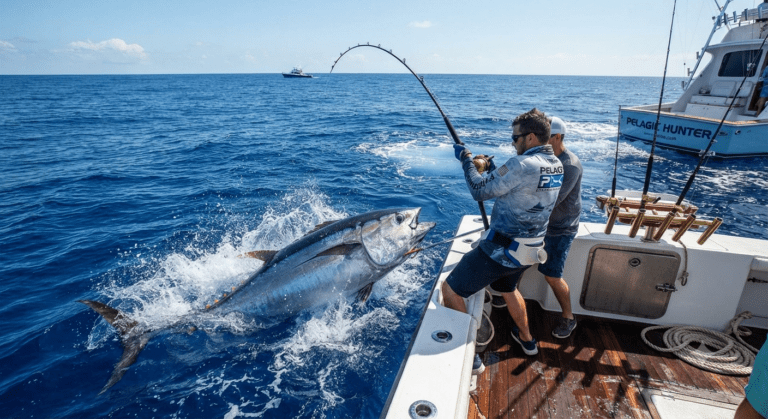
Large pelagic tuna species utilize specialized vascular counter-current heat exchangers to maintain body temperatures warmer than the surrounding water, allowing them to hunt effectively across dramatic thermal boundaries.
How Snapper and Grouper React to Water Temperature
Reef-dwelling species like snapper and grouper prefer warm tropical and subtropical water layers, remaining active year-round on structure where stable bottom temperatures protect them from seasonal cooling.
Which Marine Fish Prefer Cold Water?
Cold-water saltwater species, such as cod, halibut, and certain flounders, experience metabolic stress if water temperatures climb too high, restricting their geographic distribution to polar and deep sub-temperate seas.
Which Marine Fish Prefer Warm Water?
Warm-water species, including mahi-mahi, wahoo, and various billfish, thrive in tropical and summer-heated pelagic currents, showing high metabolic activity and rapid growth rates in warm environments.
Coastal and Estuarine Fish Movement and Temperature
Coastal zones and estuaries experience rapid thermal fluctuations due to tides, solar radiation, and freshwater influxes, creating a uniquely dynamic environment for fish movement.
How Estuarine Temperature Controls Fish Movement
Estuaries act as vital nursery grounds where shallow waters warm up quickly in spring, drawing in migratory coastal species seeking abundant food and rapid growth opportunities.
How Cold Tidal Inflows Affect Inshore Fish
Incoming tides carrying cold ocean water can abruptly drop estuarine temperatures, causing fish to retreat into deeper dredged channels, back-bays, or tidal creeks where thermal stability is preserved.
How Warm Tributaries Change Inshore Fish Location
During peak summer, sun-baked tributary runoff can overheat shallow estuaries, forcing resident fish to migrate toward deep inlet mouths and ocean passes where cooler marine water mixes regularly.
Fish Movement During Sudden Estuarine Temperature Changes
Rapid weather shifts over shallow bays create immediate thermal stress, triggering mass movements of baitfish and predators toward deep water structure or ocean inlets.
Temperature Differences Between Open Sea and Coastal Bays
Open ocean waters maintain high thermal inertia, changing temperature very slowly. Coastal bays and estuaries lack this thermal buffer, experiencing wild daily temperature swings that dictate active feeding windows.
Offshore and Pelagic Fish Movement and Temperature
Pelagic species inhabiting vast ocean basins rely on deepwater thermal layers and massive current systems to navigate across thousands of kilometers of open water.
How Pelagic Fish Move Through Open Ocean Depth
Open-water predators perform massive daily vertical migrations, ascending into warm surface layers at night to feed and descending into cold, deep thermoclines during daylight hours to rest.
Thermal Layers in Deep Ocean Basins
Deep oceanic basins feature complex vertical layering, separating warm surface mixed layers from the freezing abyssal plains below. Pelagic species operate primarily within the upper photic and twilight zones.
How Oceanic Eddies Change Fish Movement
Spinning oceanic eddies and rings pinch off from major currents, trapping warm or cold water masses that concentrate baitfish and attract apex pelagic predators from miles around.
Shallow Water vs Deep Sea Temperature Boundaries
Coastal environments experience continuous vertical mixing, whereas deep ocean basins maintain rigid thermal stratification, allowing pelagic fish to choose exact temperature bands with minimal effort.
Where Pelagic Fish Hide During Extreme Marine Heat
When surface sea temperatures soar past normal limits, pelagic predators dive deep beneath the thermal boundary layers or follow fast-moving upwelling currents where cold water provides instant thermal relief.
Ocean Currents and Fish Migration
Major ocean currents act as global conveyor belts, transporting heat, nutrients, and marine species across thousands of kilometers of open water.
How Sea Temperature Fronts Drive Pelagic Migration
Temperature fronts form where distinct water masses meet, creating sharp thermal boundaries. Pelagic predators use these lines to navigate, finding abundant baitfish concentrated along the temperature edges.
Following Warm and Cold Water Fronts
Anglers and commercial fishermen alike track satellite sea surface temperature maps to locate these thermal breaks, knowing that tuna, billfish, and sharks hunt preferentially along these high-productivity zones.
Current Seams and Upwellings
Upwellings push cold, nutrient-dense water up from the deep ocean floor into sunlit surface layers. This sudden influx triggers massive plankton blooms, drawing in baitfish and larger game fish.
Why Marine Fish Follow Current Boundaries
Current boundaries provide structural highways that minimize swimming effort while maximizing foraging opportunities, allowing pelagic species to travel vast oceanic distances efficiently.
How Anglers Can Use Sea Temperature to Find Fish
Translating oceanographic data into practical angling success requires combining modern technology with an understanding of fish thermal preferences.
How to Measure Sea Temperature While Fishing
Using digital thermometers, surface water probes, or onboard marine electronics allows anglers to monitor real-time thermal changes and pinpoint active feeding zones instantly.
Combining Temperature With Depth and Bottom Structure
The most productive fishing spots occur where preferred water temperatures intersect with underwater structures, such as reefs, drop-offs, and current breaks.
Using Fish Finders for Thermal Data
Advanced marine sonars equipped with integrated temperature sensors display real-time water columns, helping anglers identify thermoclines and temperature breaks beneath the surface.
Choosing Fishing Depth Based on Sea Temperature
When surface waters heat up beyond optimal ranges, anglers should target deeper water columns or thermocline layers where fish seek thermal comfort and stable oxygen levels.
Choosing Lures and Baits Based on Temperature
Match lure presentations to fish metabolism: slow-moving, subtle baits work best in cold water, while fast, erratic retrieves trigger aggressive strikes in warm, active marine conditions.
Sea Fish Movement Temperature Chart
Reference this practical guide to understand typical saltwater fish responses and location strategies across varying sea temperature ranges.
| Sea Temperature | Typical Fish Response | Likely Fish Location | Fishing Approach |
|---|---|---|---|
| Very cold | Low activity and suppressed metabolism | Deeper offshore trenches and wrecks | Slow presentation and deep drops |
| Cold | Reduced activity and slow digestion | Sheltered bays and structure bases | Slow to moderate retrieves |
| Moderate | Increasing activity and strong foraging | Active feeding areas and reefs | Active fishing across structures |
| Warm | High activity until stress thresholds | Shade, current seams, and structure | Target dawn, dusk, and current lines |
| Very warm | Heat and oxygen stress responses | Cooler, oxygen-rich upwellings and deep layers | Fish carefully in deep water |
Note: Optimal temperature ranges vary significantly by species, age, regional acclimatization, and available dissolved oxygen levels.
Swordfish
Known for its incredible power and speed, the swordfish is one of the most thrilling targets in big-game angling. Read the complete guide on our website to master techniques for catching them.
Mahi-Mahi
Famous for their vibrant colors and acrobatic leaps, mahi-mahi provide non-stop action on the water. Check out our detailed article to learn everything about targeting this species.
Blue Marlin
The blue Marlin holds a legendary reputation as the ultimate opponent for offshore anglers. Explore our comprehensive guide to prepare for the fight of a lifetime.
Tuna Zone
Our dedicated tuna zone is designed to attract anglers looking for unforgettable battles on the open sea. Discover expert tips and strategies in our specialized articles.
Sunfish
Known for their unique shape and fascinating behavior, ocean sunfish are among the most intriguing creatures to encounter in marine waters. Explore our specialized guide to learn more about their habits and habitat.