Bass Fishing & Finesse Techniques: The Best Ultimate 2026 Guide to Catch More Bass in Any Condition
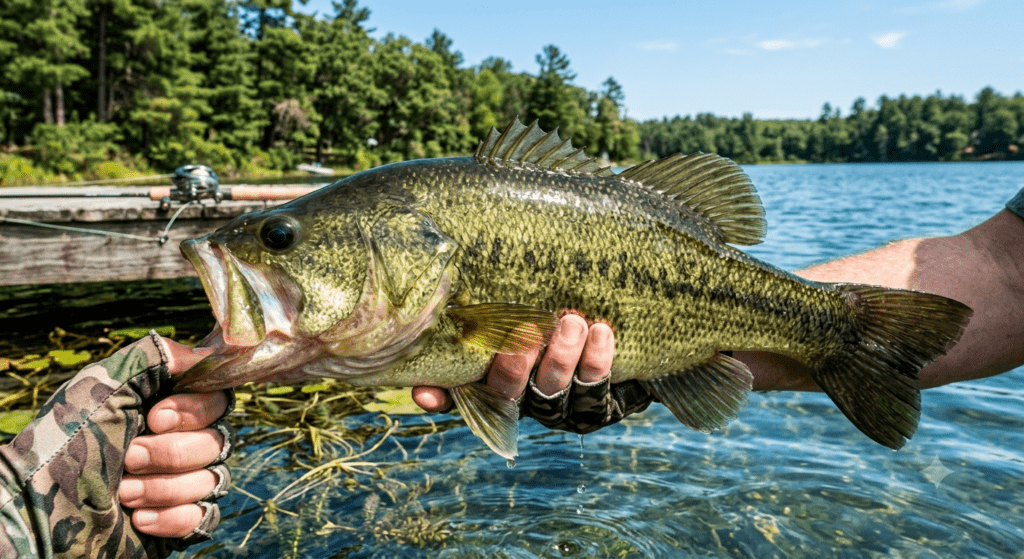
Bass fishing stands as the pinnacle of freshwater angling in North America and across the globe. Whether you are pursuing trophy largemouth bass in heavy lily pads or targeting aggressive smallmouth bass along rocky river ledges, mastering the sport requires a deep understanding of fish biology, seasonal movements, structural awareness, and presentation nuances.
In modern angling, as waterways face unprecedented fishing pressure, traditional power fishing methods often fall short. This is where mastering finesse techniques becomes the absolute differentiator between a frustrating day on the water and a tournament-winning livewell.
This comprehensive 2026 guide is designed for both beginner and intermediate anglers seeking to elevate their bass fishing skill set. Through detailed technical breakdowns, step-by-step rigging instructions, seasonal strategies, equipment selections, and expert analytical tables, you will gain the knowledge needed to consistently catch more bass in any weather condition, water clarity, or pressure level.
1. Introduction to Bass Fishing
What is Bass Fishing?
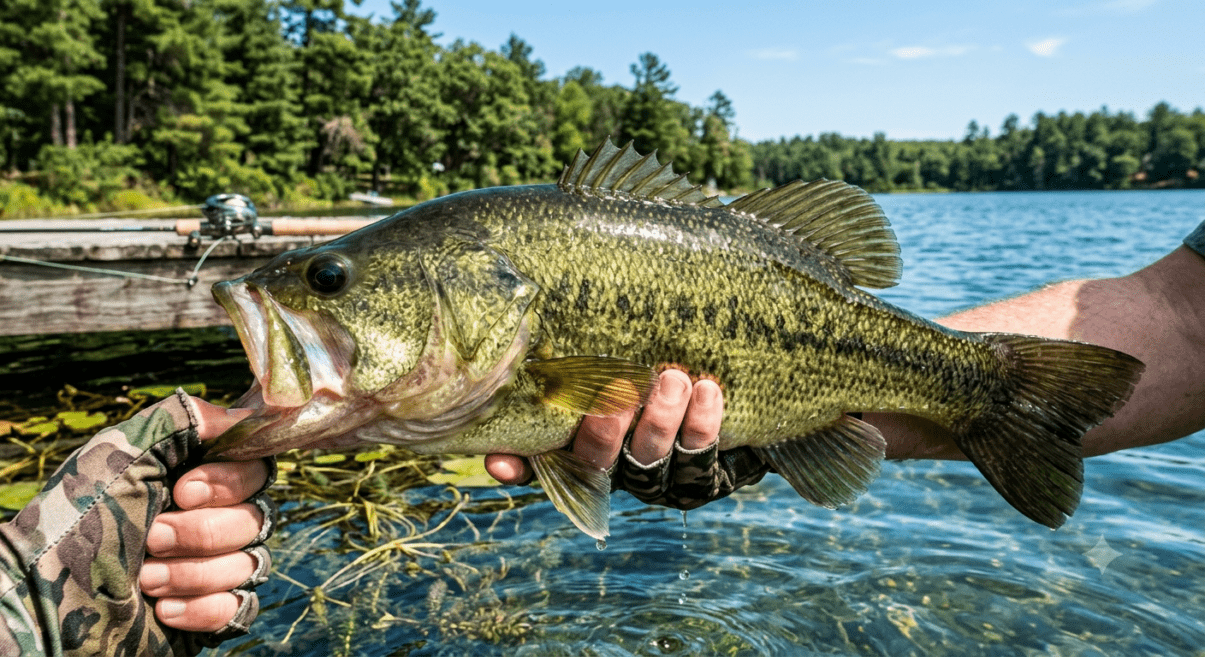
Bass fishing is the targeted pursuit of predatory freshwater fish species belonging primarily to the sunfish family (Centrarchidae), most notably the largemouth bass (Micropterus salmoides), smallmouth bass (Micropterus dolomieu), and spotted bass (Micropterus henshalli). Unlike general recreational angling, modern bass fishing blends aquatic science, advanced sonar technology, specialized tackle, and tactical presentation to locate and entice these highly adaptable apex freshwater predators.
The Biological Apex Predator
Bass are visual and lateral-line hunters designed for ambush and opportunistic feeding. Their suction-feeding mechanism allows them to inhale large volumes of water along with their prey in milliseconds. Understanding this biological design helps anglers realize why presentation speed, lure action, and natural movement play a crucial role in triggering reaction strikes or feeding responses.
History and Popularity of Bass Fishing
The transition of bass fishing from a localized subsistence activity to a multi-billion-dollar global industry began in the mid-20th century. The invention of the plastic worm by Nick Creme in 1949, followed by Ray Scott’s founding of the Bass Anglers Sportsman Society (B.A.S.S.) in 1968, revolutionized the sport. Today, bass fishing is supported by cutting-edge hull designs, advanced forward-facing sonar (FFS), and ultra-refined tackle engineering.
Largemouth Bass vs Smallmouth Bass
While both species belong to the same genus, their biology, preferred habitats, and behavior differ dramatically. Successfully targeting them requires recognizing these fundamental distinctions.
- Largemouth Bass: Identified by a upper jaw that extends past the rear margin of the eye, a distinct horizontal lateral stripe, and a preference for warmer, shallow water with abundant aquatic vegetation, wood, and docks.
- Smallmouth Bass: Identified by an upper jaw that does not extend beyond the eye, vertical brownish bars or bronze body coloration, red eyes, and a strong preference for cooler, clearer, high-current environments rich in rock, gravel, and deep ledges.
Why Bass Are One of the Most Popular Sport Fish
Bass are widely revered due to their extreme aggressiveness, high accessibility, and unpredictable fighting styles. They inhabit almost every major watershed across North America, Europe, Japan, and Southern Africa. Their ability to adapt to diverse environments—from tiny farm ponds to massive impoundments—makes bass fishing the most dynamic sport in freshwater angling.
2. Understanding Behavior
Feeding Habits
Bass are opportunistic carnivores whose diet shifts dynamically based on age, size, habitat, and seasonal availability of forage. Juvenile bass feed heavily on aquatic insects, small crustaceans, and tiny baitfish, whereas mature bass target high-protein prey items.
Primary Forage Categories
- Teleost Baitfish: Shad (gizzard and threadfin), bluegill, pumpkinseed, yellow perch, and alewives.
- Crustaceans: Crawfish (crayfish), which make up over 60% of a bass’s diet during spring molt cycles.
- Amphibians and Benthic Prey: Frogs, salamanders, sculpins, and goby species.
Seasonal Movements
Bass movements follow a distinct annual cycle driven entirely by water temperature, photoperiod (day length), and spawning urges. They do not wander aimlessly; they utilize submerged creek channels, ditches, and structural highways to migrate between wintering basins and shallow spring spawning flats.
How React to Temperature Changes
As ectothermic (cold-blooded) organisms, a bass’s metabolic rate, digestive speed, and energy expenditure are directly governed by ambient water temperature.
- Below 45°F (7°C): Lethargic metabolism; digestive cycle takes 48-72 hours; tight holding to deep cover; requires slow, micro-finesse presentations.
- 55°F to 75°F (13°C to 24°C): Optimal metabolic range; aggressive hunting, rapid digestion, maximum horizontal and vertical mobility.
- Above 85°F (29°C): Thermal stress sets in; bass move to oxygen-rich current zones, deep thermo-lines, or dense, shade-providing vegetation mats.
Weather Effects
Barometric pressure shifts dramatically impact bass behavior. Ahead of a cold front, dropping barometric pressure triggers intense, aggressive feeding windows as bass sense approaching instability. Conversely, post-cold front conditions featuring high pressure, bluebird skies, and calm winds cause bass to lock tightly into the thickest available cover, demanding refined, slow-moving finesse techniques to trigger strikes.
Water Clarity and Behavior
Water clarity dictates whether a bass relies primarily on vision or its lateral line to locate prey.
- Ultra-Clear Water (Visibility > 6 feet): Bass are highly line-shy and cautious. Long casts, natural color patterns (green pumpkin, watermelon), light fluorocarbon lines, and subtle finesse presentations are mandatory.
- Stained Water (Visibility 2 to 5 feet): The ideal balance. Bass use both sight and lateral vibration. Standard presentations and moderate-sized lures excel.
- Muddy/Turbid Water (Visibility < 2 feet): Sight distance is reduced to inches. Bass rely on lateral line pressure waves and acoustics. Heavy vibration lures, dark silhouettes (black and blue), or loud rattles are required.
3. Where to Find fish
Explaining Fishing Locations
Lakes
Natural lakes feature abundant shallow weed beds, glacial drop-offs, and defined littoral zones. Bass in natural lakes tend to establish predictable, home-range holding patterns based on vegetation types and panfish movements.
Rivers
River bass—especially smallmouths—are built for high-oxygen environments. Focus on eddy lines, current seams, wing dams, boulder fields, and the downstream side of island points where bass can rest while watching for prey washed down in the current.
Reservoirs
Man-made impoundments feature extreme depth changes, submerged river channels, flooded standing timber, and artificial structures. Reservoir bass migrate heavily, relying on structural highways to move from deep winter basins to shallow creek arms.
Ponds
Small bodies of water warm quickly and cool rapidly. Ponds offer dense bass populations that can be easily located by focusing on the deepest available hole, drainage inflows, or isolated cover like overhanging trees and culverts.
Key Structure and Cover Characteristics
- Aquatic Vegetation: Hydrilla, milfoil, eelgrass, and lily pads generate oxygen and provide primary ambush locations for largemouth bass.
- Rocks and Rip-Rap: Boulders, chunk rock, and man-made granite retain heat, harbor crawfish, and serve as thermal hotspots during spring and late autumn.
- Boat Docks: Provide immediate overhead shade, ambush points, and lower water temperatures during bright summer days.
- Submerged Trees and Timber: Standing timber and laydowns offer complex vertical structure, allowing bass to adjust their depth easily without traveling horizontally.
- Drop-Offs and Points: Ledges and underwater points act as natural funnels that intercept moving schools of baitfish.
4. Fishing Seasons
Spring: The Spawning Cycle
Pre-Spawn (Water Temp: 45°F – 58°F)
Bass move out of deep winter basins toward staging areas such as secondary points, creek channel banks, and staging docks. Feeding is extremely aggressive as females build up energy reserves for egg production.
Spawn (Water Temp: 59°F – 68°F)
Bass pair up on shallow flats featuring hard sand, gravel, or protected clay bottoms to construct beds. Guarding males strike aggressively out of territorial protection, while females require precise, non-threatening finesse presentations.
Post-Spawn (Water Temp: 69°F – 75°F)
Females retreat to deeper staging areas to recover, becoming temporarily lethargic. Guarding males remain shallow to protect fry. Slow-sinking soft plastics and subtle finesse rigs excel during this transitional phase.
Summer: Deep Water and Low-Light Patterns
During summer heat, oxygen levels drop in stagnant shallow zones. Bass either seek deep offshore humps, ledges, and thermoclines or move under thick vegetation mats and shady docks. High-percentage times shift to early morning, late evening, and night windows.
Fall: The Great Baitfish Chase
Dropping water temperatures trigger massive migrations of shad and yellow perch into the backs of creek arms and shallow coves. Bass follow these bait schools aggressively, feeding heavily to store energy for winter. Fast-moving presentations paired with trailing finesse follow-ups yield maximum catch rates.
Winter: Cold Water Survival Tactics
Bass metabolism drops significantly. Fish concentrate in the deepest, most thermally stable areas of the lake or river system—often near natural springs or wintering river basins. Strikes are subtle, light, and infrequent. Successful anglers downsize their lures and utilize dead-sticking techniques.
5. What Are Finesse Fishing Techniques?
Definition of Finesse Fishing
Finesse fishing is an angling methodology centered around subtle, natural, scaled-down presentations designed to trigger strikes from bass that are inactive, line-shy, cold-stressed, or heavily pressured. It relies on light fluorocarbon lines, sensitive spinning tackle, downsized soft plastics, and minimal rod action to mimic defenseless forage.
When Finesse Techniques Work Best
While power fishing (crankbaits, spinnerbaits, heavy jigs) excels when fish are active and aggressive, finesse techniques dominate under challenging conditions:
- High barometric pressure after cold fronts (bluebird skies, calm winds).
- Ultra-clear water clarity where bass can visually inspect lures.
- Heavy recreational boating or competitive angling pressure.
- Extreme water temperatures (below 50°F or above 85°F).
Why Pressured Bass Respond to Finesse Presentations
In heavily fished public waters, bass quickly learn to associate loud, vibrating, fast-moving power lures with danger. Finesse setups strip away these unnatural acoustic signatures. By presenting a small soft plastic that glides naturally through the water column on invisible, thin-diameter line, you bypass a bass’s learned defensive behaviors.
6. Best Finesse Techniques
1. Drop Shot Rig
The drop shot is arguably the most versatile finesse rig in modern bass fishing. By placing the weight at the terminal end of the line and tying a hook higher up via a Palomar knot with a long tag end, the soft plastic remains suspended off the bottom at eye level with the fish.
- Setup & Equipment: 6’10” to 7’2” Medium-Light, Fast action spinning rod paired with a 2500-size spinning reel. Spooled with 8 lb braid mainline attached to a 6 lb fluorocarbon leader via an FG or double Uni knot.
- Hook Size: Size 2 to 1/0 drop shot hook or nose-hooking circle hook.
- Weight Selection: 1/8 oz to 3/8 oz tungsten drop shot weight (drop-shape for sand/mud, pencil-style for rocks and timber).
- Best Conditions: Deep water, vertical offshore structure, clear water, and suspended bass detected on fish finders.
- Retrieve Method: Cast out or drop vertically. Keep the weight planted on the bottom, gently shaking the rod tip on slack line to impart action to the lure without displacing the weight.
- Common Mistakes: Over-shaking the rod tip, moving the weight off the bottom too quickly, and using overly thick leader line.
2. Ned Rig
Originating in the Midwest, the Ned Rig utilizes a small, high-buoyancy TPE (elastomer) soft plastic worm or stickbait mounted on a light, flat-headed or mushroom-style jig head. Its magic lies in its ability to stand completely vertical on the bottom at rest.
- Setup & Equipment: 6’6” to 7’0” Medium-Light, Extra-Fast spinning rod with a 2000/2500 spinning reel. 6 lb to 8 lb fluorocarbon line.
- Hook Size: Integrated mushroom jig head with #2 to #1/0 light wire hooks.
- Weight Selection: Extremely light weights: 1/16 oz, 1/10 oz, or 1/6 oz maximum.
- Best Conditions: Hard bottoms, rocky banks, gravel bars, clear water, and when bass are feeding on small crawfish or gobies.
- Retrieve Method: Throw the Ned Rig to the target zone, allow it to sink to the bottom on a slack line, and slowly dead-stick it, hop it, or drag it incrementally along the lake bed.
- Common Mistakes: Using too heavy of a jig head, which destroys the slow, natural gliding drop that makes the rig lethal.
3. Texas Rig (Finesse Application)
While traditional Texas rigging uses heavy weights and large worms, a finesse Texas rig scales down the profile using light bullet weights and thin 4-inch soft plastics, offering superior weedless performance through cover.
- Setup & Equipment: 7’0” Medium power, Fast action spinning or baitcasting rod, 8-10 lb fluorocarbon line.
- Hook Size: 1/0 to 2/0 Offset EWG (Extra Wide Gap) worm hook.
- Weight Selection: 1/16 oz to 1/8 oz unpegged tungsten bullet weight.
- Best Conditions: Shallow vegetation, brush piles, dock pillars, and weed edges where snagging is a concern.
- Retrieve Method: Lift and drag the rig slowly over cover, letting the worm float upward naturally behind the weight.
- Common Mistakes: Over-weighting the setup, which pulls the lure down into the muck instead of sitting atop cover.
4. Wacky Rig
The Wacky Rig involves hooking a straight stickbait (like a 5-inch Senko) directly through the middle of its body. When lifted and dropped, both ends of the bait quiver erratically, producing a proven presentation that entices reluctant strikes.
- Setup & Equipment: 6’8” to 7’0” Medium power, Fast action spinning rod, 8 lb fluorocarbon or 10 lb braid to a 8 lb fluorocarbon leader. Utilize a rubber O-ring or Wacky tool to protect the soft plastic from tearing.
- Hook Size: 1/0 or 2/0 specialized Wacky/Finesse hook (add a wire weedguard for cover).
- Weight Selection: Weightless (standard), or add nail weights to the tips for a faster sink rate.
- Best Conditions: Shallow docks, overhanging trees, weedlines, and around bedding bass in spring.
- Retrieve Method: Cast out, allow the bait to flutter down to the desired depth on complete slack line. Pop the rod tip twice, pause, and repeat.
- Common Mistakes: Fishing the bait on a tight line during the drop, which stops the characteristic wobble action.
5. Neko Rig
The Neko Rig is a modified version of the Wacky Rig, featuring a nail weight inserted into the head of the worm and a hook placed midway up the body facing upward. This allows the worm to stand vertically on the bottom while the tail floats freely.
- Setup & Equipment: 7’0” Medium-Light, Fast action spinning rod, 8 lb fluorocarbon leader.
- Hook Size: #1 or 1/0 finesse hook paired with a silicon O-ring.
- Weight Selection: 1/32 oz to 1/8 oz specialized tungsten nail weight.
- Best Conditions: Deep drop-offs, offshore ledges, clear water, and sloping points.
- Retrieve Method: Cast to target, allow the nail-weighted nose to hit the bottom, and continuously drag and twitch the line so the lure “hops” along the lake floor like a feeding minnow.
- Common Mistakes: Inserting the nail weight unevenly, causing the lure to spin uncontrollably during the drop.
Why the Snell Knot is the Best Choice for All Hooks
The Snell knot is extremely reliable because it tightens further under tension and holds perfectly stable, regardless of whether you are using a hook with a spade or an eye.
Fishing Guide: Everything You Need to Know About Gear, Lures, and Tactics
Bass is one of the most sought-after freshwater game fish in the world. Known for aggressive strikes, acrobatic jumps, and unpredictable behavior, targeting bass requires a mix of technique, proper tackle, and an understanding of seasonal patterns.
Habits and Habitat Selection
Understanding structure is critical. Bass are ambush predators that rely heavily on cover to hunt and hide.
- Heavy Cover: Sunken trees, laydowns, and thick brush piles provide ideal ambush points.
- Vegetation: Lily pads, hydrilla, and weed beds offer shade, high oxygen levels, and abundant forage.
- Structural Contour: Drop-offs, rocky points, and submerged ledges allow quick movement between deep and shallow water.
Essential Tackle Setup
Selecting the right setup depends on the cover and presentation style you plan to use.
| Equipment | Recommended Specs | Purpose |
|---|---|---|
| Rod | 6’6″ to 7’2″ Medium-Heavy / Fast Action | Balanced control, hook-setting power, and casting accuracy |
| Reel | 2500–3000 Spinning or 6.4:1 Baitcaster | Versatile gear ratio for both slow roll and fast retrieval |
| Main Line | 15–30 lb Braided Line | High strength and zero stretch for heavy cover |
| Leader | 10–14 lb Fluorocarbon | Low visibility in clear water and high abrasion resistance |
Top Lure Categories and Rigs
Different water conditions call for specific lure presentations:
- Soft Plastics: Texas Rigged worms and creature baits excel around dense snag hazards. Wacky Rigs work best in open water or around docks.
- Moving Baits: Squarebill crankbaits deflect off rocks and timber, while spinnerbaits cover vast areas quickly to find active fish.
- Topwater Lures: Hollow-body frogs over thick matted grass and poppers in calm, shallow bays yield explosive surface strikes during low-light hours.
Seasonal Tactics
- Spring: Focus on shallow flats and spawning beds with slow-moving soft plastics or jigs.
- Summer: Target deeper offshore structure during the day, or move to shallow cover early in the morning with topwater lures.
- Autumn: Follow schooling baitfish into coves using fast-moving crankbaits and lipless lures.
- Winter: Slow down completely; use small finesse jigs or drop-shot rigs in deep water.