Barbel Fishing 2026: Wild Fast-River Heavy Feeder Gear, Cheese Groundbait, and Rigs
Barbel Fish
Imagine standing on the muddy banks of a roaring river, the air thick with the scent of wet earth and crushed hemp. The water surges past like an express train, carrying debris and hiding dark, unseen monsters underneath the rapids. Suddenly, without warning, your heavy feeder rod slams down toward the water with violent, bone-rattling force—your reel screams as a muscular submarine strips fifty meters of line in seconds. This is not casual bank fishing; this is the raw, high-octane battle against a wild river barbel fish. Built like a muscle-bound torpedo with hydrodynamic fins and rubbery, whiskers-bearing lips, the barbel fish is widely regarded as the ultimate freshwater fighter pound-for-pound. To conquer these river titans in heavy currents, you need specialized heavy artillery, an unstoppable scent trail, perfect timing with natural lunar cycles, and rock-solid terminal rigs. In this comprehensive manual, we break down every single secret, gear configuration, lunar strategy, and forum-proven tactic you need to master the art of catching a big river barbel fish.
Mastering the Power and Habitat of the Wild Barbel Fish
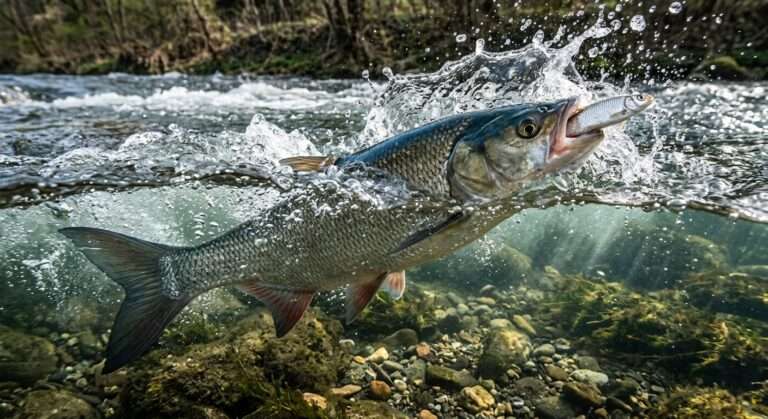
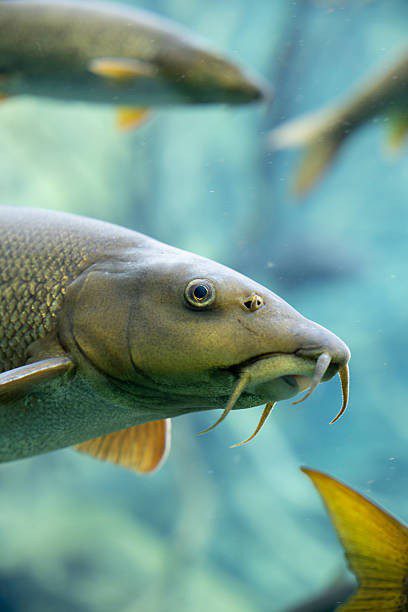
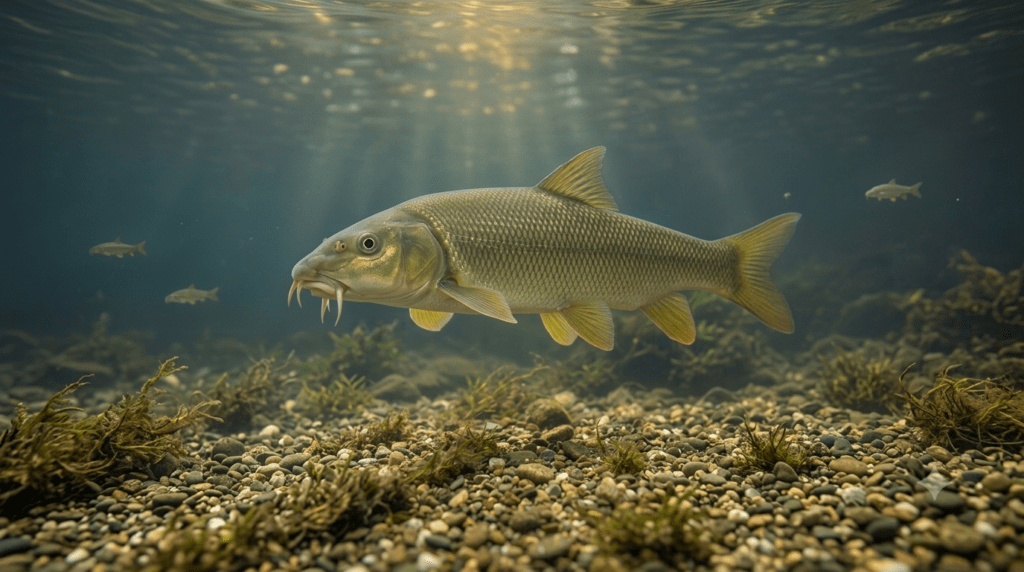
Understanding the physical structure and underwater behavior of the barbel fish is the fundamental first step to landing trophy specimens consistently in fast waters. Unlike stillwater species like carp or bream that cruise lazily in search of food, the barbel fish spends its entire life fighting raging currents, developing dense muscle structure and incredible endurance. Its cylindrical body shape allows high-velocity water to pass over its back without pushing it downstream, while its flat underside keeps it pinned firmly to the riverbed gravel. Armed with four highly sensitive barbels surrounding an underslung mouth, the barbel fish roots around in sharp rocks, gravel bars, and heavy snags searching for crayfish, insect larvae, mollusks, and stray food particles. To catch them, you must fish where other anglers fear to cast—directly into the heaviest flows, deep river troughs, and impassable underwater structure where oxygen levels are high and natural food settles.
Heavy Feeder Tackle Configuration
Standard carp or commercial feeder rods will simply snap, bend double, or fold under the combined pressure of a fast river current and a runaway barbel fish. To maintain control over heavy leads and powerful fish in fast water, you need specialized, heavy-duty river artillery designed for maximum torque and distance casting.
Selecting Heavy Rods
Look for a heavy or extra-heavy (XH) feeder rod, typically 13 to 14 feet (3.90m to 4.20m) in length, with a casting weight rating ranging from 120g up to 180g or more. The rod must possess a stiff, powerful backbone to lift massive leads out of deep river beds and pump heavy fish against strong currents, paired with a sensitive carbon quiver tip (3oz to 5oz) capable of registering subtle bites amidst turbulent water surface motion.
Powerhouse Reels
A powerhouse reel with robust internal gearing is mandatory when targeting the barbel fish. Opt for a size 5000 to 6000 reel model featuring a tough worm-shaft gearing system, high cranking power, a minimum drag rating of 10kg, and a reliable baitrunner or smooth quick-drag system that allows line to strip freely when a fish strikes violently.
Mainlines and Leaders
Use a high-abrasion resistance monofilament line ranging from 0.26mm to 0.30mm (10lb to 14lb test) or a heavy braided line paired with a long fluorocarbon shock leader. Because a wild barbel fish immediately seeks sharp gravel bars, sunken trees, and jagged riverbed rocks during a fight, your mainline must survive constant scraping and friction without snapping under tension.
Groundbait Mechanics and Cheese Attractors
The barbel fish possesses an extraordinarily acute sense of smell and taste, utilizing its sensitive barbels to locate food buried deep inside riverbed gravel. In fast water, light or powdery scent trails wash away in seconds, rendering them useless; you need a pungent, heavy, and sticky attractor that locks onto the river bottom.
Parmesan Flavor Profiles
Parmesan cheese and aged dairy additives are undisputed magnets for the barbel fish. These fish are naturally obsessed with intense, salty, savory, and pungent aromas that create a dense chemical trail traveling hundreds of meters downriver through strong water currents.
Mixing River Binders
Start with a heavy, sticky river groundbait base rich in crushed halibut pellets, hemp seeds, breadcrumbs, and pure grated Parmesan cheese powder. To stop fast river currents from tearing your bait balls apart instantly, bind the mix heavily with natural river clay or sticky additives so it sinks straight to the riverbed and releases slowly over 15 to 30 minutes.
Adding Live Particles
Because the barbel fish is a heavy feeder that quickly leaves an empty swim, packing your groundbait or feeder cage with live particles is essential. Always lock plenty of live maggots, casters, chopped worms, and small 4mm halibut pellets into your compressed bait balls to keep feeding fish searching the gravel bed for hours.
Indestructible Terminal Rigs
A rig designed for the barbel fish must be minimalist, stealthy, highly abrasion-resistant, and virtually indestructible under sudden shock loads. When a mrena takes your bait, the bite is rarely a timid twitch; it is an aggressive, rod-bending smash that will rip poorly tied rigs apart instantly.
Running Feeder Systems
Utilize heavy, clawed lead feeders or square metal cage feeders weighing anywhere from 80g to 150g depending on current velocity. The feeder must sit completely immobile on the riverbed, as a rolling lead will spook a feeding barbel fish and tangle your leader in the flow.
Fluorocarbon Leaders
Despite their aggressive feeding habits, wild barbel fish can be extremely line-shy in clear river conditions. Employ a long hooklength (60cm to 100cm) made of high-grade, invisible fluorocarbon (0.22mm to 0.25mm), allowing the hookbait to flutter naturally inside the scent cloud created downriver by the stationary feeder.
Forged Short-Shank Hooks
Tie an ultra-strong, forged, short-shank hook (sizes 6, 8, or 10) featuring an in-turned point. Premium heavy carp hooks with thick wire gauges are ideal, as thin wire hooks will easily straighten or cut through the muscular mouth tissue of a heavy barbel fish mid-fight.
Hook Baits and Tactic Execution
Selecting the right hookbait and positioning your tackle correctly on the riverbank determines whether you turn river bites into landed fish. Tactic execution requires patience, precise casting, and constant monitoring of water speed and rod tip angle.
Top Hookbait Options
The most effective hookbaits for a trophy barbel fish include a cluster of 4 to 6 live maggots hooked through the skin, a large block of cheese-flavored canned meat (luncheon meat), or a hard, pre-drilled cheese/halibut pellet mounted on a hair rig setup.
High Rod Position Strategy
When fishing fast water, position your feeder rod high up on a stable, heavy-duty tripod or banksticks, pointing nearly vertically into the sky. Elevating your rod keeps maximum line out of the surging water, drastically reducing current drag and keeping your heavy lead anchored in place.
Managing Bites and Fights
Bites from a barbel fish are unmistakable—the rod tip violently slams down toward the water surface. Never leave your rod unattended without opening the free-spool baitrunner mechanism; once hooked, keep the fish’s head high in the water column to prevent it from diving into razor-sharp rocks or sunken snags along the shoreline.
Swim Selection and Reading River Structure
Finding where a barbel fish rests and feeds requires reading the river surface to understand the underlying underwater topography. Casting blindly into open water rarely yields results compared to targeting natural river hotspots.
Inside River Bends
The natural water flow decelerates on the inside curve of river bends, causing nutrient-rich food particles, organic matter, and gravel to settle. These areas create prime feeding grounds where shoals of barbel fish congregate during lower water levels.
The Crease Line Boundary
Look for the distinct boundary where fast-moving main current meets slow-moving slack water, often found behind bridge pillars, rock groynes, and fallen trees. The barbel fish loves to rest in the quiet slack water while darting out into the fast crease line to snatch passing food items.
Deep River Sacks and Pools
Deep, slow-moving river pools located at the tail end of gravel shallows offer safety, cooler oxygenated water, and winter refuge. Targeting these deep river sacks during cold spells or rising river conditions often produces the largest barbel fish in the system.
Lunar Influence and Moon Phases of Fish Behavior
The influence of lunar cycles on freshwater river fish is a powerful yet underutilized factor in modern angling. The gravitational pull and night illumination of the moon directly alter river currents, feeding windows, and aquatic insect activity, profoundly impacting the feeding intensity of the barbel fish.
New Moon Feeding Windows for Barbel Fish
During the New Moon phase, nights are pitch black with zero lunar light reflecting on the river surface. Under complete darkness, large, nocturnal barbel fish lose their natural line-shyness and move aggressively into shallow gravel flats to feed on live particles without fear of overhead predators.
Full Moon Strategies for Barbel Fish
High lunar illumination during a Full Moon can make daytime feeding sluggish, shifting major activity to deep shade or late night hours. When fishing under a bright full moon, cast your barbel fish rigs into deep river pools, covered bank overhangs, or naturally shaded water columns where fish feel secure.
Waxing and Waning Moon Transitions for Barbel Fish
The transitional phases of the moon create major gravitational shifts that stir riverbed organisms and trigger instinctive feeding urges. Anglers tracking lunar calendars often report explosive feeding spurts from the barbel fish during the 3-day window building up to both major lunar events.
Seasonal Patterns and Temperature Shifts for Barbel Fish
Understanding seasonal shifts allows you to adapt your baiting strategy and location throughout the calendar year. The barbel fish adjusts its energy expenditure and habitat preferences based directly on water temperature and seasonal flow rates.
Spring Movement and Pre-Spawn Barbel Fish
As spring water temperatures rise past 10°C, the barbel fish wakes from winter dormancy and begins migrating upstream toward fast gravel rapids. During this pre-spawn period, high-protein baits like halibut pellets and cheese paste spark aggressive feeding sessions.
Summer Fast-Current Action for Barbel Fish
During hot summer months, oxygen levels in sluggish river water drop significantly, driving the barbel fish directly into shallow, oxygen-rich rapids and weir pools. Focus your summer efforts on fast, turbulent water where fish remain active throughout the hottest daytime hours.
Autumn and Winter Tactics for Barbel Fish
In autumn, the barbel fish feeds heavily on rich groundbaits to store fat reserves before winter cold sets in. When water temperatures drop near freezing in mid-winter, downsize your hookbaits, use smelly liquid cheese attractors, and target the deepest, slowest river pools where fish hold tightly together.
River Conditions, Water Levels, and Clarity for Barbel Fish
Barometric pressure changes, rising floodwaters, and shifting clarity levels dictate whether a river run will be slow or legendary. Master reading water conditions to know precisely when to hit the river bank for a barbel fish.
Rising Flood Water Opportunities for Barbel Fish
A sudden summer rainstorm that causes river levels to rise and turn chocolate brown creates optimal conditions for targeting a trophy barbel fish. The colored water masks heavy leaders and washes tons of natural worms and food into the current, sparking intense daytime feeding frenzies.
Fishing Falling and Clearing Rivers for Barbel Fish
As floodwaters recede and clarity begins returning to the river, the barbel fish shifts back toward gravel edges and structure crease lines. This clear-water transition period demands longer fluorocarbon leaders, smaller hooks, and stealthier bank movements to avoid spooking resting fish.
Low and Crystal Clear Water Tactics for Barbel Fish
When rivers drop low and run crystal clear during dry spells, the barbel fish becomes ultra-cautious and wary of heavy tackle. Shift your fishing hours strictly to dawn, dusk, or midnight, scale down your mainlines, and rely heavily on natural scents like crushed maggots and hemp.
Forum Angling Secrets and Community Tips for Barbel Fish
Decades of collective experience shared on wild river angling forums yield invaluable, battle-tested hacks that go far beyond standard textbook advice. Integrating community-proven tricks into your routine will significantly boost your catch rate for the barbel fish.
Pre-Baiting River Swims for Barbel Fish
Experienced forum veterans agree that pre-baiting a specific river swim for 2 to 3 consecutive days prior to fishing is the single greatest trick for holding a shoal of barbel fish. Introducing heavy clay balls packed with hemp seeds, pellets, and cheese powder at the exact same hour each evening builds absolute confidence in feeding fish.
Glugging and Custom Scent Dips for Barbel Fish
Forum members strongly advocate soaking hookbaits in custom cheese dips, liquid belachan, or pure garlic oil for days before a session. Soaking hard pellets or luncheon meat chunks creates a deeply saturated bait that constantly bleeds powerful scent trails across heavy river currents for hours without losing potency.
Bankside Stealth and Gear Safety for Barbel Fish
The ultimate tip repeated across all river angling forums is strict bankside stealth and rod safety. The explosive initial run of a hooked barbel fish has dragged countless unsecured feeder rods straight into deep river currents—always anchor your tripod firmly, keep your drag preset correctly, and avoid heavy footsteps near the shoreline edge.