How to catch tuna & “Tuna fishing” 2026 Best Ultimate Guide
Understanding the Atlantic Bluefin Tuna
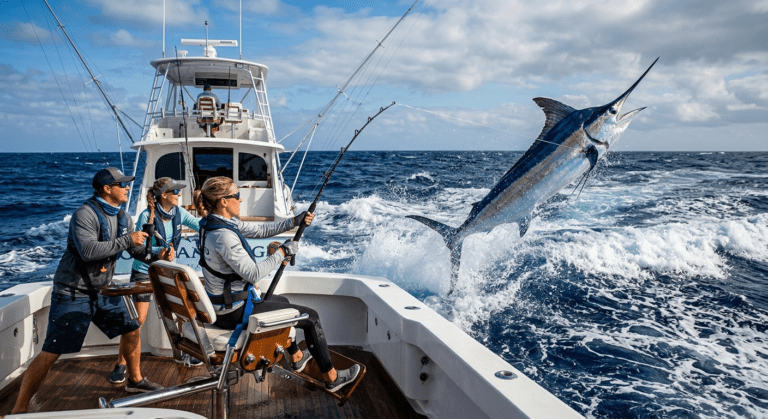
If swordfish is the “Gladiator of the Sea,” then the Bluefin Tuna is the undisputed heavy-weight champion. It is a biological masterpiece—pure muscle, built like a torpedo, and capable of reaching speeds up to 43 mph (70 km/h).
For your international audience looking to experience the best of Balkan saltwater fishing, the Adriatic Sea is one of the premier global hotspots for giant Bluefin Tuna. Here is everything you need to know to hook, fight, and land these ocean freight trains.
Where to Find Them ?
While Bluefin Tuna migrate across the Atlantic and Pacific oceans, the Mediterranean and specifically the Adriatic Sea are legendary breeding and feeding grounds.
The Adriatic Hotspots: The waters off the coast of Istria (Rovinj, Poreč), Middle Dalmatia (Split, Vodice, Jezera on the island of Murter), and down toward Montenegro (Budva, Bar) are world-famous.
The Terrain: Tuna love deep drop-offs, underwater canyons, and offshore islands where strong currents push baitfish (like sardines and mackerel) against underwater structures.
Diet and Hunting: What Makes Them Tick?
Tuna are voracious eaters with incredibly high metabolisms.
The Diet: They primarily feed on small oily fish—sardines, anchovies, mackerel, and squid.
The Eyesight: Tuna have exceptional vision. If your leader is too thick or your hook presentation looks unnatural, a big tuna will spot it instantly and skip your bait.
How to Catch Them : Top Tactics
To target giant tuna, commercial and sport charters use two main techniques:
Method A: Drifting and Chumming (Chumming / Chunking)
This is the most effective and widely used method in the Adriatic.
The Slick: The boat drifts naturally while you constantly throw chopped pieces of fresh sardines into the water. This creates a kilometers-long scent trail (a “chum slick”) that attracts tuna from miles away.
The Presentation: You drop 3 to 4 rods at different depths within that chum slick. One bait is placed right inside the floating chunks, usually weighted down subtly.
The Bait: A whole, fresh sardine or mackerel rigged on a razor-sharp 8/0 to 10/0 circle hook.
Method B: Trolling (Panula)
Using heavy offshore rods, you troll artificial lures (like plastic squids, feathers, or deep-diving plugs) or rigged dead baitfish at speeds between 5 to 9 knots. This method covers a massive amount of water to locate active schools.
Heavy Artillery Gear
Do not bring light tackle to a tuna fight. You need industrial-grade equipment:
Rods: 50-to-130-lb class heavy-duty trolling rods with roller guides.
Reels: Massive conventional reels (like Shimano Tiagra 50W or 80W, or Penn International) with top-tier drag systems.
Line: 80-to-130-lb braided line or high-vis monofilament, tipped with a stealthy, high-grade fluorocarbon leader (100-to-150-lb test) to fool their sharp eyes.
The Ultimate World Record
The Monster: The official IGFA all-tackle world record for an Atlantic Bluefin Tuna is mind-boggling.
The Catch: On October 26, 1979, an angler named Ken Fraser caught a giant Bluefin in Aulds Cove, Nova Scotia, Canada.
The Weight: The beast weighed an incredible 1,496 pounds (exactly 678.5 kilograms)!
The Fight: Remarkably, Fraser managed to bring this absolute titan to the boat in just 45 minutes, a legendary feat of angling strength and skill.
Comprehensive Guide to Tuna Fishing Worldwide
Tuna fishing is a dynamic global pursuit that bridges recreational sport and commercial industry, thriving in the expansive ecosystems of the Atlantic, Pacific, and Indian Oceans, as well as the Mediterranean Sea. The sport is characterized by the extreme physical demands and technical knowledge required to track and land these highly migratory, fast-swimming pelagic predators.
Successful anglers must master the variables of the water column—such as temperature, thermoclines, and current structure—as these factors dictate the presence of baitfish, which in turn attract the massive schools of tuna. Unlike stationary fishing, tuna fishing is a mobile game requiring specialized, high-capacity tackle and heavy-duty gear capable of withstanding the immense drag forces and sheer power of these “torpedoes of the sea.”
Species of Tuna and Detailed Descriptions
Atlantic Bluefin Tuna
(Thunnus thynnus): The apex of sport fishing, these giants are highly prized for their size, reaching weights exceeding 600 kg. They possess a robust, fusiform body optimized for immense speed and endurance, and their high intramuscular fat content makes them the most sought-after species for premium sashimi and sushi.
Yellowfin Tuna
(Thunnus albacares): Easily identified by their vibrant yellow second dorsal and anal fins, these fish are incredibly athletic and explosive, often found in tropical and subtropical waters worldwide. They are popular among anglers due to their hard-fighting nature and schooling behavior, which often allows for multiple hookups.
Bigeye Tuna
(Thunnus obesus): These fish are adapted for deeper, cooler waters, possessing enlarged eyes that allow them to hunt in low-light conditions at greater depths. They have a thicker, deeper body profile than the yellowfin and are particularly powerful during the initial stages of a fight.
Skipjack Tuna
(Katsuwonus pelamis): Being the smallest and most prolific of the main tuna species, they are essential to the marine food chain and the commercial canning industry. They are easily recognized by the four to six distinctive dark, longitudinal stripes on their lower flanks and are known for their frantic, high-energy feeding frenzies.
Albacore Tuna
(Thunnus alalunga): Known for their incredibly long pectoral fins, which can reach past the second dorsal fin. They are highly migratory and typically found in temperate waters; their flesh is unique in its lighter, milder color, making them the industry standard for “white meat” premium canned tuna.
Fishing Techniques
Trolling: A high-efficiency method where multiple lines with artificial lures or natural bait are towed behind a boat moving at consistent speeds. Trolling allows the captain to cover vast areas of the ocean and intercept nomadic tuna schools, adjusting lure depths to account for the fish’s position in the water column.
Chumming/Baiting: This technique relies on “chum”—the practice of scattering pieces of cut bait or live baitfish to create a scent trail that lures tuna into a striking zone near the vessel. Once in the zone, anglers present a hooked baitfish with minimal to no lead weight to ensure the bait moves and behaves naturally, encouraging an aggressive strike.
Jigging: A vertical approach that uses heavy, dense metal lures (jigs) dropped to specific depths. The angler imparts a sharp, erratic, rhythmic upward jerk to the rod, causing the jig to dart and vibrate, effectively mimicking an injured baitfish to draw strikes from curious or feeding tuna.
Popping: A thrilling surface-fishing technique using large, cupped-faced lures designed to “pop” across the surface. These lures create loud splashes and intense water disturbance that mimics panicked fish, triggering violent surface strikes from tuna patrolling the upper layers.
Spear Fishing Techniques
Spearfishing for tuna is the pinnacle of breath-hold hunting, requiring extreme physical discipline and specialized tactical execution.
Open Ocean Hunting: Hunters must work in the vast blue water, where they rely on “flashers”—reflective devices that create light flickers imitating the scales of schooling fish—to draw curious tuna closer.
Specialized Gear: Because tuna have immense power and speed, spearfishing must be done with high-powered spearguns fitted with multiple bands and long shafts. Crucially, the shaft is never attached directly to the hunter; instead, it is connected to a sophisticated system of heavy-duty bungee cords and large-volume surface floats. These floats act as a drag and safety mechanism to tire the fish and prevent the diver from being pulled deep or into dangerous situations.
Forum Secrets and Tips
The “Match the Hatch” Principle: Experienced anglers prioritize observing the local bait schools, such as sardines or mackerel, and choose their lures to match the size and color profile of that exact forage.
Stealth and Leader Selection: Tuna are highly visual hunters. When the bite is slow or fish are “line-shy,” many forum experts swear by using high-grade, thin fluorocarbon leaders that are nearly invisible in the water, allowing for a more natural bait presentation.
Precision in Hook Sets: Large tuna possess hard, bony jaw structures. Experts emphasize using ultra-sharp, forged hooks and ensuring they are set firmly into the corner of the mouth or a soft-tissue area to prevent the hook from tearing out under the massive pressure exerted by the tuna.
Nutritional Value
Tuna is widely celebrated as a nutritional powerhouse for those focused on muscle growth and lean body composition. On average, a 100-gram serving of fresh tuna provides roughly 20 to 25 grams of high-quality protein. It is also rich in essential Omega-3 fatty acids, which provide significant cardiovascular benefits and help reduce inflammation, making it a staple food for both professional athletes and health-conscious individuals.
Cooking Recipe: Tuna Tzatziki
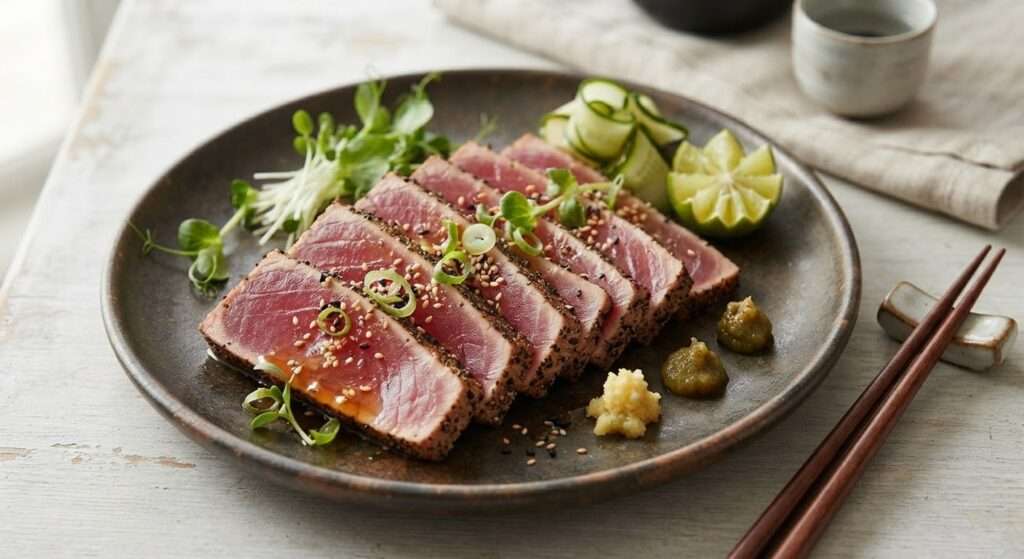
A sophisticated, refreshing dish that balances the rich, meaty intensity of tuna with the cool, acidity-driven profile of a traditional tzatziki.
The Dish: Pan-seared tuna steak served over a bed of chilled cucumber-yogurt salad.
Ingredients: Fresh premium-grade tuna steak, thick Greek yogurt, one finely grated and drained cucumber, two cloves of minced garlic, fresh chopped dill, a splash of fresh lemon juice, and high-quality cold-pressed olive oil.
Preparation:
Sear the tuna steak on a high-heat pan for no more than 30–60 seconds per side, ensuring the exterior is browned while the center remains rare.
Slice the tuna into uniform strips.
Prepare the tzatziki by mixing the yogurt, grated cucumber, garlic, dill, and lemon juice.
Plate the tzatziki, arrange the seared tuna on top, drizzle with olive oil, and serve immediately for a perfect contrast between the hot, savory fish and the cool, creamy salad.
Boat Safety
Safety is non-negotiable when venturing into the deep ocean.
Essential PPE: A high-visibility, professional-grade life vest must be worn by all crew members while on deck.
Communication Protocols: Always verify that the vessel is equipped with a functional VHF radio, personal locator beacons (PLBs), and a full set of distress flares, all of which should be stored in accessible, waterproof containers.
Risk Management: Constant weather monitoring is vital. Tuna fishing often occurs in areas far from immediate medical help, so understanding sea states, squall formations, and equipment redundancy is essential for preventing tragedies.
Customs and Traditions of Tuna Fishermen
Before heading out, many tuna fishing crews observe deeply rooted maritime traditions that emphasize mental preparedness and crew cohesion. These often include:
Systematic Gear Checks: Many captains insist on a specific, ritualistic sequence for checking drag settings, knots, and hook sharpness.
Pre-departure Rituals: Whether it is a shared “good luck” meal, a specific song, or a silent moment of respect for the sea, these traditions help clear the mind, build unity, and focus the crew on the demanding mission ahead.
Regulations and Quotas for tuna : Legal Limits
Tuna stocks are subject to intense international scrutiny, and local authorities strictly enforce regulations. Anglers must understand:
Permits and Licensing: You must carry the appropriate recreational fishing license and tags specific to the region.
Harvesting Quotas: There are strict limits on how many fish an individual can retain, as well as specific “size slots” (minimum and maximum lengths) to protect spawning juveniles and massive breeding adults. Failure to comply can result in heavy fines and the permanent loss of fishing privileges.
Catch and Release Tuna Best Practices
When releasing a fish, the goal is 100% survival.
Minimal Handling: Handle the fish only with wet, degloved hands to preserve their protective slime coat. Avoid any contact with the eyes or gills.Barbless Hooks: Using barbless hooks allows for quicker, less invasive removal.
Active Revivification: When returning a tuna to the water, hold the fish by the tail and keep the boat in slow forward motion to ensure oxygenated water continuously passes over the gills before the fish regains enough strength to swim away.
Understanding Tuna Meat Quality and Grading
Grading is based on color, fat content (marbling), and texture.
Bluefin Belly (Toro): The most expensive cut, highly marbled with fat, and pale pink in color.
Deep Red Muscle: Found in the loin, this is lean, firm, and ideal for grilling or searing. Quality is graded by the “cleanliness” of the color and the absence of any signs of stress or improper bleeding after the catch.
Essential Gear and Equipment Maintenance
A tuna’s power can snap sub-standard equipment in seconds.
Reel Maintenance: Wash reels with light fresh water after every trip to prevent salt crystallization, which seizes internal gears.
Line Inspection: Regularly inspect the last few meters of your main line for abrasions. If the line feels rough to the touch, cut and retie the hook, as even minor nicks can lead to a snap under the pressure of a 100 kg fish.
Tuna Habitat and Migration Patterns
Tuna are highly migratory, following oceanic “highways” driven by temperature gradients (thermoclines). They may follow the same migration routes for years, but their specific position within the water column varies based on the time of day and the depth of their prey. Tracking these seasonal movements is the key to knowing when and where to fish.
Weather and Sea Conditions for Successful Tuna Fishing
Temperature Breaks: Tuna are often found along “temperature breaks” where two different water currents meet.
Stability: While tuna can feed in rough conditions, stable weather patterns with low wind speeds offer the most consistent fishing. Avoid dangerous sea states, as the risk to the crew during a fight is significantly multiplied in high, unpredictable waves.
Sustainable Fishing Practices
Sustainability is the responsibility of every angler.
Selective Catching: Focus only on the target size and species, ensuring juveniles are left to reach maturity.
Support Regulation: Support organizations that use scientific data to set catch quotas, ensuring the health of the population for future generations.
Tuna Processing and Storage Methods
Proper processing must happen seconds after the catch to maintain quality.
Bleeding: The tuna must be bled immediately to prevent lactic acid and heat from ruining the meat.
Ice Slurry: The fish should be submerged in a deep ice-water slurry to bring the internal temperature down as quickly as possible. This prevents “burnt” meat (a condition where the flesh becomes mushy and discolored due to high internal temperatures).
Common Mistakes for Beginners and How to Avoid Them
The “Reeling” Error: Beginners often try to reel while pulling the rod backward; this is useless. You should lift the rod to move the fish and reel only as you lower it.
Drag Mismanagement: Do not touch the drag during the fight unless you know what you are doing. Set your drag at 25% of your line’s breaking strength before you ever put a bait in the water.
Lazy Knotting: A tuna will expose a weak knot every time. Always use proven, heavy-duty knots and test them under tension before the fight begins.
The “Something Extra”A Forgotten Tuna Secret
Here is a massive insider tip for your blog that many beginner anglers forget: Watch the birds and the dolphins.
🌊 The Indicator Strategy: In the Adriatic, you are not just looking at your sonar/fishfinder. You must scan the horizon with binoculars. Look for flocks of seagulls and terns diving violently into the water.
Below those birds, dolphins or smaller predators are pushing schools of sardines up to the surface. Where there is a massive bait ball panic, giant Bluefin Tuna are almost always underneath it, blasting through the middle like missiles. If you see birds diving, steer your boat toward the action immediately, shut down the engines, and start chunking.
💡 Pro Tip
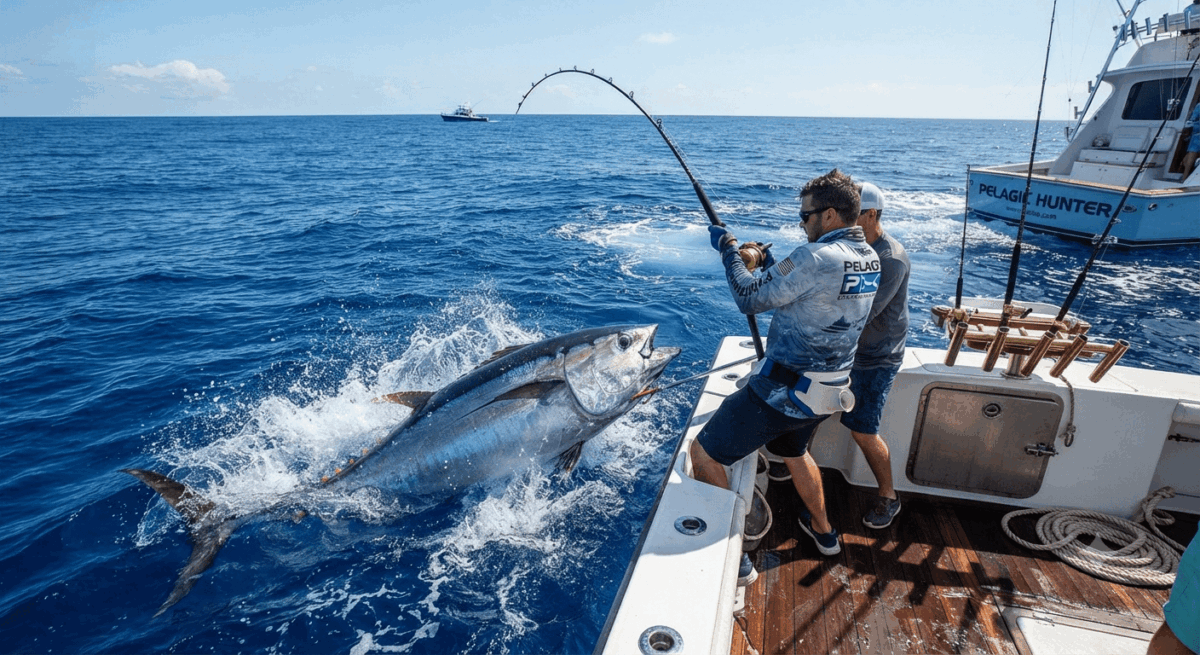
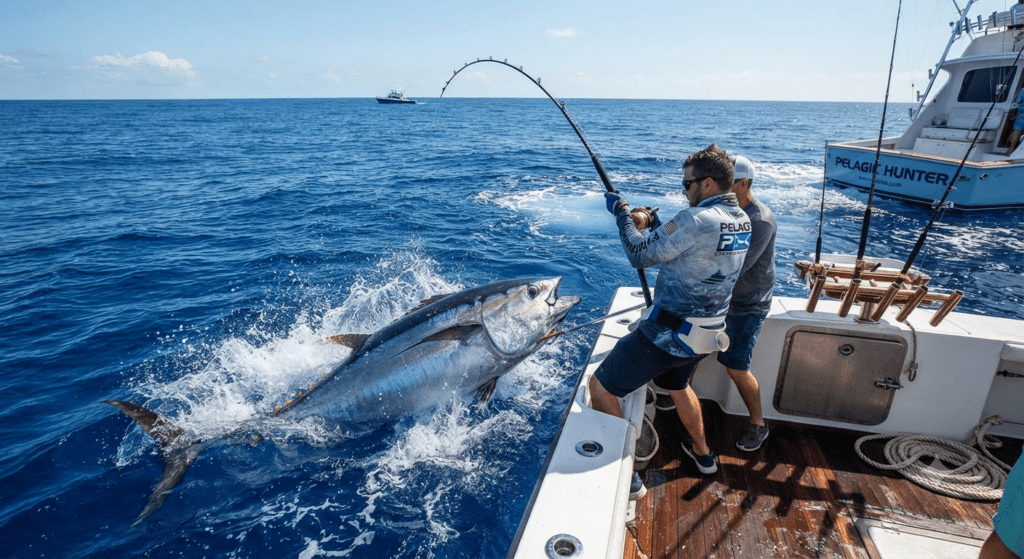
When a giant tuna hits your bait, it doesn’t just bite—it explodes. The initial run can strip 300 yards of line off your reel in a blink of an eye. Keep your cool, let the drag work, and never underestimate their stamina!