
Ocean Sunfish 2026: The Best Ultimate Guide to the Ultimate Pelagic Giant
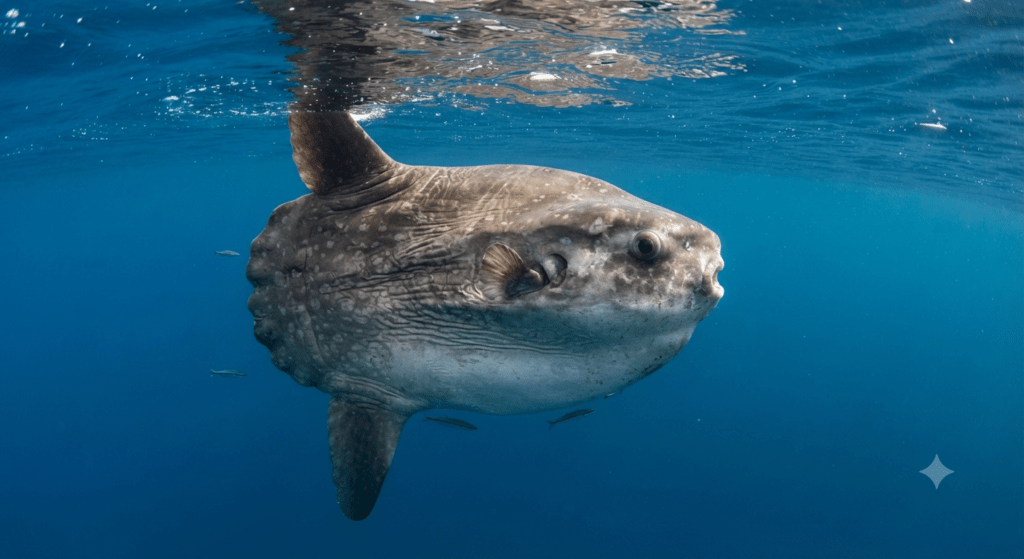
These pelagic giants inhabit temperate and tropical marine waters across the globe, frequenting open ocean basins rather than coastal shallows or coral reefs. Their distribution spans major oceanic divisions, where they track appropriate thermal layers and abundant food sources.
Because their physiological state is directly impacted by water temperature, their geographic range is largely dictated by seasonal currents and thermal boundaries. They regularly traverse vast distances, utilizing deep ocean currents to navigate between different feeding grounds.
Where Do Ocean Sunfish Live?
Populations are established across open pelagic environments worldwide, ranging from deep oceanic trenches to expansive continental shelf breaks. They are rarely found in enclosed seas or shallow coastal zones unless swept in by strong, unexpected currents.
Their preference for open water allows them unrestricted vertical and horizontal movement, matching the drifting patterns of their primary food sources across major marine ecosystems.
Warm and Cold Water Distribution
While historically associated primarily with warm tropical and subtropical waters, telemetry research confirms that individuals regularly venture into cold temperate and sub-polar zones. However, prolonged exposure to near-freezing temperatures compromises their physiological efficiency.
To counteract extreme cold encountered during deep-water foraging, individuals must frequently return to surface layers or warmer water masses to restore their core body temperature.
Ocean Sunfish in the Atlantic Ocean
Throughout the Atlantic basin, populations range from northern European waters down to the southern tips of Africa and South America. They are frequently documented by commercial vessels and researchers operating in the open North Atlantic and the Gulf Stream.
Their presence in these regions fluctuates seasonally, as shifting water temperatures and Gulf Stream extensions dictate where food aggregations accumulate.
Ocean Sunfish in the Pacific Ocean
The vast expanse of the Pacific Ocean supports some of the largest recorded populations, with frequent sightings off the coasts of California, Japan, Australia, and New Zealand. Upwelling zones and nutrient-rich currents create ideal foraging conditions in these areas.
In regions like Monterey Bay, California, seasonal concentrations occur regularly, providing marine biologists with extensive opportunities to study their behavior and tracking metrics.
Ocean Sunfish in the Mediterranean Sea
The Mediterranean Sea hosts consistent resident and migratory populations, particularly in deeper offshore basins and areas influenced by Atlantic water inflows through the Strait of Gibraltar. Local fishermen and researchers encounter them regularly during spring and summer months.
The unique bathymetry and current systems of the Mediterranean provide distinct vertical thermal layers that these animals exploit during their daily foraging dives.
Seasonal Movements and Migration
Movement patterns are largely driven by seasonal temperature fluctuations and the reproductive cycles of gelatinous plankton. As surface waters warm during summer months, populations often shift toward higher latitudes or deeper offshore zones.
Conversely, cooling winter conditions prompt shifts toward warmer equatorial or current-fed regions to maintain stable metabolic functions.
How Deep Can Ocean Sunfish Dive?
Acoustic tagging and depth-recording telemetry reveal that individuals routinely execute deep vertical descents into the twilight zone, frequently plunging past 600 meters below the surface.
Extreme recorded dives occasionally approach 1,000 meters depth, where ambient temperatures hover just above freezing and absolute darkness prevails.
What Does the Ocean Sunfish Eat?
Nutritional ecology centers entirely around pelagic macroplankton and gelatinous organisms distributed throughout the water column. Due to their specialized mouth structure, their diet is restricted to soft-bodied prey that requires minimal chewing before digestion.
Meeting the energy requirements of a multi-ton body demands continuous, high-volume consumption, turning these animals into apex consumers of pelagic gelatinous biomass.
Main Foods in the Ocean Sunfish Diet
The primary dietary intake consists almost exclusively of gelatinous invertebrates found drifting in open ocean waters. While jellyfish make up the bulk of the mass, other pelagic organisms contribute significantly to their daily nutritional intake.
Specialized internal structures ensure that slippery, low-calorie prey is efficiently processed and routed through a short, rapid digestive tract.
Jellyfish and Gelatinous Prey
True jellyfish, comb jellies, siphonophores, and pelagic tunicates form the core foundation of daily foraging. Their abundance in open ocean currents provides a steady, reliable food source for specialized pelagic predators.
Because these organisms consist largely of water, consuming them requires processing massive quantities to extract sufficient nutrients and caloric energy.
Small Fish, Squid, Crustaceans, and Other Prey
Although gelatinous zooplankton dominates, stomach content analyses indicate occasional ingestion of small schooling fish, juvenile squids, pelagic crustaceans, and floating larval forms encountered during midwater dives.
These secondary prey items provide supplementary proteins and fats that help offset the low caloric density of a strictly gelatinous diet.
How the Sunfish Finds Food
Foraging relies on a combination of visual cues in upper water layers and lateral line sensitivity to detect water displacement caused by drifting swarms of gelatinous organisms in deeper, darker zones.
Individuals cruise slowly through productive pelagic corridors, intercepting dense concentrations of floating macroplankton swept along by regional ocean currents.
How Much Does an Ocean Sunfish Eat?
Due to the low nutritional value of jellyfish and salps, mature specimens must consume immense quantities daily—sometimes equivalent to a significant percentage of their total body weight—to maintain their massive mass.
This relentless feeding requirement drives their constant vertical movement through different water columns in search of dense planktonic blooms.
Why Jellyfish Alone Are Not Enough
Jellyfish are composed of over 95 percent water, offering very limited caloric and lipid content per individual organism. Consequently, relying on them demands continuous, uninterrupted foraging behavior.
To sustain basal metabolism and massive tissue maintenance, individuals must constantly patrol oceanic zones where ocean currents concentrate these gelatinous swarms.
Ocean Sunfish Anatomy and Physical Structure
The physical architecture of these pelagic giants deviates sharply from standard teleost body plans, prioritizing specialized adaptations for vertical mobility over high-speed horizontal swimming. Their morphology reflects a unique evolutionary trajectory driven by deep-water foraging and protection within open-ocean ecosystems.
Ocean Sunfish Body Shape and Body Proportions
Adult specimens present a heavily compressed, disc-like silhouette that appears unusually tall and wide when viewed laterally, yet remarkably thin from the front or back. This deep-bodied configuration centers the animal’s mass forward, ensuring exceptional vertical stability while navigating complex water columns.
Proportionally, mature individuals lack a traditional elongated torso, featuring instead a truncated body plan where the vertical axis from the dorsal tip to the anal tip often equals or exceeds the total horizontal length from the mouth to the rear margin.
Ocean Sunfish Skeleton and Reduced Bone Structure
Despite holding records as the heaviest known bony fish, the internal skeletal framework contains a surprisingly minimal amount of dense, calcified bone. Instead, lightweight cartilage forms the primary structural matrix, significantly lowering overall body density.
This extensive skeletal reduction allows adults to offset the gravitational penalties associated with massive size while facilitating effortless buoyancy control across varying pressure gradients during deep vertical descents.
Ocean Sunfish Dorsal and Anal Fins
Locomotion relies entirely on a pair of elongated, highly flexible vertical appendages positioned symmetrically on the upper and lower margins of the body. These fins operate in harmony to generate forward momentum and steering stability.
Their independent movement enables precise adjustments within turbulent pelagic flows, allowing the species to maintain poise without relying on a conventional tail structure.
Ocean Sunfish Clavus: The Structure Replacing the Tail
Rather than terminating in a traditional caudal peduncle and tail fin, the posterior margin ends abruptly in a rounded, rudder-like structure known as the clavus. This specialized feature forms through the natural fusion and modification of posterior elements originating from the dorsal and anal fins.
The flexibility of the clavus allows individuals to fine-tune their heading during slow cruises or steep vertical dives into cold pelagic depths.
How the Clavus Helps Ocean Sunfish Steer
Operating as an integrated rudder, the clavus coordinates with the dorsal and anal appendages to dictate directional changes. By flexing this posterior margin, individuals can pivot smoothly within restricted spaces in the water column.
This specialized steering mechanism compensates for the lack of a traditional tail, providing essential maneuverability during slow-speed pelagic foraging.
Why Ocean Sunfish Do Not Have a Normal Caudal Fin
Evolutionary pressures favored a shortened vertebral column and complete reduction of caudal skeletal elements to conserve metabolic energy. Discarding heavy tail structures optimized the body plan for vertical migration rather than burst acceleration.
Consequently, the lineage evolved toward specialized fin sculling and a truncated posterior margin tailored for open-ocean survival.
Ocean Sunfish Mouth, Teeth, and Jaw Structure
The mouth configuration features fused dental plates that form a beak-like structure, preventing the animal from fully closing its mouth. Inside the throat, specialized pharyngeal teeth grind slippery prey items prior to digestion.
This specialized oral apparatus is finely tuned for processing soft-bodied, gelatinous organisms that require mechanical breakdown before entering the digestive tract.
How Ocean Sunfish Crushes Harder Food
When encountering firmer pelagic organisms or colonial tunicates, the robust jaw structure and internal pharyngeal grinders apply crushing force to break down tough outer layers.
This internal processing ensures that even structured gelatinous prey is effectively reduced into digestible components before reaching the stomach.
Ocean Sunfish Size, Weight, and Growth
The developmental trajectory from a microscopic larval stage to a multi-ton oceanic giant represents one of the most extreme growth scales in the animal kingdom. Adults achieve massive physical proportions that establish their unique standing among marine vertebrates, driven by continuous feeding and specialized metabolic adaptations.
How Big Can an Ocean Sunfish Get?
Mature specimens regularly stretch across impressive vertical and horizontal spans, making them among the most physically imposing creatures found in open pelagic environments. Their expansive bodies dominate the water column when encountered in their natural offshore habitats.
Vertical measurements from the tip of the dorsal fin to the tip of the anal fin frequently exceed three meters, while total length from the beak-like mouth to the rear margin matches similar proportions.
How Much Does an Ocean Sunfish Weigh?
Historical records and modern marine biological databases document extreme adult specimens tipping scales at well over 2,000 kilograms, with exceptional outliers approaching 2,300 kg or more. This massive mass secures their status as the heaviest known bony fish species on Earth.
Despite lacking dense calcified bone, their sheer volume of cartilage, gelatinous subcutaneous tissue, and overall body bulk account for this extraordinary weight.
Ocean Sunfish Growth From Larva to Adult
The transformation from early life stages to full maturity involves an exponential increase in body mass, multiplying millions of times over the course of development. This rapid scaling allows young individuals to quickly transition from vulnerable micro-prey into formidable pelagic adults.
Continuous consumption of high-volume gelatinous plankton fuels this accelerated development throughout their juvenile years in open ocean waters.
Why Ocean Sunfish Grow So Rapidly
High metabolic assimilation during early developmental stages enables juveniles to pack on mass at an astonishing rate when food sources are abundant. This rapid growth spurt minimizes the window of time they spend at vulnerable sizes exposed to aggressive pelagic predators.
Endless foraging within warm current convergences supports the continuous cell division required to reach massive adult dimensions.
Ocean Sunfish Size Compared With Other Bony Fish
When evaluated against other heavy osteichthyes species such as giant groupers, marlins, or tunas, mature individuals surpass them substantially in total mass and vertical profile. Their unique body plan defies traditional weight-to-length ratios observed in standard torpedo-shaped fish.
This distinct biological footprint sets them apart as singular architectural anomalies within marine taxonomy.
The Difference Between Juvenile and Adult Ocean Sunfish
Early life stages bear almost no resemblance to mature specimens, featuring spiny, spherical bodies equipped with protective defense structures resembling microscopic pufferfish. As they mature, these spines disappear, the body flattens laterally, and the distinctive adult silhouette takes shape.
This radical metamorphosis represents a complete structural reorganization during early development.
Ocean Sunfish Swimming and Movement
Locomotion across open ocean basins relies on specialized mechanical strategies rather than rapid burst acceleration. Their unique propulsion system is optimized for vertical stability, sustained cruising, and energy conservation during long pelagic journeys.
How Does the Ocean Sunfish Swim?
Propulsion is achieved primarily through the synchronized, sculling motion of elongated vertical fins rather than sweeping caudal movements. This unique swimming style enables smooth vertical shifts and precise orientation within changing water columns.
Rather than racing through the water, individuals maintain a steady, purposeful pace designed to conserve energy while patrolling vast oceanic territories.
How Ocean Sunfish Use Their Dorsal and Anal Fins
The symmetrical upper and lower fins act as primary motors, moving in unison from side to side like sculling oars. This coordinated action generates forward thrust while simultaneously stabilizing the body against rolling forces.
Independent fine-tuning of these appendages allows the animal to pivot instantly or adjust its pitch during steep descents.
Ocean Sunfish Speed and Swimming Efficiency
Cruising speeds are generally slow and deliberate, matching the drifting speed of surrounding water masses and pelagic plankton blooms. While capable of sudden bursts when startled, they prioritize long-term energetic efficiency over high-speed mobility.
This measured approach minimizes caloric expenditure in environments where food distribution can be patchy and unpredictable.
How Ocean Sunfish Turn and Change Direction
Maneuvering is accomplished by altering the timing and angle of the dorsal and anal fin strokes, supplemented by minor adjustments of the posterior clavus. This grants exceptional rotational precision within confined vertical spaces.
Such agility is essential when navigating complex thermoclines and oceanic frontal boundaries during deep-sea foraging dives.
Why Ocean Sunfish Often Appear to Drift
When not actively migrating or foraging, individuals frequently allow regional currents to carry them passively across open pelagic zones. This floating behavior conserves vital metabolic energy between active hunting bouts.
Early observers misinterpreted this passive transport as helplessness, failing to recognize it as an energy-saving strategy.
Ocean Sunfish Behavior and Daily Activity
Daily routines revolve around a structured cycle of deep foraging descents and surface-level recovery periods. Their behavioral repertoire balances the physiological demands of hunting in cold, dark waters with the necessity of thermal recharging and parasite management at the surface.
Ocean Sunfish Daily Behavior Patterns
Behavioral pacing is dictated by vertical stratification, with individuals spending daylight hours patrolling deep pelagic zones where gelatinous prey concentrates. As twilight approaches or following deep dives, they adjust their vertical depth to initiate recovery and thermoregulation.
This rhythmic oscillation between the sunlit surface layers and the twilight zone forms the foundational routine of their daily existence.
Ocean Sunfish Surface Basking Behavior
A signature behavioral trait involves floating flat on the water surface for extended periods, exposing their massive lateral surface to direct sunlight. This practice serves as an essential thermal battery recharge following prolonged exposure to freezing deep-sea temperatures.
In addition to warming their core body temperature, this prolonged surface pause facilitates critical cleaning interactions with visiting seabirds.
Why Ocean Sunfish Lie on Their Side at the Surface
Positioning the body horizontally maximizes the surface area exposed to solar radiation, allowing solar energy to penetrate the thick dermal layer and warm internal organs efficiently. This posture also signals readiness for surface cleaning symbiosis.
By resting motionless on their side, they present a stable platform for cleaning organisms while recovering metabolic equilibrium.
Are Ocean Sunfish Solitary or Social?
While individuals are most frequently encountered traveling alone across expansive open-ocean basins, temporary aggregations occasionally form around rich feeding grounds, upwelling zones, or established cleaning stations.
These gatherings do not represent complex social structures or permanent schools, but rather opportunistic congregations driven by localized environmental abundance.
Ocean Sunfish Interactions With Other Marine Animals
Beyond symbiotic cleaning relationships with small fish and pelagic birds, direct interactions with other marine species are generally neutral or defensive. When approached by larger predators or inquisitive mammals, they rely on passive defense mechanisms rather than aggression.
Their sheer mass and thick dermal armor discourage casual harassment from minor marine fauna.
How Ocean Sunfish React to Divers and Boats
Underwater encounters reveal a largely docile, unbothered temperament when approached calmly by scuba divers or snorkelers. Rather than fleeing instantly, they often maintain a steady course or observe the presence of humans with apparent curiosity.
However, fast-moving watercraft pose a collision hazard, as surface-basking individuals may fail to react quickly enough to approaching vessels.
Ocean Sunfish Temperature Regulation
Maintaining thermal homeostasis across extreme environmental gradients requires specialized physiological strategies. Navigating from warm surface layers down into freezing sub-polar depths exposes these animals to severe temperature drops that impact organ function.
How Ocean Sunfish Control Their Body Temperature
Physiological thermoregulation relies heavily on behavioral adjustments, such as targeted surface basking, combined with counter-current vascular adaptations that help retain heat within critical core tissues during deep dives.
These mechanisms prevent rapid thermal loss when transitioning across abrupt thermoclines in the open water column.
Ocean Sunfish and Cold Deep Water
During deep foraging descents exceeding several hundred meters, ambient water temperatures drop near freezing. Prolonged exposure slows cardiac output and digestive efficiency, creating a physiological deficit that must be actively managed.
To prevent hypothermia, individuals limit the duration of continuous deep-water foraging before initiating a return ascent.
Why Ocean Sunfish Return to Warmer Surface Waters
Ascending to the sunlit upper layer allows internal organs to recover from the numbing effects of cold-water immersion. This thermal banking is vital for restoring normal metabolic rates and ensuring optimal digestive function.
Without regular warming intervals at the surface, their physiological systems would experience cumulative thermal suppression.
The Role of Surface Basking in Thermoregulation
Surface basking acts as an external heating furnace, directing solar warmth straight into the dense dermal matrix and underlying tissues. This direct solar input accelerates recovery time between successive deep-sea dives.
It represents a seamless integration of behavioral habit and physiological survival requirement.
How Deep Diving Affects Ocean Sunfish Body Temperature
Rapid vertical transit through distinct thermal layers causes measurable cooling in peripheral muscle groups and core organs. The extent of this cooling dictates how long an individual can remain active in the twilight zone before requiring a surface recharge.
Tracking studies confirm a direct correlation between deep dive duration and subsequent surface basking intervals.
Ocean Sunfish Senses and Communication
Navigating the vast, dark expanse of open ocean environments requires a specialized sensory apparatus capable of detecting distant prey, spatial boundaries, and environmental shifts in the absence of reliable light. Their sensory architecture combines visual acuity with advanced mechanoreceptive networks.
Ocean Sunfish Vision and Underwater Sight
Visual systems are well-developed to handle the dim lighting conditions encountered during twilight zone foraging. Large eyes capture ambient photons effectively, helping individuals monitor surrounding water columns and locate moving gelatinous organisms against dark backgrounds.
Sight also plays a primary role during surface interactions, predator avoidance, and precise positioning relative to cleaning stations or conspecifics.
How Ocean Sunfish Detect Food
Finding scattered or aggregated pelagic prey relies on a combination of visual scanning in upper layers and mechanoreception in deep water. Detecting the subtle water displacement caused by pulsing jellyfish allows individuals to home in on food patches in zero-visibility conditions.
They patrol productive oceanic corridors where currents naturally concentrate floating macroplankton.
Ocean Sunfish Lateral Line and Sensory System
A specialized lateral line system extends across their body, registering minute pressure changes and low-frequency vibrations in the surrounding water. This mechanoreceptive network provides essential spatial awareness when navigating murky or pitch-black pelagic layers.
It acts as a primary navigational tool, warning the animal of approaching obstacles or larger moving marine fauna.
Can Ocean Sunfish Communicate With Each Other?
While formal acoustic communication or complex vocal signaling has not been documented, individuals rely on visual cues, physical posture changes, and occasional tactile contact when encountering one another near surface cleaning sites or rich feeding zones.
These subtle behavioral adjustments help maintain individual spacing during opportunistic feeding aggregations.
How Ocean Sunfish Detect Movement in Dark Water
In deep, lightless pelagic zones, reliance shifts entirely from visual tracking to the mechanoreceptive capabilities of the lateral line. Water currents displaced by swimming prey or shifting thermal layers register instantly on this sensory matrix.
This allows individuals to hunt effectively far below the photic zone without depending on sunlight.
Ocean Sunfish Reproduction and Life Cycle
The reproductive strategy of this species stands out as one of the most prolific among vertebrate animals, relying on astronomical egg counts to compensate for crushing juvenile mortality rates in the open ocean. Their complex life cycle spans a radical morphological transformation from microscopic hatchlings to massive adults.
How Do Ocean Sunfish Reproduce?
Reproduction occurs via broadcast spawning in open pelagic waters, where mature adults release massive quantities of gametes simultaneously into the water column for external fertilization. This pelagic spawning strategy ensures wide dispersal across ocean currents.
Spawning events typically take place in deep offshore zones where regional current dynamics support wide egg distribution.
Ocean Sunfish Spawning Behavior
While direct observation of wild spawning events remains exceptionally rare, scientific consensus points to coordinated seasonal gatherings in warm, deep oceanic waters. Adults synchronize their reproductive output based on water temperature and regional current cues.
This ensures that resulting larvae hatch into environments rich with micro-planktonic food sources.
How Many Eggs Can an Ocean Sunfish Produce?
Female fecundity reaches extraordinary levels, with a single large mature female capable of producing up to 300 million eggs in a single reproductive season. This represents the highest recorded egg count for any vertebrate species on Earth.
The immense quantity is a vital evolutionary adaptation designed to counter the extreme predation pressure faced by early developmental stages.
Ocean Sunfish Eggs and Larval Development
Fertilized eggs measure less than a millimeter across, hatching into microscopic larvae equipped with delicate, spiny protective structures. These early forms drift passively with open-ocean currents, feeding on microscopic plankton.
Their tiny size and initial vulnerability make them primary targets for a wide variety of small pelagic predators.
Why Baby Ocean Sunfish Look So Different
Hatchlings bear zero resemblance to mature adults, featuring rounded, spiny bodies adorned with long anchor-like projections that resemble microscopic pufferfish or miniature sea urchins. These defensive spines provide crucial protection against small predators during their most fragile stage.
As development progresses, these spines gradually reabsorb and disappear.
How Juvenile Ocean Sunfish Survive in the Open Ocean
Survival through the juvenile phase depends on rapid vertical growth and utilization of protective pelagic micro-habitats, such as drifting sargassum mats or gelatinous structures. Their astonishing early growth rate quickly pushes them past vulnerable size thresholds.
Once they achieve moderate mass, their risk of predation drops significantly.
From Tiny Larva to Giant Ocean Sunfish
The transition from a millimeter-long larva to a multi-ton adult involves an unprecedented physical scaling factor, multiplying initial body mass by millions of times over. This transformation ranks among the most dramatic growth curves documented in marine biology.
Continuous high-volume feeding drives this structural expansion throughout their lifespan.
Ocean Sunfish Predators and Natural Enemies
Despite their massive adult dimensions and thick dermal armor, mature individuals remain vulnerable to apex pelagic hunters operating within open ocean ecosystems. Their slow swimming speed and docile temperament require reliance on specialized defensive traits rather than evasive maneuvers.
What Animals Eat Ocean Sunfish?
Predatory pressure shifts dramatically across their lifespan, with microscopic larvae facing threats from a vast array of small planktivorous fish, while fully grown adults contend exclusively with the largest marine carnivores on Earth.
Natural predation acts as a primary selective force shaping their distribution, behavioral pacing, and physical armor development.
Sharks as Ocean Sunfish Predators
Large pelagic sharks, most notably great white sharks and tiger sharks, represent significant natural predators for mature specimens. Encounters typically involve targeted attacks aimed at disabling the animal’s mobility by targeting its flexible dorsal and anal fins.
Once immobilized, their thick skin and tough cartilage matrix are breached by powerful jaws during prolonged predatory bouts.
Orcas and Other Large Marine Predators
Killer whales (orcas) hunt these pelagic giants cooperatively in open ocean basins, frequently utilizing sophisticated harassment tactics to exhaust the animal. Observational records indicate that orcas sometimes target the fins or flip individuals upside down to induce helplessness.
These coordinated marine mammal attacks demonstrate the high level of behavioral intelligence required to overcome such massive prey.
Predators of Young Ocean Sunfish
During early larval and juvenile stages, individuals form a routine component of the open-ocean food web, falling prey to tunas, dorados, squids, and various pelagic seabirds. Their high mortality rate at this stage is balanced entirely by prolific reproductive output.
Surviving this perilous window requires rapid growth and effective utilization of protective micro-habitats.
How Ocean Sunfish Survive Despite Their Slow Swimming Speed
Lacking the burst acceleration speed of tuna or billfish, adults rely on their hyper-thick collagenous skin armor, immense body mass, and deep-diving capabilities to deter casual predators. Their unpalatable, gelatinous tissue texture also discourages many potential attackers.
When threatened, they can descend rapidly into cold, dark water columns where surface predators rarely follow.
Ocean Sunfish Parasites and Cleaning Behavior
The skin and bodily tissues of these pelagic giants host a diverse array of ectoparasites, creating a constant physiological burden. Managing this heavy parasitic load requires specialized symbiotic cleaning behaviors involving multiple marine species.
Why Ocean Sunfish Carry So Many Parasites
Their slow cruising speed, lack of conventional scales, and extensive exposure to open-water micro-organisms make them prime hosts for various parasitic crustacea and trematodes. The expansive surface area of their thick dermal layer provides ample attachment space.
Without regular removal by cleaning symbionts, parasite accumulation can cause severe tissue damage and systemic stress.
Common Parasites Found on Ocean Sunfish
Biological surveys document numerous species clinging to their outer skin and gill chambers, including copepods, barnacles, and flatworms. These organisms burrow into the collagen matrix or feed on dermal fluids.
The physical irritation caused by these infestations drives their compulsive surface-basking and cleaning behaviors.
Ocean Sunfish Cleaning Stations
Specific offshore locations act as established cleaning stations where individuals gather to invite symbiotic organisms to remove accumulated ectoparasites. These sites serve as bustling hubs of interspecies interaction in the open ocean.
Animals signal their readiness for cleaning by adopting specific postures near the water surface.
Fish That Clean Ocean Sunfish
Various species of smaller fish, including wrasses and pilot fish, approach basking individuals to feed actively on external parasites clustered around the skin folds and mouth parts. This mutualistic relationship provides reliable nutrition for the cleaners while relieving the host.
During these sessions, individuals remain remarkably still, enduring the close-range cleaning activity without disturbance.
Seabirds and Ocean Sunfish Parasite Removal
Surface-basking individuals frequently attract pelagic seabirds, such as gulls and albatrosses, which land directly on the exposed upper flank of the fish to pluck away stubborn ectoparasites. This cross-class cleaning behavior highlights the ecological interconnectedness of surface zones.
The dual action of fish and birds ensures comprehensive hygiene maintenance.
Why Cleaning Behavior Is Important for Ocean Sunfish Health
Effective parasite removal prevents localized skin infections, reduces chronic physiological stress, and maintains the integrity of their protective dermal armor. Regular visits to cleaning stations are thus essential for long-term survival.
This symbiotic reliance bridges behavioral ecology and physical health maintenance.
Ocean Sunfish Role in the Marine Ecosystem
Operating as major consumers of gelatinous macroplankton, these pelagic giants hold a foundational position in open-ocean food webs. Their continuous foraging activity helps regulate planktonic populations across vast marine expanses.
What Role Does the Ocean Sunfish Play in the Ocean Ecosystem?
By consuming immense quantities of jellyfish, salps, and siphonophores, they act as top-tier biological controllers of gelatinous biomass. This predatory pressure prevents jellyfish blooms from over-saturating pelagic ecosystems and competing with other marine fauna.
Their ecological footprint links primary planktonic production directly with higher-level pelagic carnivores.
Ocean Sunfish and Jellyfish Population Dynamics
Gelatinous populations reproduce rapidly under favorable thermal and nutrient conditions. The continuous feeding activity of large pelagic consumers provides a natural check against unchecked population explosions of stinging plankton.
This dynamic maintains structural balance within open-water biological communities.
Ocean Sunfish as Part of the Pelagic Food Web
Occupying a unique trophic niche, they convert low-calorie gelatinous matter into substantial biological mass, which subsequently supports apex predators like large sharks and orcas upon predation. Their life cycle bridges soft-bodied plankton with top marine carnivores.
Dead specimens or discarded tissues also provide essential nutrient pulses to benthic scavengers when sinking to deep ocean floors.
What Happens When Ocean Sunfish Populations Decline?
A reduction in regional numbers can trigger localized surges in jellyfish populations, which in turn deplete competing fish larvae and disrupt standard pelagic food web balances. Such shifts highlight their importance as key ecological regulators.
Maintaining stable populations is therefore vital for overall ocean health.
Ocean Sunfish and Nutrient Movement in the Ocean History
Through daily vertical migrations spanning hundreds of meters, individuals transport nutrients between deep-sea layers and surface waters. This vertical bioturbation facilitates nutrient cycling across distinct thermal horizons.
Their movement patterns contribute actively to open-ocean biogeochemical connectivity.
Ocean Sunfish Intelligence and Learning
Behavioral studies in marine environments suggest that cognitive capacities are well-suited to navigating complex pelagic environments, tracking shifting food sources, and recognizing cleaning station locations across vast ranges.
How Intelligent Is the Ocean Sunfish?
While possessing a relatively small brain-to-body mass ratio typical of large fish, their behavioral repertoire demonstrates sophisticated spatial memory, efficient foraging strategies, and targeted navigation across ocean basins.
Their cognitive adaptations prioritize survival efficiency and spatial orientation over complex social problem-solving.
Can Ocean Sunfish Learn From Their Environment?
Observations indicate that individuals learn to revisit specific offshore seamounts, upwelling zones, and cleaning stations on a recurring basis. This site fidelity points to spatial learning and environmental mapping over time.
They adapt their vertical migration timing based on seasonal current shifts and prey availability.
Ocean Sunfish Navigation and Orientation
Long-distance oceanic travel requires reliable orientation mechanisms. While research is ongoing, scientists believe they utilize geomagnetic field cues, celestial orientation during surface intervals, and temperature gradients to maintain intended headings.
These internal compass systems ensure successful transit between feeding and cleaning grounds.
How Scientists Study Ocean Sunfish Behavior
Investigating wild behavior involves deploying advanced satellite tags, depth-recording acoustic transmitters, and underwater telemetry arrays. These tools allow researchers to map precise swimming paths and thermal preferences in real time.
Data gathered from these devices has revolutionized modern understanding of their pelagic ecology.
Ocean Sunfish Migration and Long-Distance Movement
Open-ocean transit involves vast, purposeful journeys spanning thousands of kilometers across major marine basins. These long-distance movements allow individuals to track shifting thermal corridors and seasonal plankton blooms.
Why Do Ocean Sunfish Travel Long Distances?
Displacement across wide oceanic expanses is driven primarily by the need to follow shifting food supplies, locate optimal thermal zones for metabolic recovery, and reach favorable spawning grounds.
Rather than remaining stationary, their life cycle relies on continuous integration with dynamic global current systems.
Ocean Sunfish Migration Routes
Telemetry data maps recurring migratory pathways aligned with major current systems, such as the Gulf Stream in the Atlantic and the Kuroshio Current in the Pacific. These oceanic highways facilitate energy-efficient transit across massive distances.
Individuals ride these currents to transition seamlessly between cold foraging zones and warm reproductive areas.
How Scientists Track Ocean Sunfish
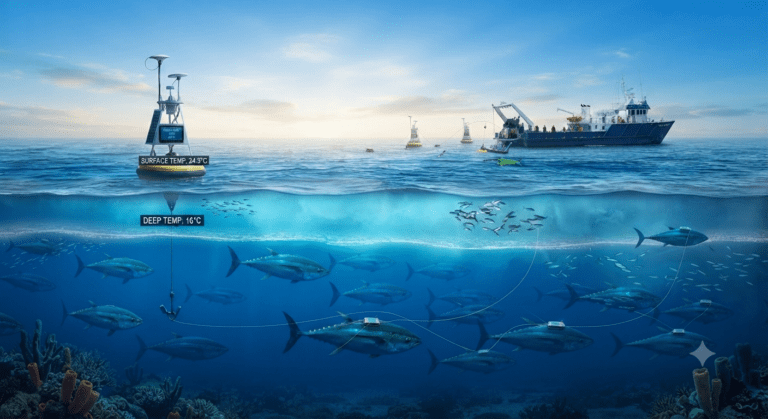
Modern marine research utilizes sophisticated electronic pop-up satellite archival tags and acoustic pingers attached to wild specimens. These instruments record continuous depth, temperature, and geolocation metrics over extended periods.
Recovered data streams provide unprecedented insight into open-ocean movement ecology.
Satellite Tags and Electronic Tracking
Satellite telemetry has transformed tracking capabilities by transmitting location and depth profiles directly to research networks once tags detach and float to the surface. This technology overcomes the logistical hurdles of following pelagic animals visually.
Researchers can monitor precise swimming vectors across international waters.
What Tracking Studies Reveal About Ocean Sunfish
Electronic tracking data disproves early assumptions of passive drift, confirming that individuals navigate with specific directional intent. Studies highlight consistent vertical diving routines and precise thermal corridor selection.
These findings redefine our understanding of pelagic migratory behavior.
Ocean Sunfish and Fishing
Interactions with commercial and recreational fisheries present complex challenges for species conservation and gear management. Their surface-basking habits and wide pelagic distribution frequently intersect with active fishing grounds.
Ocean Sunfish and Commercial Fishing
While targeted commercial fisheries are rare globally, populations face significant pressure as accidental catch in large-scale industrial operations. Their broad distribution often overlaps with intensive pelagic longline and driftnet sectors.
Managing these interactions is a central focus for modern marine conservation initiatives.
Ocean Sunfish Bycatch in Fishing Nets
Unintentional entanglement in commercial gillnets and longline gear represents a major mortality source. Their large physical bulk and lack of maneuverability make escape difficult once caught in commercial gear.
Mitigating bycatch requires ongoing collaboration between fisheries management bodies and conservationists.
Ocean Sunfish Encounters With Recreational Anglers
Offshore sport fishermen occasionally encounter surface-basking individuals while trolling deep blue waters. These rare encounters usually involve accidental hookups or peaceful sightings near offshore weed lines.
Responsible anglers prioritize safe handling and immediate release when contact occurs.
What Should Anglers Do If They Catch an Ocean Sunfish?
Encountering or accidentally hooking an individual requires prompt, careful action to prevent injury to the animal. Anglers are advised to keep lines clear, minimize handling duration, and avoid applying leverage to their delicate fins.
Safe release protocols ensure the animal returns to the water unharmed.
Safe Release of an Ocean Sunfish
Releasing an entangled or hooked specimen safely involves cutting the line as close to the hook as possible and allowing the animal to right itself in the water column without physical pulling. Avoiding lifting or dragging protects their fragile cartilaginous framework.
Proper release guidelines help preserve regional populations.
Ocean Sunfish Conservation and Human Threats
Human activities across marine sectors introduce multiple pressures that threaten open-ocean populations. Addressing these risks requires targeted conservation frameworks and international cooperation to safeguard pelagic habitats.
Is the Ocean Sunfish Endangered?
Current classifications by conservation organizations list certain species populations as vulnerable due to escalating commercial bycatch rates and habitat degradation. Monitoring population trends remains complex owing to their vast and remote pelagic distribution.
Ongoing assessments help clarify their true global conservation status.
Ocean Sunfish and Fishing Bycatch
Accidental entanglement in industrial driftnets and longline gear continues to account for significant adult mortality. Because these animals lack high reproductive turnover rates compared to smaller fish, sustained bycatch pressure poses a long-term threat.
Implementing modified gear designs helps reduce accidental captures.
Ocean Sunfish and Plastic Pollution
Floating plastic debris in open-ocean convergence zones presents a severe ingestion hazard. Individuals frequently mistake transparent plastic bags and synthetic sheeting for natural jellyfish prey, leading to fatal digestive obstructions.
Mitigating marine plastic waste is vital for protecting pelagic filter-feeders.
Climate Change and Ocean Sunfish
Rising sea surface temperatures and shifting oceanic current dynamics alter the distribution and abundance of gelatinous plankton. These environmental changes disrupt traditional migration routes and established feeding grounds.
Adapting to these rapid climatic shifts presents an ongoing survival challenge.
How Marine Pollution Affects Ocean Sunfish
Beyond physical plastic ingestion, chemical pollutants accumulating in open-water basins degrade the quality of pelagic habitats. Bioaccumulation of heavy metals and toxins through the food chain impacts long-term physiological health.
Protecting open ocean water quality is essential for ecosystem stability.
How Can Ocean Sunfish Be Protected?
Safeguarding populations requires establishing marine protected areas along key migratory corridors, improving commercial fishing gear regulations, and enforcing global initiatives to curb marine plastic pollution.
International collaboration among researchers and policy-makers remains critical for effective conservation.
Ocean Sunfish Relationship With Humans
Cultural fascination and recreational interactions shape public perception of these unusual pelagic creatures. Their gentle temperament and striking appearance make them sought-after subjects for marine ecotourism.
Are Ocean Sunfish Dangerous to Humans?
These animals possess no aggressive instincts, venom, or defensive traits that pose any physical threat to humans. Their docile nature and slow movements make interactions completely safe for swimmers and divers.
They represent one of the most harmless large vertebrates encountered in open water.
Ocean Sunfish Encounters With Divers
Scuba divers fortunate enough to encounter individuals in open water report peaceful, memorable experiences. The animals often permit close observation while maintaining a calm, unbothered demeanor.
These respectful underwater encounters drive global interest in marine conservation.
Ocean Sunfish Near Boats and Ships
Surface-basking habits frequently bring individuals close to maritime shipping lanes and recreational boating routes. Due to their slow reaction times at the surface, they remain vulnerable to vessel collisions.
Navigators are encouraged to maintain vigilance in known pelagic habitats.
Why Ocean Sunfish Are Popular With Marine Tourists
Their bizarre, prehistoric silhouette and serene underwater presence make them star attractions for global wildlife expeditions and diving tourism. Spotting one in the open ocean is considered a rare highlight for marine enthusiasts.
This ecotourism appeal supports broader educational campaigns for ocean protection.
Famous Ocean Sunfish Sightings
Notable historical and viral modern encounters documented by marine researchers and photographers have captured global public imagination. These iconic sightings highlight the mysterious beauty of open-pelagic wildlife.
Public engagement generated by these events fosters greater appreciation for marine biodiversity.
Ocean Sunfish Scientific Research
Investigating the ecology of open-ocean species requires innovative field methodologies and long-term data collection. Researchers combine telemetry, genetics, and historical databases to unravel the mysteries of their pelagic existence.
How Scientists Study Ocean Sunfish
Field research relies on a blend of acoustic tracking arrays, satellite archival tagging, aerial surveys, and genetic tissue analysis. These multidisciplinary approaches help marine biologists overcome the challenges of monitoring wide-ranging ocean animals.
Collaborative international networks share tracking data to map global population structures.
Satellite Tracking of Ocean Sunfish
Deploying advanced electronic tags provides continuous records of horizontal displacement and vertical diving profiles. These devices shed light on how individuals utilize thermal layers and ocean currents during extended journeys.
Data transmission enables real-time monitoring of migration paths across international waters.
What Scientists Have Learned From Tagged Ocean Sunfish
Tagging data has shattered previous misconceptions, revealing deep dives exceeding 600 meters and rapid thermal recovery intervals at the surface. These insights highlight sophisticated physiological adaptations to extreme pressure and temperature changes.
Such discoveries continue to refine our understanding of pelagic food web dynamics.
The Most Important Discoveries About Mola mola
Key breakthroughs include quantifying their extreme growth rates, mapping detailed vertical diving behavior, and confirming distinct species variations through genetic barcoding. These milestones mark a new era in marine biological research.
Continued investigation promises further insights into their unique evolutionary path.
Ocean Sunfish vs Other Sunfish Species
Taxonomic revisions within the family Molidae have identified multiple distinct species, prompting researchers to clarify physical differences and geographic overlaps among these pelagic giants.
Ocean Sunfish vs Hoodwinker Sunfish
Discovered relatively recently, the Hoodwinker Sunfish (Mola tecta) differs from its larger relative through smoother skin texture, a distinct clavus morphology, and a more slender profile during juvenile stages. Geographic distributions also show specific regional segregations.
Detailed morphological analysis is often required to distinguish between species in the field.
Ocean Sunfish vs Giant Ocean Sunfish
The Giant Ocean Sunfish (Mola alexandrini) achieves massive dimensions that rival or exceed typical specimens, featuring distinct head bumps and structural variations along the body margin. Their skeletal proportions and regional habitats differ across temperate basins.
Comparative studies help establish clear taxonomic boundaries within the genus.
Ocean Sunfish vs Sharptail Sunfish
The Sharptail Sunfish (Masturus lanceolatus) stands apart due to a distinct central projection extending from its clavus, forming a pointed tail extension unlike the rounded margin of standard species. This unique structural feature separates it at the genus level.
Such anatomical variations reflect diverse evolutionary adaptations across open-water niches.
How to Identify an Ocean Sunfish
Field identification relies on examining the rounded, wavy margin of the clavus, the absence of a distinct tail fin, a high vertical fin profile, and the absence of prominent head bumps found in related species. Skin texture provides a secondary diagnostic clue.
Careful observation ensures accurate classification by researchers and naturalists.
Key Physical Differences Between Mola Species
Distinguishing characteristics span clavus shape, dermal texture, maximum body proportions, and juvenile spine configurations. Genetic sequencing complements visual markers to resolve complex taxonomic classifications.
These distinctions ensure precise scientific record-keeping across marine databases.
Ocean Sunfish Amazing Facts
The biology of these open-water titans is packed with extraordinary records, unusual evolutionary traits, and surprising ecological adaptations that capture the imagination of marine enthusiasts worldwide.
The Biggest Ocean Sunfish Facts
Mature specimens hold undisputed records as the heaviest known bony fish on Earth, with verified weights soaring past 2,000 kilograms and vertical dimensions stretching over three meters. Their massive scale redefines standard vertebrate proportions.
This immense biological mass is supported almost entirely by lightweight cartilage.
The Smallest Stage of an Ocean Sunfish Life
Hatching from microscopic eggs measuring less than a millimeter, newborn larvae start their lives smaller than a standard grain of rice. These tiny creatures drift invisibly among open-ocean plankton before beginning their exponential growth phase.
Their minuscule beginning contrasts sharply with the multi-ton adult form.
The Strange Tail of the Ocean Sunfish
Lacking a conventional caudal fin and tail structure entirely, their body terminates abruptly in a modified, rubbery margin known as a clavus. This fused posterior structure acts as an integrated rudder for steering during vertical dives.
It represents one of the most radical skeletal modifications found in marine vertebrates.
The Record-Breaking Weight of Ocean Sunfish
Extreme historical specimens documented by fisheries and marine institutions have tipped scales at record-breaking levels near 2,300 kg, establishing unmatched mass benchmarks among osteichthyes species.
This sheer bulk requires relentless daily consumption of pelagic gelatinous biomass.
Why Ocean Sunfish Look Like Giant Swimming Heads
Their unusual visual silhouette stems from extreme evolutionary bone reduction, which eliminated the rear torso and tail while leaving a compressed, disc-like head structure and elongated vertical fins. This unique body plan optimizes vertical stability.
Observers often describe them as floating aquatic heads moving serenely through the blue.
10 Facts Most People Do Not Know About Ocean Sunfish
Fascinating lesser-known details include their ability to dive past 600 meters into freezing water, female egg counts reaching 300 million, a skeleton composed largely of cartilage, and symbiotic cleaning partnerships with pelagic seabirds. Additional facts cover their specialized fused beak teeth, rapid juvenile growth curves, lack of an air bladder, reliance on current-driven migration, protective spiny larval armor, and passive surface-basking thermal habits.
These remarkable traits highlight their unique evolutionary success in open ocean basins.
Ocean Sunfish Frequently Asked Questions
Addressing common queries provides clear, direct insights into the biology, behavior, and conservation status of these remarkable pelagic animals.
How big can an Ocean Sunfish get?
Mature individuals frequently measure over three meters vertically from fin tip to fin tip and span similar lengths horizontally, establishing them among the most physically imposing vertebrates in the open sea.
How much does an Ocean Sunfish weigh?
Fully grown adults routinely range between several hundred kilograms and over 2,000 kg, with extreme verified outliers pushing past 2,300 kilograms to hold the record for heaviest bony fish.
What does an Ocean Sunfish eat?
Dietary intake consists primarily of gelatinous macroplankton, with true jellyfish, comb jellies, salps, and siphonophores forming the bulk of daily nutritional volume.
Where does the Ocean Sunfish live?
Populations inhabit open pelagic waters across temperate and tropical ocean basins worldwide, favoring deep offshore environments and oceanic currents over shallow coastal zones.
How deep can an Ocean Sunfish dive?
Acoustic telemetry confirms that individuals regularly execute deep vertical descents plunging past 600 meters into twilight zones, with extreme dives approaching 1,000 meters depth.
Can an Ocean Sunfish hurt humans?
They possess no aggressive instincts, venom, or dangerous defense mechanisms, making peaceful underwater encounters completely safe for divers, snorkelers, and swimmers.
Why does the Ocean Sunfish bask at the surface?
Floating flat on the surface allows individuals to absorb solar warmth, restoring internal core body temperatures following deep, freezing foraging dives while facilitating cleaning symbiosis.
How fast can an Ocean Sunfish swim?
Cruising speeds are generally slow and deliberate to conserve metabolic energy, though they remain capable of sudden, powerful movements when startled or threatened.
How long does an Ocean Sunfish live?
While precise lifespan estimates in the wild remain challenging to calculate, tagging and captive studies suggest they can live for several decades in open ocean environments.
Is the Ocean Sunfish endangered?
Conservation assessments list regional populations under varying levels of concern, primarily threatened by industrial fishing bycatch, plastic debris ingestion, and shifting ocean thermal conditions.