How to Catch Catfish 2026: Giants of the World’s Rivers, Incredible Success

How to Catch Catfish
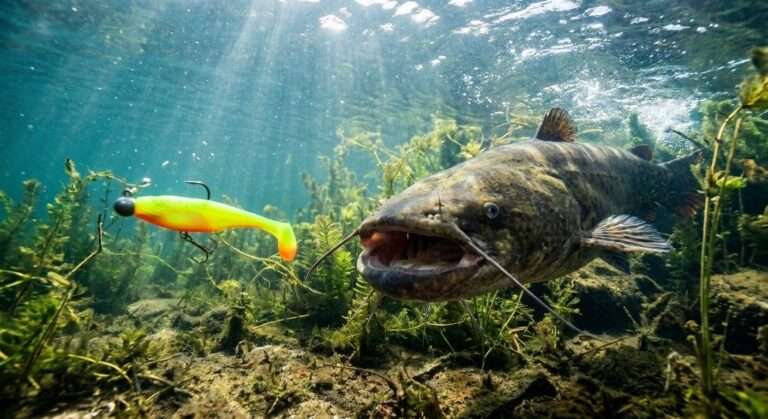
Catfish are among the most successful, diverse, and widespread predators on the planet. Found on every continent except Antarctica, these whiskers-bearing giants adapt to almost any environment—from mud-bottomed ponds to roaring river channels.
Whether it is the high-tech boat angling of Europe, the extreme hand-fishing of America, or the massive river monsters of Asia, catfish command respect worldwide.
Global Distribution: Where Do the Giants Live?
The catfish family (Siluriformes) includes over 3,000 species, but three regions stand out for producing true river monsters:
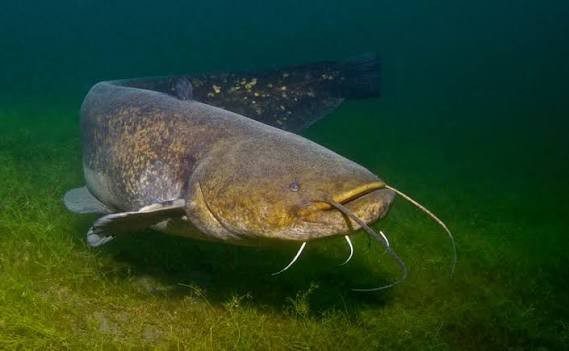
•Europe (The Danube, Ebro, and Po Rivers): Home to the legendary Wels Catfish (Silurus glanis). This is Europe’s largest freshwater predator, thriving from Germany and France down to Spain, Italy, and the Balkan Peninsula (Dunav, Tisa, Sava).
•North America (The Mississippi and Missouri Basins): Dominated by the Blue Catfish and the predatory Flathead Catfish, which love heavy timber and deep river bends.
•South America (The Amazon and Orinoco Basins): Home to the incredibly powerful Piraíba (Lau-Lau) and Redtail Catfish. These fish patrol the massive, fast-flowing currents of the rainforest.
•Asia (The Mekong River Basin): Home to the Mekong Giant Catfish, one of the largest strictly freshwater fish species in the world, adapted to the massive depths of Southeast Asia.
World Records: The Heaviest Catches
Different species reach mind-boggling sizes across the globe
SpeciesRegionRecord WeightFeature
Mekong Giant CatfishSoutheast •Asia646 lbs (293 kg)The absolute heaviest freshwater catfish ever recorded.
•Wels CatfishEurope (Po River, Italy)281 lbs (127.5 kg)The European record, measuring over 2.85 meters.
•Blue CatfishNorth America (Virginia)143 lbs (65 kg)
•The North American heavy-tackle record.
PiraíbaSouth America (Amazon)341 lbs (155 kg)The apex predator of the Amazonian currents.
Diet: What Do Global Catfish Eat?
While smaller species are scavengers, giant catfish are highly efficient apex predators:
•Fish and Crustaceans: The bulk of their diet consists of local fish (carp, bream, shad) and large crayfish or crabs.
•Terrestrial Prey: Large Wels catfish in Europe are famous for targeting pigeons and waterbirds at the river’s edge, launching themselves out of the water like killer whales.
•Mammals: Giant Amazonian and European catfish easily swallow rodents, muskrats, and any small mammal unfortunate enough to fall into the current.
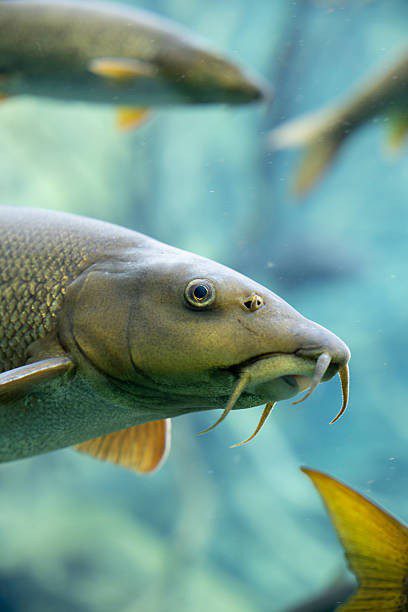
•Scent and Vibration: They rely heavily on their whiskers (barbels) and a highly sensitive lateral line to detect vibrations and chemical trails in pitch-black or muddy water.
Extreme Angling Methods
The diversity of catfish has birthed diverse, adrenaline-pumping fishing styles across the globe.
Rod and Reel: how to catch catfish From Bank and Boat
The Heavy Gear: Targeting global giants requires saltwater-grade tackle: stiff 2.4-3.0m composite rods, massive spinning or multiplier reels, and 80 to 150 lb braided lines with thick steel, monofilament, or Kevlar leaders.
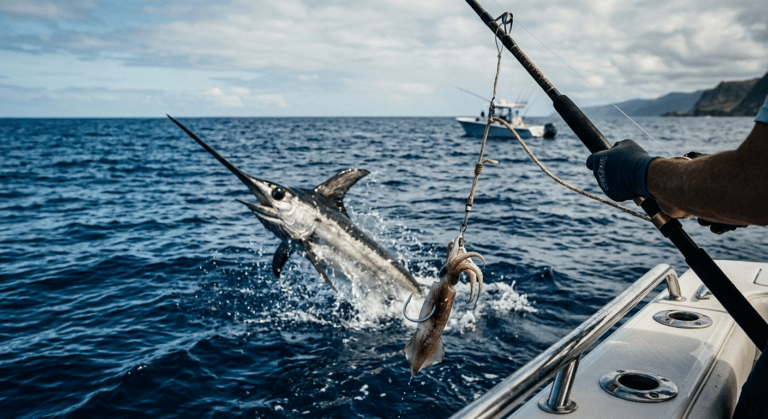
Bank Fishing: Popular worldwide. Anglers use heavy lead weights (100–300g) to anchor large baits—like a 1 kg live carp, a bunch of nightcrawlers, or squid—directly on the river bed.
The Circle Hook Revolution: Originally from commercial sea fishing, Circle Hooks (sizes 8/0 to 12/0) are now used globally. They prevent deep hooking, sliding perfectly into the corner of the fish’s mouth as it pulls away against the rod’s tension.
Clonk Fishing : A traditional European method where anglers drift in a boat and use a wooden or plastic tool called a clonk to strike the water surface. The distinct “popping” sound mimics feeding catfish or air bubbles, drawing giants up from deep holes directly to suspended baits.
Noodling: how to catch catfish Hand-Fishing
An extreme, traditional method popularized in the Southern United States (Oklahoma, Mississippi, Texas).
During the summer spawning season, anglers dive underwater completely unarmed and slide their bare hands into hollow logs or mud caves where massive Flathead catfish guard their nests. The fish bites the angler’s hand out of aggression, allowing the “noodler” to grip its lower jaw and wrestle the 20-40 kg giant to the surface.
Meat Quality: Flavor and Texture
Catfish meat is highly valued in traditional cuisines globally, though its profile changes drastically between wild and farmed fish.
Texture: Wild catfish meat is moist, firm, and flaky when cooked. Unlike the dense, chicken-like meat of the alligator gar, catfish offers classic, tender fish flakes.
Wild Predators: Species like the Flathead (USA) or moderately sized Wels (Europe) have a very clean, sweet, and white meat because they feed primarily on live prey.
The “Muddy” Factor: Older, massive bottom-dwelling giants can sometimes develop an earthy or muddy taste if caught in stagnant, muddy wather.
Catfish fishing
is one of the most popular categories in the world of fishing, whether fishing on rivers or lakes. Catfish is a huge river predator and one of the largest freshwater fish in the world, it can reach a length of up to 3 meters and weigh up to 200 kilograms. In our country, there was a case of catfish catching about 200 kilograms, in Apatin in 1958.
These are, of course, very rare and capital specimens of catfish caught in our country, especially in the last 10-20 years. The standard hunting length of catfish is about 1 meter in length and weighs 10-30 kilograms, everything over this can be considered a capital catch! If you want to target catfish hunting and maybe break this record from 1958, start with this article in which we wrote about the basics of catfish fishing, the most popular techniques, baits, necessary equipment and much more.
Catfish fishing techniques
The most popular catfish fishing systems are deep-sea fishing for live baits, cheating, catfish fishing and less popular but also very successful, float float catfish fishing. These techniques are applicable on all waters, somewhere less, somewhere more, but if you are persistent enough, you will succeed in any of the listed techniques.
Play and explore, when you find out which way of catching catfish suits you and where you have more success, then perfect that technique.
Fishing in the depths
This is a very popular catfish fishing technique all over the world. As the name suggests, the essence is to place a live or dead bait (cedar, rovac, durdubak, worm…) 40-50 cm from the bottom of the river where you are “waiting” for the catfish to come and “pick up” the bait.
There are many systems for deep fishing for catfish, but the highest quality system is the one that is the simplest – the fewer knots and moorings, the less likely you are to shoot, so we will describe such a syst em here.
As you can see in the sketch, this is a very simple system used by harsh professionals and beginners around the world for decades.
The essence is to adjust the weight of the lead and the distance of the bait from the bottom to the water on which you are fishing.
On strong rivers of the Danube or Sava, be sure to use heavier lead, of at least 100-150 grams, while on calmer waters of the Tamis or on lakes, you can use less lead.
You have to titrate the height, that is, the distance of the bait from the bottom, because there are no rules, sometimes the catfish will hit almost at the very bottom, that is, 10-20 cm from the bottom, and sometimes at 70-80 cm. It is best to test by adjusting the different depths at which the bait is located on 2 or 3 rods.
Catfish lures
It is good to test different types of baits at different depths. Put a live cedar on one stick, durdubake on the other, dredgers on the third, worms on the third… It happens that one day, for a reason known only to him, the catfish takes the ditches, and the other baits will not even touch, while the next day they will attack the worms as that tomorrow does not exist. Prepare seriously for catfish, get all kinds of baits to increase the chance of catching.
How to Catch on durdubak
Dudubak is a type of leech that feeds on live prey such as worms or insects, lives at the bottom of rivers and in mud and is a natural food for catfish. It is best to attach the durdubak to the hook by stabbing it only once or twice, so that this drinker can curl around the hook as much as possible, and in that way it will also attract catfish if it is nearby. A catfish that is looking for food cannot ignore a durdubak that is hooked in this way!
Fishing for catfish
Rovac, even if it does not live in water, is a very popular bait, not only for catfish, but also for other fish such as barbel or chub. Experienced anglers put it on the hook, by piercing it with the tip of the hook just above the armor and gently pulling it all over the hook, so that they injure it as little as possible, so that it stays alive and moving. You can put it in water like this, but some anglers say that the “secret trick” is to put a stabbed ditch with all the hooks in cellophane from a pack of cigarettes, which you will tie with nylon on the opening as well as possible, so that it does not fill with water.
In this way, the hunter will stay alive longer due to the small supply of oxygen that is in the cellophane, and he will hump all the time and try to get rid of it, that scratching makes a specific noise that will attract catfish if it is nearby.
From experience, I think that this is not necessary, because the rover alone with its specific smell will attract catfish that are looking for food and without cellophane.
It’s up to you to test.
Trenches are a natural habitat for meadows or pastures, they are very difficult to find, so the advice is to buy them. You can find them in every better-supplied shop at a pr ice of 40-50 dinars per piece.
How to Catch on worms
The earthworm is, in the opinion of many somadji, the best living bait for a mustache. Especially after the rain, when the water washes the surface of the earth into the river, and with it the earthworms, which become natural food for fish. The famous rose, made of a lot of worms attached to a hook, the ends of which twist and move constantly in the water, can attract even the largest specimens of catfish.
You can collect earthworms yourself after the rain in the yard, park, under the stone and the like, and you can buy them in any fishing equipment store at a price of 5-10 dinars per
How to Catch on smal fish
This technique deserves a separate topic, which we will certainly process and post on the blog. Fishing for catfish, not cedar, means hooking live or dead fish on a hook and thus “hooking” a catfish that will surely swallow this kind of bait if it is found nearby. There is no answer as to which is better, whether live or dead bait, just as there is no answer as to which fish to use for bait. Some will advise you to catch a perch that is very durable, others will tell you that roach or bream are the best baits…
We tell you to test because there are no rules!
You can buy cedars in most fishing shops, but the advice of the old alas is to lure the catfish with cedar from the water in which you are looking for it.
How to Catch on lures
or catfish hunting, “fat” wobblers with rattles are most often used, because they make noise underwater, which will raise the full catfish from the bottom. Some of the most popular catfish wobblers are Rapala Fat Rap and Mini Fat Rap, which are produced in several great decors.
In addition to factory wobblers, with us you can find a large selection of handmade lures, of excellent quality.
Metal decoys for catfish, spoons and butterflies are included. The most popular choices are Dam effzett spoons, Coat of arms, respectively, Dikom valarice, Meps and the like. Of course, there are many other types of no-name metal lures that give excellent results, and in a separate article we will discuss the topic of all types of catfish lures.
Here are the expanded topics for your article, written in English and focused purely on angling techniques, hooks, and gear without using the word “som” or its English translation:
Advanced Hook Selection and Rigging Techniques for Monster River Predators
When targeting giant freshwater predators, your entire setup is only as strong as your hook. For massive fish, you need to look beyond standard hooks and opt for heavy-duty, forged steel options like 4X or 5X strong circle or J-hooks. Circle hooks are excellent for catch-and-release as they automatically slide to the corner of the mouth, while J-hooks provide a faster set when using active techniques. Properly rigging these hooks involves making sure the point and barb remain completely exposed, even when using bulky, heavy baits. If the bait covers the gap of the hook, you will miss the strike completely when a massive predator bites.
The Critical Importance of Leader Line Strength and Shock Resistance
The final few feet of your line take the most beating during a fight with a powerful underwater beast. Using a heavy mono or fluorocarbon leader (typically between 60 to 100 lbs) provides vital abrasion resistance against underwater rocks, structures, and the abrasive, sandpaper-like jaws of large predatory fish. Fluorocarbon offers the advantage of being nearly invisible underwater, which helps when dealing with wary, older fish in clear water. Mono, on the other hand, provides a bit more stretch and shock absorption, which prevents the hook from tearing out during sudden, violent runs near the boat or bank.
Precision Rigging for Large, Heavy Live and Dead Baits
Presenting a heavy live bait naturally requires specialized rigging methods to ensure the bait stays active and appealing. Hooking a large live baitfish through the tough cartilage of the nose or just behind the dorsal fin allows it to swim freely and send out distress vibrations through the water column. For dead bait presentations, using a dual-hook rig or a heavy-duty hair rig ensures that the bait stays securely attached during long, powerful casts into deep river currents. The weight of the sinker must be carefully balanced with the current to keep the bait exactly in the strike zone without anchoring it unnaturally.
Reading Underwater Topography: Mapping Deep Holes and Structural Obstacles
Giant river predators are ambush hunters that spend most of their time tucked away in deep, dark underwater structures. To find them, anglers must learn to identify deep river bends, sharp drop-offs, sunken log jams, and large boulders that create current breaks. These predators sit right on the edge of these eddies, waiting for the current to wash injured baitfish directly to them. Dropping your rig right above a deep hole or precisely on the upstream side of a massive structural obstacle is the most effective way to trigger a massive bite.
Seasonal Feeding Behaviors and Shifting Habitat Patterns
The movement and feeding habits of large freshwater fish change drastically depending on the water temperature and season. In the early spring, as waters begin to warm up, predators move out of deep wintering holes and venture into shallower, faster-warming bays to feed aggressively. During the peak of summer, they retreat back into the deepest, oxygen-rich pools during the day and only move into shallow flats to hunt under the cover of darkness. Understanding these seasonal transitions tells you exactly whether to fish deep water or target shallow drop-offs.
Weather Barometers: How Atmospheric Pressure and Temperature Shifts Trigger Bites
Weather plays a massive role in how actively predatory fish will hunt. A falling barometer right before a major storm front often triggers an intense, aggressive feeding frenzy, making it the absolute best time to be on the water. Conversely, a high-pressure system with clear, bright blue skies usually causes these sensitive fish to lock down deep inside heavy cover and refuse to move. Water temperature drops will slow down their metabolism, requiring slower, more precise bait presentations right in front of their noses, while rising temperatures increase their energy and hunting range.
Night Angling Strategies for Targeting Giant Current Hunters
Many of the largest, most legendary freshwater monsters are almost entirely nocturnal, using the darkness to hunt large prey with complete confidence. Night angling requires extreme preparation, heavy-duty tackle, and specialized gear like glow-in-the-dark tip indicators or electronic bite alarms. Because visibility is low, positioning your baits along shallow gravel bars, drop-offs, or near bankside vegetation where baitfish congregate at night is highly effective. The cover of darkness allows these massive predators to leave their deep haunts and patrol shallow waters they would never enter during the day.
Maximizing Scent and Vibration Output in Heavy-Duty Artificial Lures
When using artificial lures for giant river predators, sensory output is far more important than visual looks, as these fish often hunt in murky, muddy waters. Heavy-duty rattling crankbaits, massive spoons, and oversized soft plastics with large paddle tails create immense underwater vibrations that fish can detect from far away using their lateral lines. Adding heavy, oil-based scents to your lures creates a powerful trail in the current, guiding the predator directly to the hook even when underwater visibility is absolutely zero.
Safe Handling, Heavy Lifting, and Ethical Release of Apex Trophies
Landing a massive, heavy apex predator is a true achievement, but the job isn’t done until the fish is safely returned to the water. Traditional, small landing nets can damage the protective slime coat and fins of a large fish, so using heavy-duty, rubber-coated weighing slings or specialized lip-gripping tools is essential. When lifting a giant fish for a quick photo, always support its massive weight horizontally with both hands—never hold it vertically by the lower jaw, as this can severely damage its internal organs and spine. Revive the fish patiently in the current until it regains its strength and swims away powerfully on its own.
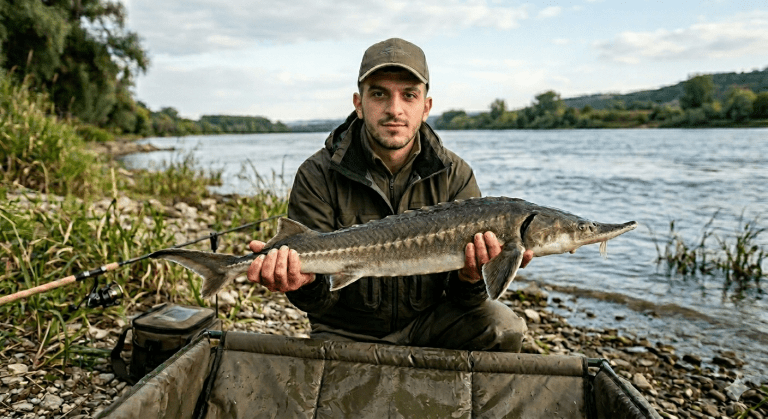
This article is intended for beginners who are just starting the adventure of catfish fishing, write your opinion in the comments, suggest something we left out and contact us with a picture of your capital catch!
Global Culinary Styles:
USA: Coated in seasoned cornmeal (kukuruzno brašno) and deep-fried into crispy strips.
Europe / Balkans: Prepared as a rich, spicy fish stew or cut into thick steaks, marinated in garlic and lemon, and grilled or fried.
Asia: Grilled over charcoal with heavy soy and chili glazes, or used in highly aromatic curries.
Nutritional Profile: Clean Energy and High Protein
Wild catfish is a nutritional powerhouse, making it an excellent fuel source for active lifestyles and muscle recovery.
Macronutrient Profile (Per 100g of raw fillet):
Protein: 18g to 19g of highly bioavailable, complete protein containing all essential amino acids.
Fat: ~4g–5g (Very low in bad saturated fats, but highly rich in Omega-3 and Omega-6 fatty acids which lower inflammation and protect heart health).
Calories: ~130 kcal.
Vitamins & Minerals: Exceptional source of Vitamin B12 (essential for brain function and energy production), Vitamin D, selenium, and potassium
⚠️ Sustainability Tip: For the best taste and health profile, anglers prefer harvesting fish in the 3 to 10 kg range. The ancient, triple-digit river monsters are typically full of tough meat and can accumulate higher levels of environmental contaminants due to their long lifespans—making them far better suited for a quick photo and a safe release back into the current.
How is Prepared: USA vs. Balkans
Preparation in the USA (Southern Style)
In the United States, particularly in the Southern states, catfish is a culinary staple. The primary goal is often to create a bold, crunchy, or highly spiced exterior to complement the mild fish.
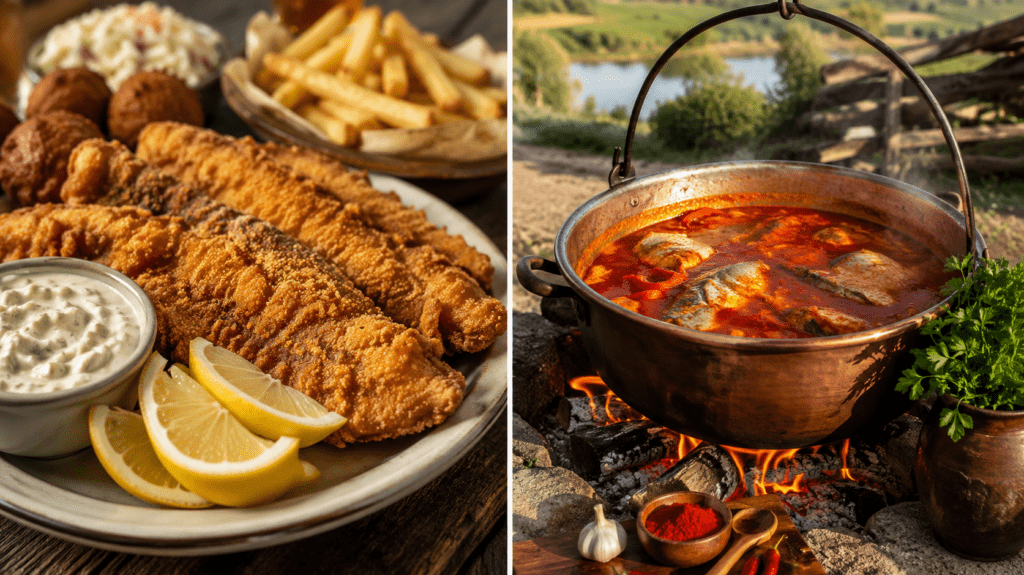
Fried Catfish: This is the most iconic American preparation. Fillets are typically soaked in buttermilk or coated in a light layer of mustard and hot sauce. They are then dredged in seasoned cornmeal (mixed with garlic powder, onion powder, paprika, and cayenne pepper) and deep-fried until extremely crispy. It is traditionally served with tartar sauce, lemon wedges, and hushpuppies (deep-fried cornmeal balls).
Blackened Catfish: A hallmark of Cajun and Creole cuisine from Louisiana. The fish is heavily coated in melted butter and a potent spice blend (thyme, oregano, paprika, white and black pepper). It is then seared in an intensely hot cast-iron skillet, causing the spices and butter to char instantly, creating a flavorful dark crust while keeping the inside tender.
Catfish Gumbo & Stews: In Creole cooking, catfish is often simmered in rich, hearty dishes like Gumbo (based on a dark roux and the “holy trinity” of celery, onions, and bell peppers) or Catfish Courtbouillon (a spicy tomato and wine-based broth).
Preparation in the Balkans
In the Balkan region, catfish (known locally as som) is highly prized as a top-tier freshwater fish. The preparation methods focus on preserving the natural texture of the fish, balancing its richness, and removing any muddy undertones using local ingredients.
Fiš Paprikaš (Freshwater Fish Stew): This is arguably the most famous way to eat catfish in the northern Balkans (Pannonian region, along the Danube and Sava rivers). Catfish chunks are stewed in a heavy copper cauldron over an open fire. The broth is intensely flavored with large amounts of local red paprika (both sweet and hot), onions, and white wine. It is traditionally served with thick, homemade egg noodles.
Traditional Pan-Fried or Grilled Som: Catfish steaks or fillets are simply seasoned with salt, black pepper, and garlic. They are usually dredged in a light layer of standard wheat flour (sometimes mixed with a bit of sweet paprika powder) and shallow-fried in a pan with oil or lard. When grilled (na roštilju), it is frequently basted with a mixture of olive oil, finely chopped garlic, and fresh parsley.
Baked Catfish with Vegetables (Som u rerni): Catfish is often baked in the oven on a bed of traditional Balkan vegetables, such as onions, potatoes, bell peppers, and tomatoes, seasoned with bay leaves. It is sometimes baked with a layer of sour cream (pavlaka) or white wine poured over the top to keep the rich meat perfectly succulent.
Smoked Catfish (Dimljeni som): In some traditional taverns (kafane) near rivers, catfish is cold- or hot-smoked. Smoked catfish is a delicacy, usually briefly grilled before serving to warm it up and crisp the skin, bringing out a rich, deep flavor.
If you’re interested in more Balkan recipes, want to experiment with cooking, and would like to try another dish from the region, click the link in the description to prepare a delicious carp fish soup. Many people underestimate carp, but it is actually an exceptional fish.