Fish and the Impact of Water Temperature on Its Life, Movement, and Positioning: Perfect Water Dominance 2026
Understanding the complex hydrothermal dynamics within freshwater and marine ecosystems forms the essential foundation that separates casual anglers from seasoned fishing experts. Every fish functions as a poikilothermic organism, which practically means that its internal body temperature is directly dictated by the surrounding environment.
Contrary to the misconception that aquatic populations move randomly, a shift of just one degree Celsius triggers massive reorganizations in their micro-location distribution throughout the water column. When water temperature drops sharply, water viscosity increases while the metabolic rate slows down drastically. This forces the organism to reduce movement and transition into a energy-conservation mode.
On the other hand, under extreme summer heating conditions, dissolved oxygen molecules are physically displaced from the water. Critically low oxygen levels force fish to seek structures that provide adequate aeration, faster current, or hydrostatic stability.
Whether observing spring thermal pockets in sunny shallows, summer stratification with thermocline formation, or winter positioning in deep holes, every movement is predetermined by biology. An angler who successfully deciphers these parameters and links them to bottom topography avoids wasting time searching empty waters, focusing effort where fish activity is physiologically guaranteed throughout the season.
How React to Temperature Changes and Metabolic Processes
To precisely define micro-positioning on the water, it is necessary to break down the concept of the preferred thermal zone. This parameter directly controls enzymatic activity and the overall digestion rate in all aquatic vertebrates. Every fish has a specific evolutionary tolerance range within which its body functions at maximum energy efficiency.
Thermal Comfort That Seek
When environmental parameters remain within this optimal range, nutrient absorption in the digestive tract is rapid, stress levels are minimal, and the feeding urge is at its peak. However, as soon as thermal values drift outside this comfort zone, complex compensatory mechanisms kick in that directly alter behavior in the water.
Metabolic Slowdown When Cool Down
In cold conditions, basal metabolism drops to a level requiring significantly less frequent feeding. A drastic slowdown in digestive processes means a single meal can take days to process instead of hours. Under these circumstances, activity shifts primarily to areas without strong river currents that would waste precious calorie reserves, leading fish to select calm eddies, submerged depressions, underwater channels, or deep bays.
Summer Stress and the Thermocline Where Reside
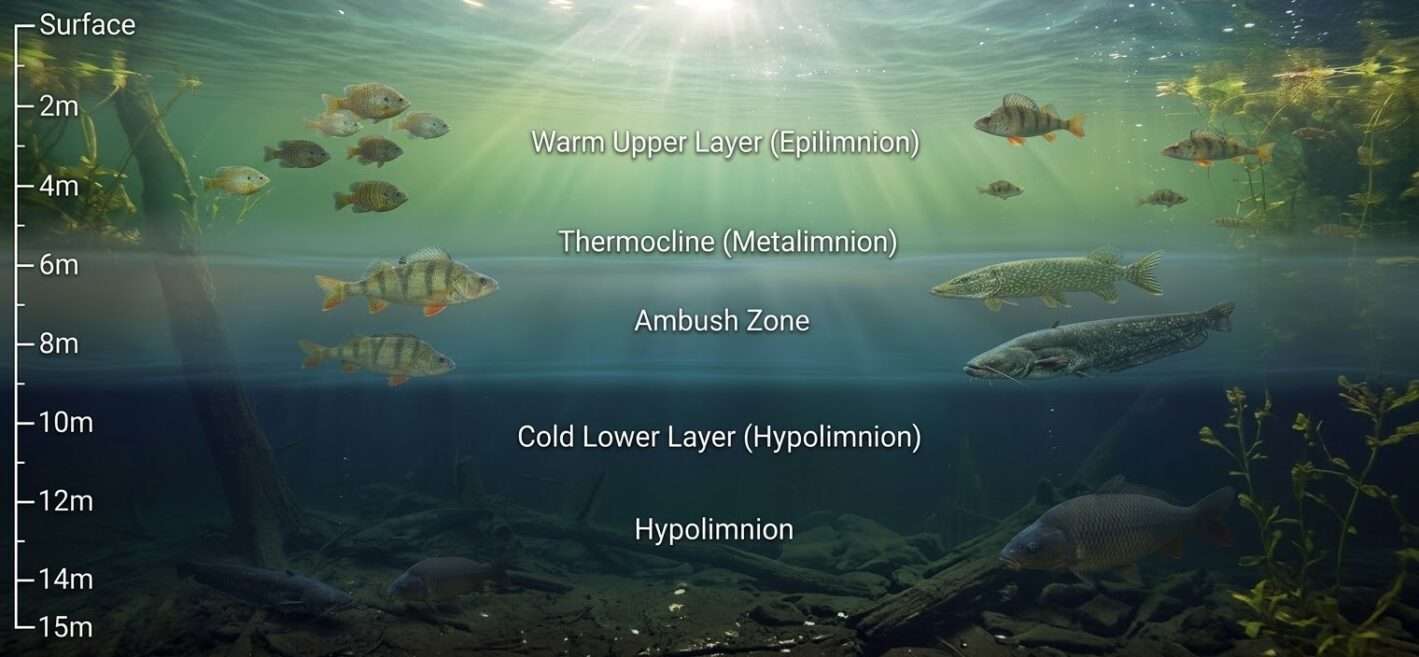
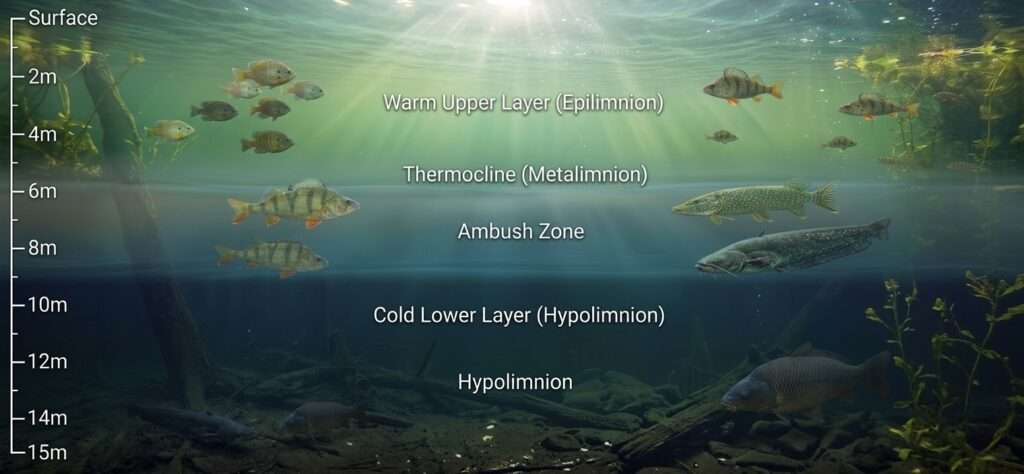
Conversely, when summer heat overheats the surface layers, dangerous thermal stress sets in, affecting internal organs and reducing blood oxygen saturation. This triggers limnic stratification in standing waters—the division of the water column into a warmer upper layer (epilimnion), a transition layer (thermocline), and a cold bottom layer (hypolimnion).
Biological Choice of the Zone Where Survive
During this specific period, primary positioning is chosen not by food availability, but by strict biological necessity for oxygen and tolerable temperatures. Fish populations most frequently locate themselves right along the thermocline border.
Hunting Strategy That Apply in Summer
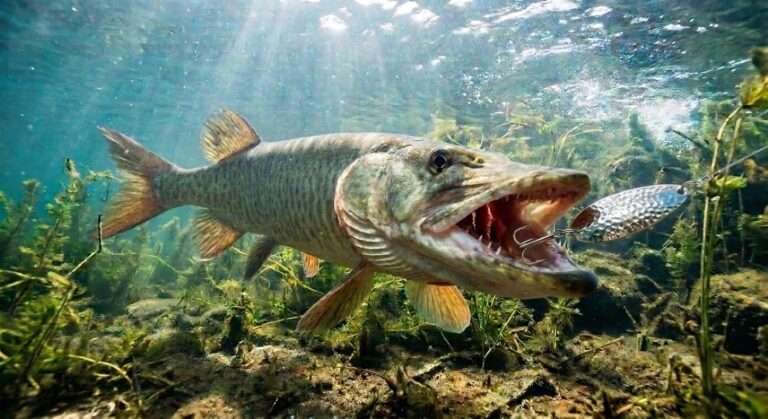
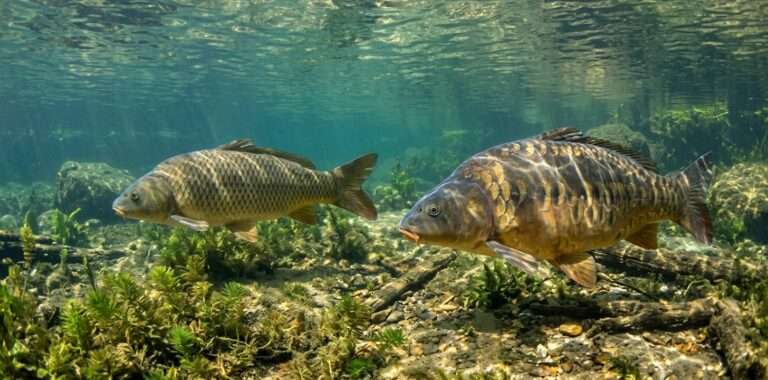
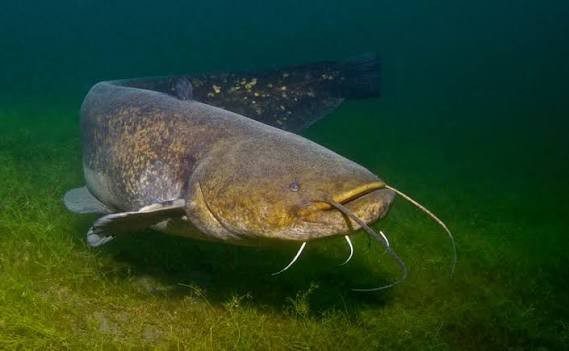
Predators like pike-perch, catfish, or large perch skillfully utilize these dark, cooler zones to set up ambushes. Cyprinid species target sunny shallows only during short time windows when surface pressure and temperatures drop, typically during early morning hours.
Precise Layer Mapping Where Hold
Understanding these metabolic thresholds allows the angler to stop viewing the water as a uniform body, initiating a systematic search through the water column by precisely defined temperature layers.
How Fish Choose Position During Spring and Summer
The dynamics of movement and micro-location selection during spring warming and extreme summer heat require completely opposing water-reading strategies. During early spring, muddy shallows, sheltered bays, and reed-lined shorelines absorb solar energy first.
Spring Shallows Where Fish Feed
These areas create specific microclimates where the water temperature is two to three degrees higher than in the open current. This subtle difference is enough to wake phyto- and zooplankton, instantly attracting schools of small baitfish followed closely by larger predators seeking a quick meal before spawning.
Summer Migration Where Seek Depth
Shallows become primary feeding zones, especially in the afternoon when the bottom has absorbed maximum warmth. However, as late summer arrives and high temperatures stabilize, shallow zones lose their biological appeal as they turn into overheated, oxygen-depleted environments.
River Currents Where Fish Find Oxygen
The entire population then shifts toward deeper river structures, main channels, steep underwater drop-offs, and areas around bridge piers where continuous water mixing provides natural aeration.
Underwater Structure Where Fish Rest
The summer pattern demands searching for locations combining shelter from direct UV radiation with stable thermal conditions. Submerged timber on steep depth transitions, shade from dense bank vegetation, or cold tributary inflows serve as key targets for success during the hottest time of year.
How Fish React to Cold Days in Autumn and Winter
The gradual stabilization of autumn brings cooling to the surface layer, triggering the seasonal water turnover and completely breaking down the summer thermocline. During this transition period, metabolism operates at elevated levels as fish instinctively build up fat reserves needed for winter dormancy.
Winter Holes Where Fish Group Together
Yet, with the first severe frosts and parameter drops below critical limits, a drastic spatial reorganization occurs. In winter, water reaches its maximum density at exactly 3.98 degrees Celsius. This warmest, densest layer naturally settles at the bottom of the deepest river holes and lake depressions.
Static Schools Where Fish Conserve Energy
Fish gather en masse into tightly packed, often stationary schools inside these deep thermal pockets to minimize energy loss.
Short Feeding Windows When Fish Feed in Winter
Movement outside winter holding areas becomes rare and minimal, with active feeding windows shortening to just twenty to thirty minutes during the warmest part of the day.
Slow Lures That Fish Respond to in Winter
Lure presentation in these conditions must be surgically precise, extremely slow, and worked right along the bottom. A sluggish fish in cold water will not move even a meter out of its immediate comfort zone to strike at food.
Practical Tips from Experienced Forums for Successful Fishing
Based on extensive field observations and shared experience from expert anglers on specialized forums, here are five key practical rules for locating fish based on hydrothermal conditions:
- Precise Depth-Layer Temperature Measurement: Experienced forum members emphasize that surface thermometers are insufficient. Using submersible probe thermometers reveals exact temperature steps across layers, enabling precise depth targeting where fish are holding.
- Maximizing Windward Shorelines in Spring: Strong spring winds push warm, sun-heated surface water directly against one shoreline. Forum veterans confirm this wind-beaten shore is significantly more active, as it concentrates the entire food chain from micro-organisms to top predators.
- Identifying the Thermocline on Fishfinders: During summer on deep reservoirs, modern sonar units clearly display a distinct horizontal band marking the density boundary. Focus fishing right above this line, where the balance of dissolved oxygen and moderate temperature is optimal.
- Slowing Presentation Speed with Temperature Drops: A golden rule from the forums: for every registered drop of two degrees Celsius, halve the lure retrieval speed or feeding frequency. Use smaller lures presented on lighter jigs or rigs to match sluggish reflexes.
- Mapping Micro-Locations with Underground Springs: In winter, prime target areas are internal underwater springs and small tributaries with stable year-round temperatures. These spots act as natural heaters, holding larger fish in concentrated areas.
How Lunar Phases Affect Fish Behavior
Beyond water temperature, lunar phases and gravitational pull directly influence feeding patterns. Learn how night fishing during a full moon alters underwater activity and where to position your presentation.