What Really Spooks Fish: Essential Fishing Knowledge for Every Angler in 2026
Understanding Underwater Stealth: The Secrets to Successful Fishing
Many anglers spend countless hours fine-tuning their rigs, choosing the perfect bait, and selecting high-end tackle, only to leave the water empty-handed. The reason often comes down to one overlooked factor: spooking the fish before they even have a chance to see the bait. They are highly evolved creatures with sensory systems exquisitely tuned to detect danger in their aquatic environment. Understanding what triggers their survival instincts can transform your approach to angling and lead to far more productive days on the water.
Every body of water presents a unique dynamic, but the primary drivers of behavior remain constant. Shadows, sudden sound vibrations, unnatural line profiles, and chemical scents can instantly send target species into hiding or make them completely shut down their feeding activity. By learning perceive their surroundings through vision, lateral line sensing, and olfactory organs, you can adjust your tactics to remain undetected and increase your strike rate significantly.
Visual Triggers That Ruin Fishing Opportunities
Sight is one of the primary senses fish rely on to forage and detect predators. Because light behaves differently underwater, view the world through a optical window near the surface, while also detecting movement and shadows along the bank or boat edge. Bright clothing, direct sunlight casting long human shadows over holding cover, and sudden fast movements above the surface are the most common visual mistakes anglers make.
To minimize your visual footprint, always approach the bank or fishing spot slowly and keep a low profile. Wear neutral or camouflage colors that blend in with the surrounding vegetation or sky, and position yourself so your shadow falls away from the water rather than across the target area.
Acoustic Shockwaves and Their Impact on Fishing
Water conducts sound nearly four times faster than air, making fish extremely sensitive to acoustic vibrations. Drop a pair of pliers on a boat deck or slam a tackle box lid, and the resulting shockwave travels rapidly through the water column, alerting immediate vicinity to an unnatural presence.
Sound travels through structural connections effortlessly. Footsteps heavy on a wooden dock, trolling motor propeller noise, or aggressive wading through gravel riverbeds generate underwater vibrations that cause fish to immediately freeze or retreat to deeper cover. Practicing silence on the water—moving quietly, securing loose gear, and using low motor speeds—is critical for spook-free angling.
The Lateral Line System: How Sense Fishing Pressure
Running along the side of a fish’s body is the lateral line—a highly sensitive organ that detects low-frequency vibrations and pressure changes in the water. This sensory system allows to “see” in pitch darkness, navigate muddy water, and feel approaching predators or prey.
Heavy, splashing casts that drop lures onto the water like stones can overload a fish’s lateral line and trigger a flight response. Instead of dropping bait directly on top of suspected holding cover, cast past the target area and gently retrieve the lure into the strike zone to avoid alarming wary species.
Scent and Chemical Warning Signs in Fishing
A fish’s sense of smell is remarkably acute, often thousands of times more sensitive than that of humans.They use olfactory cues to locate food, identify mates, and recognize alarm substances released by injured prey or potential threats. Chemical contamination on your hands or tackle can instantly deter a fish from taking an otherwise perfect presentation.
Common human scents that repel include sunscreen, insect repellent, gasoline, tobacco, and soap residues. Washing your hands with natural bank mud or scent-free soap before handling line, bait, or lures removes these warning signals and ensures your bait smells natural underwater.
Advanced Techniques to Avoid Spooking While Fishing
Overcoming a fish’s natural defenses requires deliberate adjustments to your gear choices, line selection, and approach strategy. Fine-tuning these details turns educated, heavily pressured fish into willing biters.
Choosing the Right Fishing Line Visibility
Line visibility plays a massive role in whether decides to commit or turn away at the last second. In crystal-clear water or high-pressure fisheries, heavy braided lines or thick bright monofilament can stick out like a sore thumb, signaling danger to wary fish.
Fluorocarbon Leaders for Fishing Stealth
Fluorocarbon line has a refractive index very close to that of water, making it virtually invisible beneath the surface. Using a fluorocarbon leader attached to your main line provides the strength you need while maintaining a stealthy presentation in clear conditions.
Budget-Friendly Stealth Lines from Temu That Won’t Spook Fish
If you are looking for ultra-affordable gear, platforms like Temu offer several budget-friendly lines and leaders that effectively hide your rig from cautious fish without breaking the bank.
- Kingdom Invisible Fluorocarbon Leader / Line: A highly affordable, 100% fluorocarbon option available on Temu. Its refractive index closely matches clear water, making it nearly invisible near structure.
- KastKing Fortis / WorldPremium Braid (Moss Green): Widely available on Temu at low prices, this moss green braided line blends seamlessly into lily pads, weeds, and murky water columns.
- Seaknight Monster W8 Braided Line (Low-Vis Camo / Dark Green): A budget 8-strand braid that offers smooth casting, quiet performance through rod guides, and dark stealth colors that don’t alert wary fish.
- Dagezi / Hercules Clear Monofilament & Fluorocarbon Coating Lines: Extremely cheap entry-level lines on Temu designed for low water visibility, ideal for tying stealthy leaders for light tackle setups.
Matching Line Color to Fishing Water Conditions
Using low-visibility green or clear lines in stained or vegetation-heavy waters helps your rig blend seamlessly into the aquatic backdrop, preventing noticing the connection to your lure.
Reflective Gear and Trolling Motor Noise during Fishing
Modern angling gear includes shiny metal components, bright rods, and electric trolling motors. While these tools offer great convenience, unmanaged reflections and electrical noise can warn nearby your approach.
Eliminating Glare for Better Fishing Stealth
Sunlight reflecting off polished rod blanks, shiny watch faces, or metallic boat hulls sends bright flashes into the water column. Matte-finish gear and non-reflective boat surfaces reduce unwanted underwater flash.
Managing Trolling Motor Speeds while Fishing
Ramping a electric motor up and down creates sharp speed bursts that produce distinct underwater sound spikes. Keeping your trolling motor at a low, continuous speed creates a steady background hum that fish quickly acclimate to rather than fear.
Step-by-Step Fishing Blueprint: Approaching Wary Safely
Executing a silent, methodical approach requires consistent discipline on every cast. Following this step-by-step routine ensures you maximize your chances of surprising target fish before they detect you.
Mapping the Fishing Target Area from a Distance
Before stepping up to the water’s edge or motoring directly over a structure, pause several yards back to scan the area. Identify key holding spots like fallen trees, weed lines, or depth drops, and plan your position so wind and light work in your favor.
Executing Low-Impact Fishing Casts
Choose low-trajectory casting methods such as pitching, flipping, or sidearm casts rather than high overhead arcs. Low-trajectory casts allow your lure to enter the water with a soft entry, mimicking natural prey landing on the surface rather than an unnatural impact.
Reading Subtle Fish Responses while Fishing
Pay close attention to how fish react when your bait enters their zone. If fish drift away slowly or refuse to turn toward the lure, they may have detected your presence or line. Downsizing your lure size, switching to lighter line, or backing further away from the spot often resets their confidence and triggers strikes.
Handling Caught Fish without Spooking the Fishing Area
When you hook a fish, try to lead it away from the primary structure quickly. Fighting a fish directly in the middle of a school or heavy cover creates panic and releases warning scents that can spook the rest of the fish holding in that spot.
Lunar Cycles and Fishing: How the Moon Affects Wary Fish
The gravitational pull of the moon creates subtle pressure shifts and tidal changes that directly influence fish feeding activity. During full moon nights, increased overhead illumination allows predatory fish to hunt continuously throughout the night. As a result, fish often feel more secure under the cover of darkness, but become extra cautious, easily spooked, and far harder to catch during bright daytime hours immediately following a full moon.
Most Sensitive Species: Fish That Spook Easily During Fishing
While all fish possess instinctual survival mechanisms, certain freshwater species are remarkably skittish and demand maximum stealth from anglers:
- Trout (Rainbow and Brown Trout): Inhabiting clear, shallow streams and rivers, trout have exceptional eyesight and lateral lines. A single heavy shadow, splashing cast, or bright line will instantly cause them to seek deep cover.
- Asp (Blen): Known for their extreme alertness in fast water and near the surface. Asp hunt by sight and will completely reject lures if they detect boat movement, footfalls, or thick fishing lines.
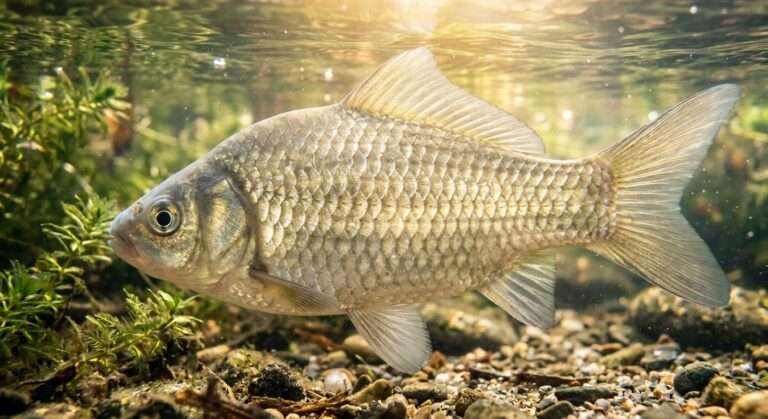
- Carp: Cruising in shallow bays and weed beds, carp use their keen sense of smell and lateral line system to detect human presence. Heavy footsteps on the bank or bright terminal tackle can clear a feeding area in seconds.
- Sturgeon: Highly sensitive bottom feeders that rely heavily on their barbels and sensory pores. Unnatural chemical scents or sudden metal vibrations from heavy sinkers will cause them to leave the feeding zone.
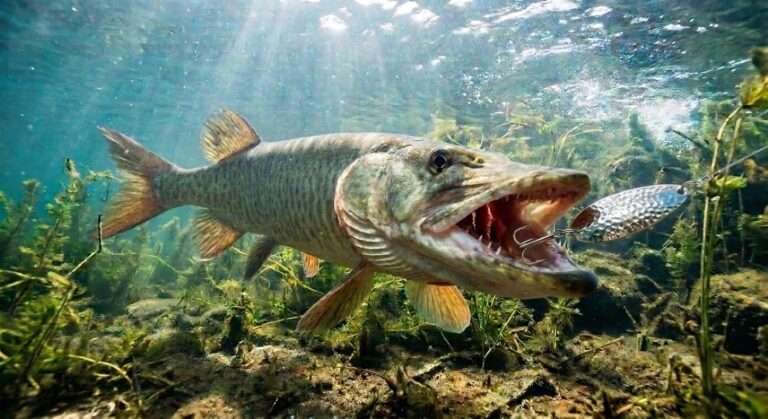
- Large Clear-Water Pike: While aggressive predators, large educated pike in clear waters are notoriously sharp-eyed and will abort a chase if they spot line visibility, metallic glare, or heavy shadow profiles.