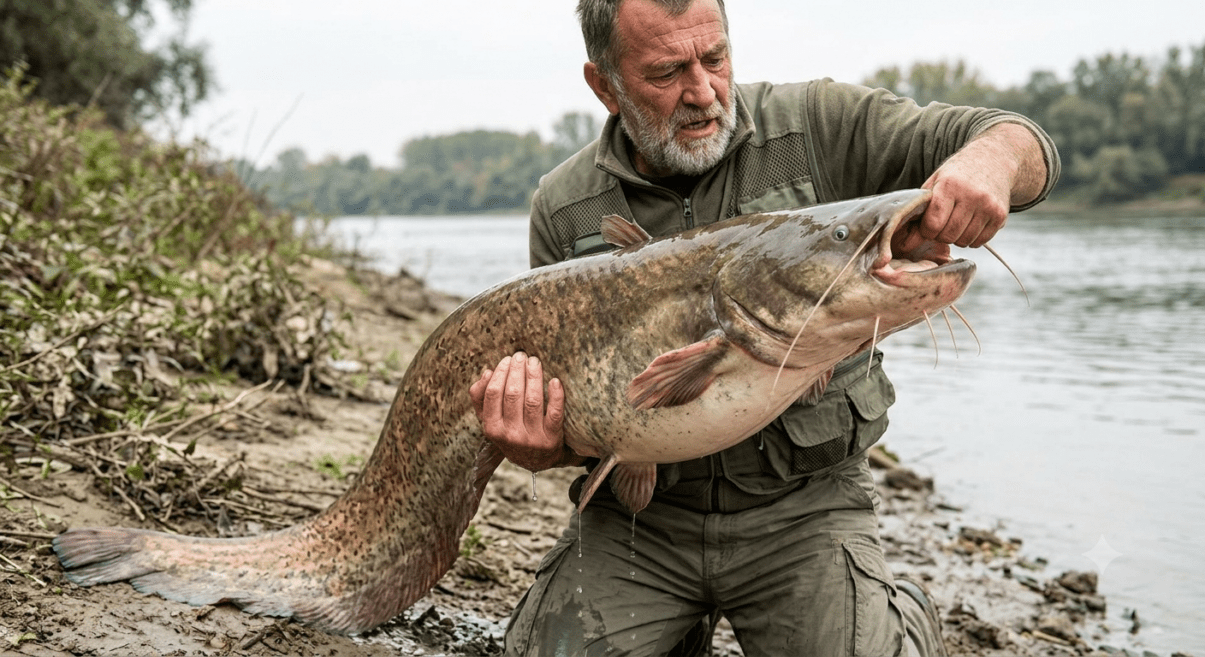
Bullhead Catfish Guide: Origin, Giant Growth, and Habitats (The Best Ultimate guide 2026)
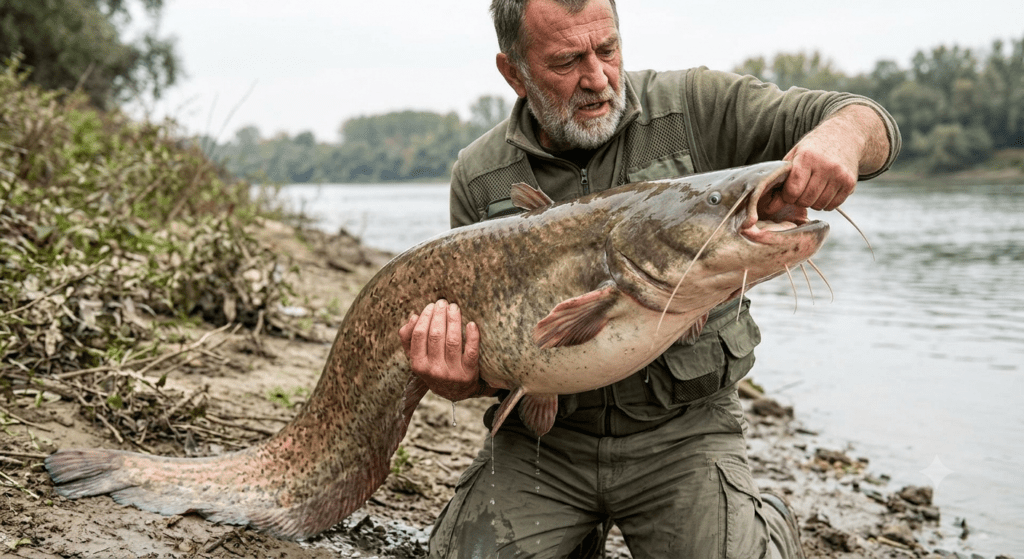
The Bullhead Catfish stands as one of the most resilient, adaptable, and intriguing freshwater predators across North America and beyond. Known for its broad head, sharp pectoral spines, and an uncanny ability to survive in environments where other fish species choke, the Bullhead Catfish has carved out a unique place in angling culture. Whether you are targeting the Black, Brown, or Yellow variant, understanding the origins and behavioral traits of the Bullhead Catfish is the first step toward mastering the pursuit of this hard-fighting bottom dweller.
For decades, anglers have passed down stories of unusually large specimens pulled from murky oxbows, heavily vegetated ponds, and major river systems. While many casual fishermen mistake small specimens for juvenile Channel Catfish or Flatheads, a fully matured Bullhead Catfish possesses distinct physical attributes and habits that set it apart. In this comprehensive guide, we examine the biological history, aggressive feeding habits, habitat preferences, and targeted tactics necessary to locate and catch these remarkable fish.
Origins and Evolution of the Bullhead Catfish
The origin story of the Bullhead Catfish is deeply rooted in the central and eastern freshwater systems of North America. Belonging to the genus Ameiurus within the family Ictaluridae, these fish evolved over millennia in slow-moving rivers, swamps, and shallow lakes. Their evolutionary biology was shaped by environments prone to extreme temperature shifts, seasonal drought, and low oxygen levels, forcing them to develop extraordinary physical adaptations.
Anatomy Behind the Massive Head and Whisker System
One of the most striking physical features of the Bullhead Catfish is its disproportionately wide, flat head equipped with exceptionally strong jaw muscles. This structural build is not merely cosmetic; it allows the fish to exert immense bite force relative to its body size, enabling it to crack open hard-shelled invertebrates and firmly hold onto struggling live prey. The broad mouth opening acts like a vacuum when feeding along the bottom, sucking in sediment, debris, and prey items indiscriminately.
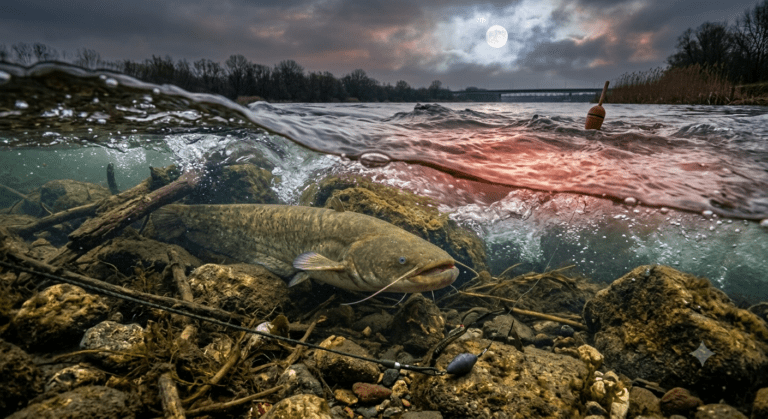
Surrounding the mouth are four pairs of sensitive barbels, commonly referred to as whiskers. These barbels are packed with olfactory receptors and taste buds, allowing the Bullhead Catfish to navigate and hunt in total darkness or zero-visibility mud. Rather than relying on visual cues, the fish uses its highly developed chemical sensing capabilities to pinpoint food sources from long distances, making it one of the most efficient night-time predators in freshwater ecosystems.
How the Bullhead Catfish Attains Giant Proportions
While the average specimen caught by anglers measures between 8 and 14 inches, specific environmental conditions allow certain individuals to achieve giant, trophy-level proportions. Growth rates in the Bullhead Catfish population are heavily influenced by water temperature, forage availability, and competition density. In nutrient-rich waters with an abundance of high-protein forage, a long growing season, and reduced competition, specimens can far exceed standard size charts.
The physical transformation of a trophy Bullhead Catfish involves a massive expansion of the head, thick muscular shoulders, and an enlarged abdominal cavity. As these fish age, their metabolism adapts to consuming larger prey items, shifting from small insects to sunfish, crawfish, and small mammals or amphibians that fall into the water. This dietary shift accelerates bulk gain, transforming a once-modest panfish into a thick-bodied predator capable of tipping scales at state-record weights.
Invasive Nature and Extreme Dietary Habits of the Bullhead Catfish
The Bullhead Catfish is widely recognized as an apex scavenger and opportunistic predator. Its appetite is virtually boundless, driving it to consume almost any organic matter it encounters along the waterbed. This unyielding urge to feed, combined with an incredible tolerance for poor water quality, has enabled the species to colonize new territories rapidly, sometimes becoming an invasive presence in non-native waters.
The Insatiable Diet of the Bullhead Catfish
The feeding regimen of the Bullhead Catfish encompasses a vast spectrum of live organisms, decaying matter, and aquatic vegetation. In native and introduced ecosystems, their primary diet consists of aquatic insect larvae, crayfish, leeches, freshwater snails, and small forage fish such as shad and bluegill. However, their opportunistic nature means they rarely pass up dead fish, offal, or terrestrial food blown into the water after heavy rains.
Because their sensory system relies heavily on smell and taste, the Bullhead Catfish is drawn to high-protein, strong-scented organic material. They actively root through soft mud substrates, using their sensitive barbels to detect prey buried beneath several inches of silt. This thorough foraging style ensures that very little edible material escapes their notice, allowing them to maintain high body mass even in resource-scarce environments.
Ecological Impact and Water Tolerance
Few freshwater species can match the extreme environmental tolerance of the Bullhead Catfish. They are uniquely capable of surviving in warm, stagnant waters with dissolved oxygen levels that would prove fatal to trout, bass, or pike. During severe droughts or winter freezes, Bullheads can burrow into thick bottom mud and enter a state of reduced metabolic activity, surviving until favorable conditions return.
When introduced into non-native lakes and river systems, this resilience allows the Bullhead Catfish to outcompete indigenous fish species for food and territory. Their tendency to consume the eggs and fry of target sportfish, combined with their rapid reproduction rate, can disrupt local ecological balances. Consequently, wildlife management agencies in several regions classify them as invasive, encouraging anglers to harvest them without limits.
Global Habitats: Rivers, Lakes, and Reservoirs of the Bullhead Catfish
Understanding where the Bullhead Catfish thrives requires looking closely at its preferred aquatic environments across North America and international waterways where it has been introduced over the last century.
North American Distribution in Major River Basins
In North America, the native range of the Bullhead Catfish covers a vast territory stretching from the St. Lawrence River and Great Lakes basins down through the Mississippi River system to the Gulf Coast. They are abundant throughout the slow-flowing tributaries, oxbow lakes, and backwaters of major river networks including the Ohio, Missouri, and Arkansas rivers. In these moving waters, they seek out deep pools, undercut banks, and timber-laden eddies where current speeds are minimal.
In northern states like Minnesota, Wisconsin, and Michigan, Bullhead Catfish populate thousands of natural glacial lakes and shallow prairie marshes. Here, they occupy soft-bottom bays rich in submersed vegetation. Further south, sprawling floodplains and muddy impoundments provide ideal thermal conditions and abundant forage, producing dense populations of thick-bodied fish.
International Adaptation and Waterway Expansion
Beyond its native continent, the Bullhead Catfish has successfully established self-sustaining populations in Europe, Asia, and parts of South America. Introduced primarily through aquaculture releases and intentional stocking during the 20th century, the species quickly adapted to European river basins such as the Danube, Rhine, and Po systems. Their ability to tolerate high water temperatures and low oxygen has allowed them to colonize irrigation canals, agricultural drainage ditches, and heavily silted ponds across Southern and Eastern Europe.
In these new environments, the absence of natural predators has often allowed Bullhead Catfish numbers to multiply exponentially. Anglers in European waters frequently target them using traditional bottom-rigging techniques, treating them both as an abundant panfish option and as an aggressive target for light-tackle sport fishing.
Essential Fishing Gear and Tackle for Bullhead Catfish
Mastering the art of capturing Bullhead Catfish requires an understanding of the specific gear, rod actions, line choices, and bottom terminal rigs designed to present heavy baits effectively along muddy lake bottoms and river beds. While these fish are aggressive feeders, selecting the proper tackle ensures maximum sensitivity for detecting light bites and sufficient backbone for hauling heavy fish out of dense submerged vegetation and timber clutter.
Selecting the Ideal Rod and Reel Combinations
When assembling the optimal rod and reel combination for targeting Bullhead Catfish, anglers must balance strength, tip sensitivity, and power. Medium-light to medium power spinning rods ranging from 6.5 to 7.5 feet in length offer the perfect compromise. The flexible tip allows anglers to visually register subtle nibbles as a Bullhead Catfish tests the bait, while the solid backbone provides the necessary leverage to drive home strong hooksets through tough, bony jaws.
Pairing these rods with a 2500 to 4000 size spinning reel equipped with a smooth drag system guarantees efficient line retrieval and reliable performance during hard runs. Baitcasting setups are equally effective, particularly when fishing heavy river currents or throwing heavier lead weights. A quality baitcasting reel featuring a line clicker function provides an audible warning when a heavy Bullhead Catfish picks up the bait and begins moving away, allowing anglers to prepare before setting the hook.
Line Types and Terminal Rig Configurations
Line selection for Bullhead Catfish fishing depends largely on bottom structure, water clarity, and target size. Monofilament line in the 8 to 14-pound test range remains a top choice due to its high abrasion resistance, moderate stretch, and ease of knot tying. The natural shock-absorbing qualities of monofilament help prevent pulled hooks during intense head shakes near the landing net.
Braided mainlines ranging from 15 to 30-pound test offer superior sensitivity and zero stretch, making them exceptional for detecting slight bites at extreme casting distances or deep waters. When using braided mainlines, tying a 2 to 3-foot leader of fluorocarbon or heavy monofilament protects against sharp rocks, zebra mussels, and the abrasive, sandpaper-like teeth inside the broad mouth of a trophy Bullhead Catfish.
The Classic Slip-Sinker Rig for Bottom Feeding
The standard slip-sinker rig, often referred to as the Carolina rig, is arguably the most effective rig for targeting Bullhead Catfish across all freshwater environments. This rig consists of an egg sinker thread onto the main line, followed by a plastic bead to protect the knot, and tied to a barrel swivel. A 12 to 24-inch leader is then attached to the swivel, terminating in a sharp circle or octopus hook.
The primary advantage of the slip-sinker rig lies in its free-sliding design. When a Bullhead Catfish picks up the scented bait, the line slides freely through the weight without alerting the fish to resistance. This allows the catfish to fully engulf the bait and hook, dramatically increasing hookup ratios compared to fixed weight rigs that create tension upon initial contact.
Three-Way Swivel Rigs for Current and Soft Mud
In rivers with moderate current or lakes characterized by deep, silty mud bottoms, a three-way swivel rig keeps the bait elevated slightly above the soft sediment where it remains highly visible and accessible. This setup features a three-way swivel tied to the main line, with a short dropline holding a bell sinker and a longer leader holding the hooked bait.
In soft mud, the weight sinks into the silt while the bait hovers several inches above the bottom layer. In flowing river currents, the three-way rig prevents the bait from spinning excessively and tangling around the main line, delivering a natural drift presentation directly into the feeding lanes of resting Bullhead Catfish.
Best Baits and Presentation Strategies for Bullhead Catfish
The olfactory and taste sensory organs of the Bullhead Catfish are among the most advanced in the animal kingdom, allowing them to detect microscopic chemical scents dispersed across vast distances. Choosing high-protein, strongly scented baits is the cornerstone of successful angling trips targeting these bottom predators.
Natural Live and Fresh Cut Baits
Natural live baits, including heavy nightcrawlers, live minnows, small sunfish, and crayfish, represent a major component of the native diet of the Bullhead Catfish. Nightcrawlers injected with air or hooked in thick clusters release a steady stream of fluids into the water column, attracting feeding fish from downstream or deep cover. Threading multiple worms onto a single hook creates an enticing, wriggling ball that Bullhead Catfish find irresistible.
Fresh cut bait made from oily baitfish such as shad, herring, suckers, or bluegill offers another premier choice. As cut bait settles onto the bottom, natural oils seep out, creating a concentrated scent trail that guides nocturnal feeders straight to the hook. Oily fillets with skin intact hold firmly on the hook, resisting small panfish nibbles until a large Bullhead Catfish arrives to swallow the bait whole.
Prepared Stink Baits, Doughs, and Organic Scents
Commercial prepared stink baits, dip pastes, and homemade dough formulations cater specifically to the chemical receptors of the Bullhead Catfish. These baits typically feature aged cheese, fermented fish meal, blood compounds, garlic additives, and animal fats combined into a sticky paste applied to specialized dip worms or sponge hooks.
As water flows past the stink bait, organic scent molecules dissolve, creating a potent plume that travels long distances down current. Anglers targeting heavily pressured waters or warm summer mudflats frequently rely on prepared baits to trigger aggressive feeding responses from reluctant, oversized Bullhead Catfish hiding in deep cover.
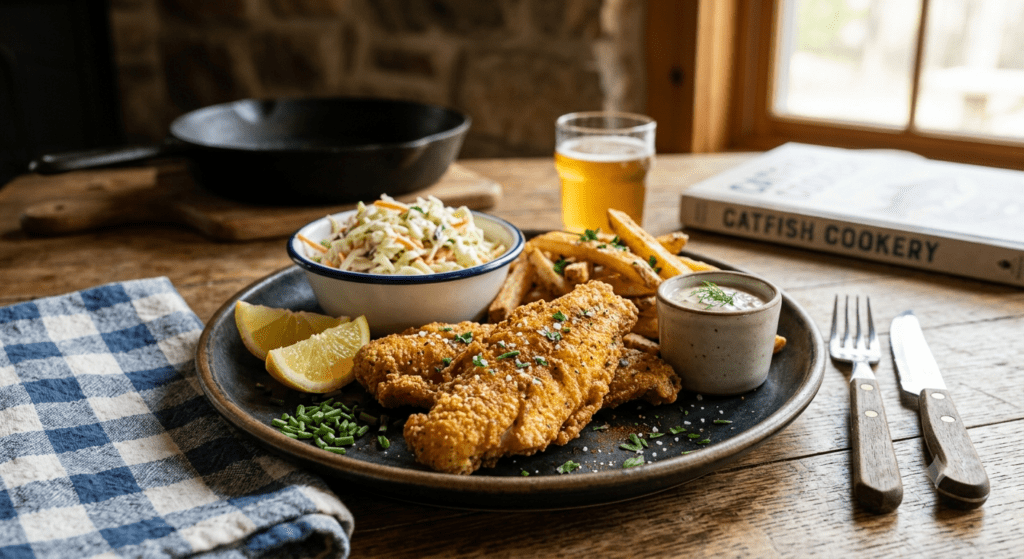
Culinary Value, Preparation, and Meat Quality of Bullhead Catfish
Beyond their value as a hard-fighting sportfish, Bullhead Catfish are highly prized by traditional outdoor enthusiasts for their rich, firm, and flavorful white meat. Proper handling, field care, and cleaning techniques are essential to maximizing the culinary quality of harvested fish.
Field Handling, Bleeding, and Filleting Techniques
Preserving the flavor profile of harvested Bullhead Catfish begins immediately upon capture. Placing fish into a well-oxygenated livewell or on ice prevents flesh degradation and eliminates muddy off-flavors sometimes associated with fish taken from warm, shallow waters. Bleeding the fish by cutting the gill arches before cleaning yields clean, pure white fillets free from excess blood lines.
Skinned fillets are the standard culinary yield for Bullhead Catfish. Using heavy skinning pliers, the tough outer skin is removed in sections, starting from the head down toward the tail. Once skinned, a sharp filleting knife slices clean lateral slabs along the backbone, resulting in thick, boneless portions ready for seasoning, frying, or smoking.
Traditional Deep-Frying and Pan-Searing Recipes
The high fat content and firm texture of Bullhead Catfish make it exceptionally versatile in the kitchen. The most iconic preparation involves coating fresh fillets in a seasoned yellow cornmeal dredge infused with paprika, black pepper, garlic powder, and cayenne pepper, then deep-frying them in hot oil at 375°F (190°C) until golden brown and crispy.
Pan-searing fillets in a cast-iron skillet with blackening spices and butter delivers a savory alternative that highlights the natural sweetness of the meat. Paired with hushpuppies, coleslaw, and fresh lemon wedges, cooked Bullhead Catfish remains a classic fixture of North American outdoor shore lunches and traditional fish fries.
Angler Insights and Forum Wisdom on Targeting Bullhead Catfish
Online angling communities, regional fishing forums, and experienced catfish guide discussions yield a treasure trove of practical advice, hidden tricks, and specialized insights for targeting trophy Bullhead Catfish.
Targeting Thermal Refuges During Early Spring Floods
Experienced forum contributors frequently emphasize the tactical advantage of targeting shallow, muddy mudflats and flooded grassy banks during early spring high-water events. As snowmelt and spring rains warm the shallow margins of lakes and river oxbows faster than main river channels, Bullhead Catfish migrate into warm water zones in massive schools to feed aggressively on washed-in terrestrial insects and earthworms.
Casting simple split-shot rigs baited with nightcrawlers directly into two feet of flooded grass often results in fast-paced action. Anglers note that spring warming trends trigger some of the year’s heaviest feeding frenzies, making this window the prime season for landing heavy female Bullhead Catfish full of eggs before spawning begins.
Utilizing Scent Enhancers and Garlic Dips on Cold Water Days
During late autumn and early winter when water temperatures drop below 50°F (10°C), the metabolism of the Bullhead Catfish slows significantly, making them reluctant to chase active prey. Forum veterans recommend adding concentrated garlic oil or amino acid scent attractants directly to cut baits and nightcrawlers during these sluggish periods.
Garlic scent compounds penetrate cold water effectively, stimulating sensory nerves and encouraging slow-moving fish to investigate the offering. Allowing the bait to sit undisturbed on the bottom for extended intervals gives sluggish winter Bullhead Catfish ample time to locate the scented presentation and engulf the hook.
Night Fishing Tactics Around Submerged Timber and Docks
Veteran catfishermen universally agree that night fishing yields the largest Bullhead Catfish specimens. As sun intensity fades, heavy fish leave deep refuge holes and move into shallow waters around wooden dock pilings, fallen timber, and bridge abutments to hunt for panfish and crawfish.
Using light sticks attached to rod tips, illuminated floats, or bite alarm systems allows night anglers to detect delicate bites without spooking fish with bright headlamps. Presenting live minnows or fresh cut bluegill within inches of wooden structure often triggers immediate, hard strikes from dominant Bullhead Catfish guarding feeding territories.
The Importance of Using Heavy-Duty Hook Extractor Tools
A recurring topic on fishing forums revolves around the anatomical challenge of unhooking Bullhead Catfish. Because these fish possess wide, bony mouths and frequently swallow baits deeply into their throat, using long-nose pliers, specialized hook disgorgers, or surgical hemostats is mandatory for safe handling.
Attempting to remove deeply embedded hooks with bare fingers risks injury from the sharp, locking pectoral and dorsal spines that carry mild toxins capable of causing severe pain and swelling. Keeping a reliable hook extractor and lip gripper close at hand ensures safe fish handling, smooth release of non-retained catches, and protection for the angler.
Chumming Mudflats with Sour Corn and Canned Dog Food
Seasoned forum members hunting for giant Bullhead Catfish often utilize chumming strategies to concentrate fish into specific target zones prior to fishing sessions. Tossing handfuls of fermented sour corn, crushed chicken liver, or canned dog food into shallow mudflats creates a localized feeding frenzy that draws catfish from long distances.
Once a chum line is established, placing a baited hook directly in the center of the scented area produces rapid, back-to-back bites. This method proves particularly effective on large bodies of water where locating scattered Bullhead Catfish populations can otherwise consume valuable fishing time.
Upgrading to Circle Hooks to Prevent Deep Hooking
To reduce mortality rates for catch-and-release fishing and prevent fish from swallowing hooks into their gullet, experienced catfish anglers strongly advocate replacing standard J-hooks with wide-gap inline circle hooks in sizes 1/0 to 3/0.
Circle hooks are designed to slide out of the fish’s throat and rotate into the corner of the mouth as line tension increases. When a Bullhead Catfish picks up a bait rigged on a circle hook, the angler simply reels steadily without executing a hard hookset, ensuring a clean, lip-hooked catch that is easy to release unharmed.
Locating Deep Holes and Creek Mouths During Summer Heat
During the peak heat of mid-summer, surface water temperatures rise dramatically, driving larger Bullhead Catfish out of warm shallows and into deeper, oxygen-rich waters. Forum analysis reveals that deep creek bends, underwater channels, spring-fed holes, and main lake drop-offs host heavy concentrations of resting fish during daytime hours.
Using portable depth finders to identify depth contours and drop-offs helps anglers anchor directly above these deep holding spots. Dropping three-way swivel rigs or heavy slip-sinker setups with fresh cut bait into deep holes allows anglers to tap into productive fishing action even under a blazing summer sun.